

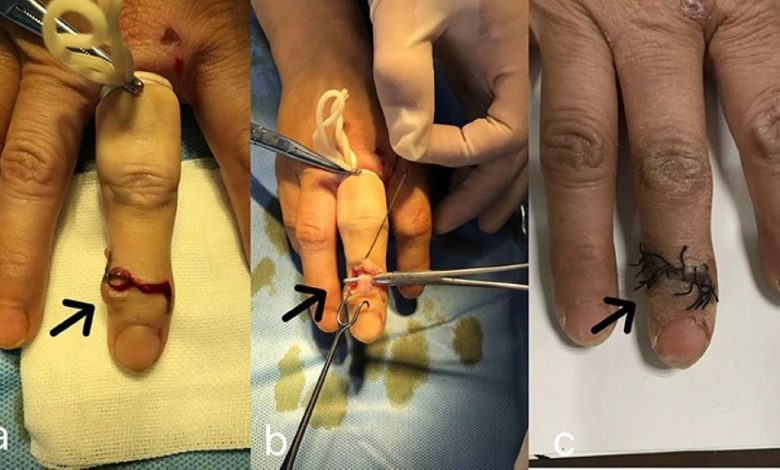
Discovering a small bump on your finger can be concerning. Many people experience cysts on their hands and fingers, which often require surgical removal for complete treatment. Understanding the recovery process helps patients prepare for what lies ahead after surgery. The team at Anxiety Fighters Guide recognizes that medical procedures can create stress and worry for patients and their families.
Finger cysts come in different types, each requiring specific treatment approaches. However, proper identification is crucial before any surgical intervention takes place. The distinction between dermoid cyst vs epidermoid cyst finger locations affects both surgical technique and recovery expectations. Your surgeon will typically perform imaging studies or physical examination to determine the exact type before proceeding with removal.
Recovery from finger cyst surgery involves several important phases. Additionally, following proper post-operative care instructions significantly impacts healing outcomes. Therefore, patients should understand what to expect during each stage of the recovery process.
Understanding Dermoid Cyst Surgery on Fingers
Dermoid cysts on fingers are benign growths that contain various tissue types. These cysts develop from embryonic cells that become trapped during fetal development. Surgeons typically recommend removal because these cysts rarely resolve on their own.
The surgical procedure involves making a small incision over the cyst location. Furthermore, the surgeon carefully removes the entire cyst wall to prevent recurrence. Local anesthesia is commonly used for finger cyst removal procedures. However, some cases may require regional nerve blocks for patient comfort.
Most finger dermoid cyst surgeries are outpatient procedures. Consequently, patients can return home the same day after a brief observation period. The entire procedure usually takes between 30 to 60 minutes, depending on cyst size and location.
Immediate Post-Surgery Care Instructions
The first 24 to 48 hours after surgery are critical for proper healing. Your finger will be bandaged with a protective dressing that should remain dry and clean. Therefore, avoiding water exposure during this initial period is essential for preventing infection.
Pain management typically involves over-the-counter medications like acetaminophen or ibuprofen. Additionally, keeping your hand elevated above heart level helps reduce swelling and discomfort. Ice packs applied for 15-20 minutes every few hours can also provide relief during the first few days.
Wound care instructions from your surgeon should be followed precisely. However, most patients can expect to have their first dressing change within 48 to 72 hours post-surgery. Your healthcare provider will demonstrate proper wound cleaning techniques during this visit.
Managing Pain and Swelling During Recovery
Swelling around the surgical site is completely normal and expected. The swelling typically peaks within the first 3 to 5 days after surgery. Furthermore, the affected finger may appear larger than usual during this time period.
Effective pain management strategies include taking prescribed medications as directed. Additionally, maintaining consistent medication schedules helps prevent pain from becoming severe. However, if pain increases significantly or doesn’t improve after several days, contact your surgeon immediately.
Movement restrictions may apply during the early recovery phase. Therefore, avoiding heavy lifting or gripping activities protects the healing tissues. Gentle finger movements as approved by your surgeon can help maintain flexibility without compromising healing.
Wound Healing Timeline and Expectations
The healing process occurs in predictable stages over several weeks. Initial wound closure typically happens within 7 to 14 days after surgery. However, complete tissue healing continues for several weeks beyond visible wound closure.
Suture removal usually occurs between 7 to 14 days post-surgery. Additionally, your surgeon will assess healing progress during this appointment. Therefore, attending all scheduled follow-up visits is crucial for monitoring recovery.
Scar formation is a natural part of the healing process. Furthermore, scars continue to mature and fade for up to one year after surgery. Proper wound care and sun protection help minimize scar appearance over time.
According to the Mayo Clinic, most patients experience excellent outcomes after cyst removal surgery when following post-operative instructions carefully.
Activity Restrictions and Gradual Return to Normal Function
Activity modifications protect the healing surgical site from injury. Heavy lifting restrictions typically last 2 to 4 weeks after surgery. Additionally, grip-intensive activities should be avoided during early recovery phases.
Gradual activity progression helps restore normal finger function safely. However, returning to activities too quickly can compromise healing or cause complications. Therefore, following your surgeon’s specific activity guidelines is essential for optimal recovery.
Work restrictions depend on your occupation and hand use requirements. Office workers may return to modified duties within a few days. Furthermore, manual laborers typically require longer recovery periods before resuming full work activities.
Signs of Complications to Watch For
While complications are rare, recognizing warning signs is important. Increasing pain, redness, or swelling may indicate infection or other problems. Additionally, fever, red streaking, or pus discharge requires immediate medical attention.
Unusual sensations like numbness or tingling should be reported to your surgeon. Furthermore, any changes in finger movement or function warrant evaluation. Therefore, maintaining open communication with your healthcare team throughout recovery is vital.
Emergency situations requiring immediate care include severe bleeding or signs of serious infection. However, most post-operative concerns can be addressed during regular business hours by contacting your surgeon’s office.
Long-term Recovery and Prevention
Complete recovery from finger dermoid cyst surgery typically takes 6 to 8 weeks. Additionally, most patients regain full finger function without long-term limitations. Therefore, following post-operative instructions leads to excellent outcomes in most cases.
Preventing future cysts involves understanding that dermoid cysts are developmental abnormalities. Furthermore, these cysts cannot be prevented through lifestyle changes or preventive measures. However, early evaluation of new finger lumps helps ensure prompt appropriate treatment.
Regular hand hygiene and injury prevention protect overall finger health. Additionally, reporting new growths or changes to your healthcare provider enables early intervention when necessary.
Frequently Asked Questions
How long does it take to recover from dermoid cyst removal on finger? Most patients experience initial healing within 2 weeks, with complete recovery taking 6 to 8 weeks. However, individual healing rates vary based on cyst size, location, and patient factors.
Can I use my hand normally after dermoid cyst surgery? Light activities can usually resume within a few days, but full activity typically requires 4 to 6 weeks. Your surgeon will provide specific guidelines based on your procedure and healing progress.
Will the cyst come back after surgical removal? Recurrence is very rare when the entire cyst wall is removed during surgery. Complete surgical excision typically provides permanent resolution of the problem.
What are the risks of dermoid cyst removal surgery? Risks include infection, bleeding, scarring, and temporary numbness. However, serious complications are uncommon when performed by experienced surgeons using proper techniques.
When should I contact my surgeon after the procedure? Contact your surgeon for increasing pain, signs of infection, unusual discharge, or any concerns about healing. Additionally, attend all scheduled follow-up appointments for proper monitoring.
Conclusion
Dermoid cyst finger surgical removal recovery requires patience and proper care for optimal outcomes. Following post-operative instructions, managing pain appropriately, and recognizing potential complications ensures successful healing. Most patients experience excellent results with minimal long-term effects when recovery guidelines are followed carefully. Therefore, working closely with your healthcare team throughout the recovery process provides the best chance for complete healing and return to normal finger function.
Read More:
Importance of professional development in the healthcare sector