Have you ever watched your beautiful pothos vine cascade down a bookshelf and wondered how you could multiply this stunning houseplant? What if I told you that single pothos cutting sitting in water on your windowsill could become dozens of thriving plants within just a few months? Pothos propagation isn’t just possible – it’s remarkably simple, incredibly rewarding, and one of the most cost-effective ways to expand your indoor jungle while sharing plant joy with friends and family.
Understanding Pothos Plants: The Foundation of Successful Propagation
Before diving into propagation techniques, understanding your pothos plant biology makes the difference between propagation success and failure. Pothos (Epipremnum aureum), commonly known as devil’s ivy or golden pothos, belongs to the Araceae family and naturally grows as an epiphyte in tropical forests. This climbing vine has developed remarkable survival mechanisms, including the ability to generate new root systems from virtually any point along its stem.
The secret lies in aerial roots and nodes – those small bumps you see along pothos stems. Each node contains dormant root tissue that activates when exposed to moisture and the right conditions. This evolutionary adaptation makes pothos one of the easiest houseplants to propagate, perfect for both beginner gardeners and experienced plant enthusiasts.
Water Propagation: The Most Popular Method for Beginners
Water propagation remains the go-to method for most plant parents, and for good reason. This technique offers visual satisfaction as you watch roots develop, requires minimal equipment, and boasts high success rates when done correctly.
Step-by-Step Water Propagation Process
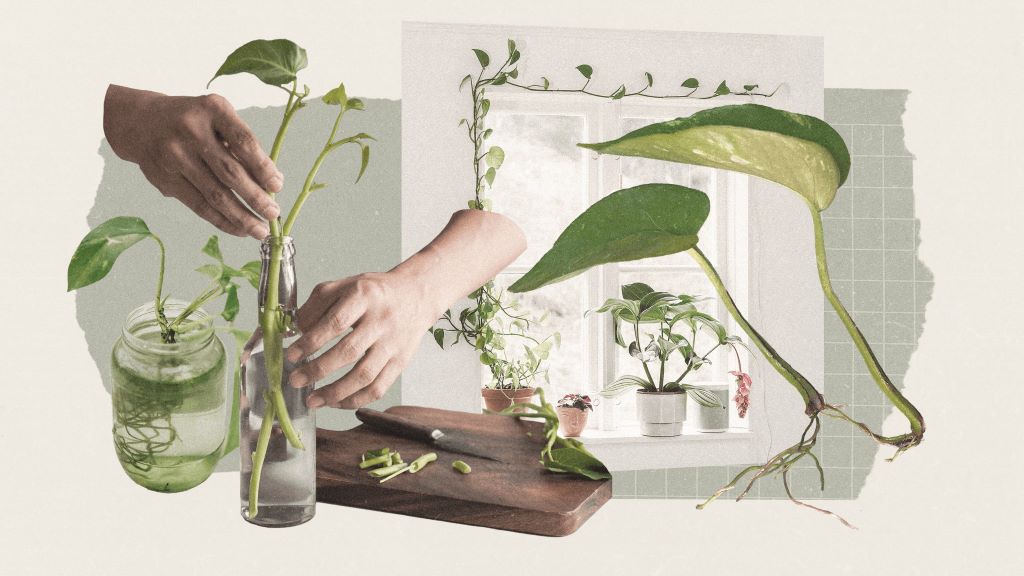
Start by selecting healthy vine sections from your mother plant. Look for stems containing at least two to three nodes – these appear as small bumps or aerial roots along the vine. Using clean, sharp scissors or pruning shears, cut just below a node, ensuring each cutting measures four to six inches long and includes multiple leaves.
Remove any leaves that would sit below the waterline to prevent bacterial growth and root rot. Place your cuttings in a clean glass jar filled with room temperature water, ensuring nodes remain submerged while leaves stay above the surface. Position the jar in bright, indirect light – direct sunlight can stress new cuttings and promote algae growth.
Change the water every three to five days to maintain oxygen levels and prevent bacterial buildup. Within one to two weeks, you’ll notice small white roots emerging from the nodes. Once roots reach two to three inches long, typically after four to six weeks, your cuttings are ready for transplanting into soil.
Optimizing Water Propagation Success
Several factors significantly impact water propagation success rates. Water quality matters more than many realize – filtered or distilled water often produces better results than tap water, especially in areas with high chlorine content or mineral deposits. If using tap water, let it sit overnight before use to allow chlorine to dissipate.
Temperature consistency accelerates root development. Maintain water temperature between 65-75°F (18-24°C) for optimal results. Cooler temperatures slow root growth, while excessive heat can stress cuttings and promote bacterial growth.
Soil Propagation: Direct Planting for Faster Establishment
While water propagation offers visual appeal, direct soil propagation often produces stronger, more adaptable plants. This method eliminates transplant shock and allows roots to develop in their permanent growing medium from the start.
Soil Propagation Technique
Prepare a well-draining potting mix using equal parts peat moss, perlite, and regular potting soil. This combination provides adequate drainage while maintaining necessary moisture retention. Fill small pots or propagation trays with this mixture, leaving about half an inch from the rim.
Take cuttings using the same node-selection process described for water propagation. Dip the cut end in rooting hormone (optional but helpful for faster establishment) before inserting into the prepared soil. Plant deep enough to cover at least one node, gently firming soil around the cutting.
Maintain consistent soil moisture without waterlogging – the growing medium should feel damp but not soggy. Cover cuttings with a clear plastic bag or place in a humidity dome to maintain optimal moisture levels during the critical first few weeks.

Creating Ideal Soil Propagation Conditions
Successful soil propagation requires attention to environmental factors. Maintain humidity levels between 50-70% during the rooting period. If your home’s humidity runs low, especially during winter months, consider using a humidity tray or room humidifier near your propagation setup.
Bottom heat accelerates root development significantly. A seedling heat mat set to 70-75°F (21-24°C) can reduce rooting time by up to 50%. Place the heat mat under propagation containers, monitoring soil temperature to prevent overheating.
Advanced Propagation Methods for Experienced Growers
Air Layering Technique
Air layering produces larger, more established plants but requires patience and attention to detail. This method works particularly well for creating fuller plants or propagating mature, woody stems that might struggle with traditional cutting methods.
Identify a healthy node on your pothos vine, preferably one already showing aerial roots. Wrap damp sphagnum moss around the node area, securing with plastic wrap and twist ties to create a sealed environment. Keep the moss consistently moist by injecting water through the plastic wrap weekly.
Within four to eight weeks, substantial roots will develop within the moss ball. Once root growth appears vigorous, cut below the rooted section and plant directly into soil. This method produces plants with established root systems that transplant with minimal shock.
Division Method for Mature Plants
Mature pothos plants often develop multiple growing points, making division an effective propagation strategy. This works best during spring repotting when plants show active growth.
Carefully remove the entire plant from its container and gently separate the root ball into sections, ensuring each division has both roots and shoots. Plant each section in appropriate-sized containers using fresh potting mix. This method instantly creates multiple full-sized plants but should only be attempted on healthy, established specimens.
Troubleshooting Common Propagation Problems
Even with proper technique, propagation challenges occasionally arise. Understanding common issues and their solutions prevents frustration and improves success rates.
Root rot, characterized by black, mushy roots and foul odor, typically results from poor water quality, infrequent water changes, or bacterial contamination. Address this by immediately changing to fresh, clean water, removing affected portions, and ensuring proper sanitation of containers.
Slow or absent root development often indicates insufficient light, poor water quality, or cuttings taken from unhealthy portions of the parent plant. Move propagation containers to brighter locations (avoiding direct sun), upgrade water quality, and select cuttings from vigorous, healthy vine sections.
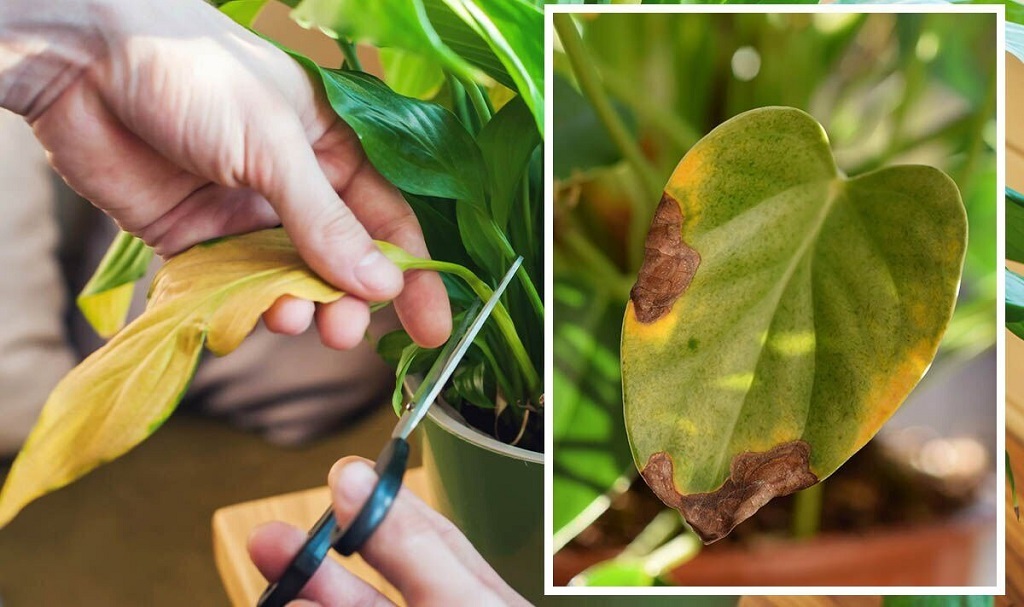
Leaf yellowing during propagation usually signals normal stress response as the cutting redirects energy toward root development. However, excessive yellowing or leaf drop might indicate overwatering, insufficient light, or temperature stress.
Caring for Newly Propagated Pothos Plants
Successfully rooted cuttings require graduated care as they establish in their new environment. Newly transplanted water-propagated cuttings need extra attention during the soil adjustment period. Water thoroughly after transplanting, then allow soil to dry slightly between waterings as the plant adapts.
Provide bright, indirect light for the first few weeks, gradually introducing more light as plants show new growth. Avoid fertilizing for the first month after transplanting – new plants need time to establish root systems before processing additional nutrients.
Monitor for signs of successful establishment including new leaf growth, firm root development when gently tugged, and healthy green coloration. Once these indicators appear, transition to regular pothos care including monthly fertilization during growing season and standard watering practices.
Maximizing Your Propagation Success Rate
Timing significantly impacts propagation success. Spring and early summer offer optimal conditions with increased daylight hours, warmer temperatures, and natural plant growth cycles. While propagation remains possible year-round indoors, expect slower results during winter months.
Sanitation cannot be overstated in its importance. Always use clean cutting tools, sanitized containers, and fresh water or soil. Bacterial contamination ranks among the leading causes of propagation failure and can quickly spread between cuttings.
Consider propagating multiple cuttings simultaneously to account for natural variation in success rates. Even experienced propagators expect some failures, so starting with several cuttings ensures successful outcomes while providing backup options.
Transform Your Space With Propagated Pothos
Mastering pothos propagation opens endless possibilities for enhancing your living space while sharing the joy of plants with others. Whether you choose water propagation for its visual appeal, soil propagation for stronger plants, or advanced techniques for unique challenges, success comes down to understanding basic plant biology, maintaining proper conditions, and exercising patience throughout the process.
The beauty of pothos propagation extends beyond creating new plants – it connects you more deeply with your existing houseplants while developing valuable gardening skills that transfer to other plant species. Each successfully propagated cutting represents not just a new plant, but growing confidence in your ability to nurture and multiply the green beauty in your home.
Related Topics:
Maximize Every Inch: Dallas Corner Cabinet Turntables & Storage Solutions That Transform Your Kitchen
Jacksonville Plant Troubleshooting – Humidity, Mold & Pests