
One of the fastest ways to identify an accurate baby thermometer is surprisingly simple: take three temperature readings within a few minutes under the same conditions. If the numbers vary significantly, the device may not be reliable. For parents, a difference of even one degree can mean the difference between monitoring a mild illness at home and seeking urgent medical care. Because infants cannot clearly communicate discomfort, an accurate temperature measurement becomes one of the most important health indicators available. Understanding how to verify thermometer performance helps ensure safer decisions, earlier detection of fever, and greater confidence during stressful moments.
What Does an Accurate Baby Thermometer Mean?
An accurate baby thermometer provides temperature readings that closely match the child’s actual body temperature with minimal variation between measurements.
Accuracy refers to how close a thermometer’s reading is to the true body temperature. A device may display numbers consistently, but if those numbers are incorrect, it lacks accuracy. For infants and newborns, even small temperature differences can influence healthcare decisions.
Most quality digital thermometers are designed to remain within approximately ±0.2°C (±0.4°F) of actual temperature when used correctly. However, user error, battery issues, improper placement, or device wear can reduce reliability over time.
Parents should remember that different thermometer types naturally produce different temperature ranges:
- Rectal thermometers typically provide the closest estimate of core body temperature.
- Forehead thermometers offer convenience and speed.
- Ear thermometers work well when positioned correctly.
- Oral thermometers are generally used for older children.
- Underarm thermometers are convenient but may be less precise.
How Can You Tell if Your Baby Thermometer Is Giving Correct Readings?
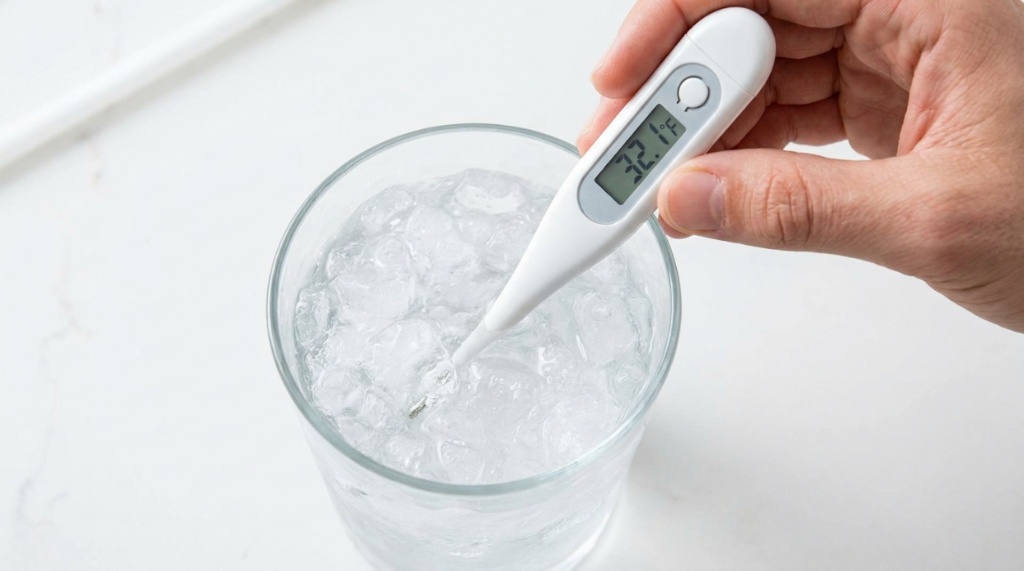
The easiest way to check thermometer accuracy is to compare repeated readings taken under identical conditions and watch for consistency.
Start by measuring your baby’s temperature three times in succession. Wait 30–60 seconds between readings and follow the manufacturer’s instructions carefully. A reliable thermometer should produce readings that remain very close together.
For example:
| Reading | Temperature |
|---|---|
| First Reading | 99.2°F |
| Second Reading | 99.3°F |
| Third Reading | 99.2°F |
This pattern suggests good consistency.
If readings fluctuate significantly—such as 98.6°F, 100.1°F, and 99.0°F—the thermometer may require troubleshooting or replacement.
Parents researching reliable devices can also review this comprehensive guide on choosing a dependable baby thermometer to understand which features contribute most to measurement accuracy.
Why Do Baby Thermometers Sometimes Show Incorrect Temperature Readings?
Incorrect readings often result from environmental factors, improper technique, weak batteries, or device malfunction rather than a manufacturing defect.
Several common issues can affect fever thermometer accuracy:
Improper Placement
A forehead scanner held too far away or an ear thermometer inserted at the wrong angle can produce misleading results.
Recent Activity
Bathing, crying intensely, breastfeeding, or being wrapped in heavy blankets can temporarily elevate skin temperature.
Environmental Temperature
Moving between air-conditioned and warm rooms may affect forehead temperature measurements.
Low Battery Power
Many digital thermometers become less reliable when batteries weaken.
Dirty Sensors
Dust, oils, lotion residue, or earwax can interfere with infrared sensors.
Device Aging
Electronic components may gradually lose calibration after years of use.
Understanding these variables helps parents avoid misinterpreting an infant temperature reading.
How Do You Test a Baby Thermometer at Home?
You can perform basic verification tests at home using consistency checks and controlled temperature comparisons.
Although professional calibration requires specialized equipment, parents can perform practical checks.
Method 1: Repeated Reading Test
- Take three consecutive measurements.
- Use the same location and technique.
- Compare results.
- Look for differences greater than 0.3°F–0.5°F.
Method 2: Compare with a Trusted Thermometer
If available, compare results against a newer medical-grade thermometer known for reliability.
Method 3: Stable Environment Test
- Leave the thermometer indoors for 30 minutes.
- Measure temperature repeatedly.
- Verify readings remain stable.
Method 4: Check Manufacturer Specifications
Review the instruction manual for stated accuracy ranges and calibration recommendations.
These tests cannot replace professional calibration but often reveal obvious performance issues.
Which Baby Thermometer Type Is the Most Accurate?
Rectal thermometers are generally considered the most accurate option for infants and newborns.
Pediatricians often recommend rectal temperature measurement for babies under three months because it closely reflects core body temperature.
| Thermometer Type | Accuracy Level | Best For |
|---|---|---|
| Rectal | Very High | Newborns and infants |
| Ear | High | Older babies and toddlers |
| Forehead | Moderate to High | Quick screening |
| Oral | High | Older children |
| Underarm | Moderate | Preliminary checks |
No thermometer is accurate without correct technique. Even the best device can produce inaccurate readings when used improperly.
What Is the Correct Way to Measure an Infant Temperature Reading?
Following the correct procedure is essential because measurement errors are often mistaken for thermometer problems.
forehead thermometers:
- Ensure the forehead is dry.
- Remove hats or head coverings.
- Wait several minutes after entering a different temperature environment.
- Follow scanning instructions exactly.
ear thermometers:
- Position the probe correctly.
- Use a clean sensor tip.
- Avoid measuring immediately after sleeping on one side.
rectal thermometers:
- Use lubrication.
- Insert only the recommended depth.
- Hold the baby securely.
- Clean thoroughly after use.
Consistent technique improves fever thermometer accuracy significantly.
Can Forehead Thermometers Be Trusted for Babies?
Yes, quality forehead thermometers can be reliable when used according to manufacturer instructions.
Infrared forehead thermometers have become popular because they provide fast, non-invasive measurements. Many hospitals and pediatric clinics use advanced infrared systems for screening purposes.
However, several factors affect performance:
- Sweat on the forehead
- Direct sunlight exposure
- Cold outdoor weather
- Improper scanning distance
- Hair covering the measurement area
For babies with suspected fever, healthcare providers may recommend confirming elevated readings with another measurement method if results appear unusual.
When Should You Replace Your Baby Thermometer?
A baby thermometer should be replaced when readings become inconsistent, physical damage occurs, or troubleshooting fails to restore reliability.
Warning signs include:
- Large differences between repeated measurements
- Cracked housing or damaged display
- Persistent error messages
- Battery compartment corrosion
- Sensor damage
- Failure to power on consistently
Most digital thermometers last several years with proper care. However, replacement is often the safest option when accuracy becomes questionable.
Compared with the potential consequences of missing a serious fever, replacing a doubtful thermometer is a small investment.
What Temperature Is Considered a Fever in Babies?
For most infants, a rectal temperature of 100.4°F (38°C) or higher is considered a fever.
Parents should always follow pediatric guidance because fever thresholds may vary slightly depending on the measurement method used.
Immediate medical attention is generally recommended for newborns younger than three months who develop a fever.
Additional symptoms requiring medical evaluation may include:
- Difficulty breathing
- Poor feeding
- Unusual sleepiness
- Persistent vomiting
- Signs of dehydration
- Seizures
An accurate baby thermometer plays a crucial role in identifying these situations promptly.
How Can You Maintain Thermometer Accuracy Over Time?
Regular cleaning, proper storage, battery replacement, and following manufacturer guidelines help maintain long-term accuracy.
Best practices include:
- Clean sensors after every use.
- Store in a protective case.
- Keep away from extreme temperatures.
- Replace batteries promptly.
- Avoid dropping the device.
- Read updated manufacturer instructions.
Consistent maintenance helps preserve measurement quality and extends device lifespan.
Conclusion: How Do You Ensure Your Baby Thermometer Remains Accurate?
The best way to ensure an accurate baby thermometer is providing reliable readings is through consistent testing, proper usage, regular maintenance, and prompt replacement when warning signs appear. Most inaccurate temperature readings stem from technique issues, environmental influences, or aging equipment rather than sudden device failure.
By understanding how different thermometer types work, checking consistency regularly, and following pediatric recommendations, parents can make better-informed decisions during illness. Reliable infant temperature reading data supports faster intervention, reduced anxiety, and improved healthcare communication.
If you’re evaluating new devices or upgrading an older thermometer, reviewing expert recommendations and trusted product comparisons can help you choose a solution designed for long-term accuracy and confidence.
Frequently Asked Questions About Baby Thermometer Accuracy
How accurate should a baby thermometer be?
A quality digital baby thermometer should generally measure within approximately ±0.2°C (±0.4°F) of actual body temperature when used correctly. Always follow manufacturer instructions for best results.
Why does my baby’s temperature change every time I measure it?
Small variations are normal. Significant differences may result from improper placement, movement, environmental changes, sweating, or a malfunctioning thermometer.
Can a low battery affect thermometer accuracy?
Yes. Weak batteries can cause erratic readings, display errors, slower response times, and inconsistent performance. Replacing batteries is often an effective first troubleshooting step.
Are forehead thermometers accurate for newborns?
Many quality forehead thermometers provide reliable readings when used properly. However, pediatricians often prefer rectal measurements for newborns because they more closely reflect core body temperature.
How often should I replace my baby thermometer?
There is no fixed replacement schedule. Replace the device if readings become inconsistent, physical damage occurs, sensor problems develop, or troubleshooting fails to resolve accuracy concerns.
What is considered a fever in an infant?
For most infants, a rectal temperature of 100.4°F (38°C) or higher indicates fever and may require medical evaluation depending on age and symptoms.
Can I calibrate a baby thermometer at home?
Most consumer thermometers cannot be fully calibrated at home. Parents can perform consistency tests and compare readings with trusted devices, but professional calibration requires specialized equipment.