Maintaining a beautiful lawn in Los Angeles requires more than just regular care; it demands a smart approach tailored to the region’s unique climate and water restrictions. Lawn maintenance for Los Angeles homes: watering & mowing are crucial factors that homeowners must master to achieve a healthy, green lawn while conserving water and respecting local regulations.
Los Angeles faces frequent droughts and strict water usage rules, making traditional lawn care methods less effective and often wasteful. According to the California Department of Water Resources, residential water use accounts for nearly 40% of urban water consumption, with lawns consuming a significant share. Therefore, optimizing watering schedules and mowing practices becomes essential for sustainability and lawn health.
The Science Behind Smart Watering
Watering a lawn in Los Angeles demands precision. Overwatering leads to shallow root systems, fungal diseases, and water waste, while underwatering stresses the grass, causing brown patches and long-term damage. Experts recommend watering deeply but infrequently to encourage roots to grow deeper, enhancing drought resistance.
Studies from the University of California Cooperative Extension suggest watering lawns early in the morning, between 4 a.m. and 10 a.m., reduces evaporation and allows water to penetrate the soil efficiently. This practice can save up to 30% of water compared to midday watering.
Moreover, Los Angeles residents must follow watering restrictions, such as limiting irrigation to two days a week during drought emergencies. Smart irrigation controllers, which adjust watering based on weather conditions, have become popular solutions. They reduce water use by 20-50%, according to the EPA’s WaterSense program.
Choosing the Right Grass
Watering needs also depend on grass types. For example, drought-tolerant grasses like Bermuda, Buffalo, and Zoysia thrive with less water and suit Los Angeles’s Mediterranean climate. Kentucky Bluegrass, while popular, requires more water and care, making it less ideal for the region.
Mastering Mowing for Lawn Health
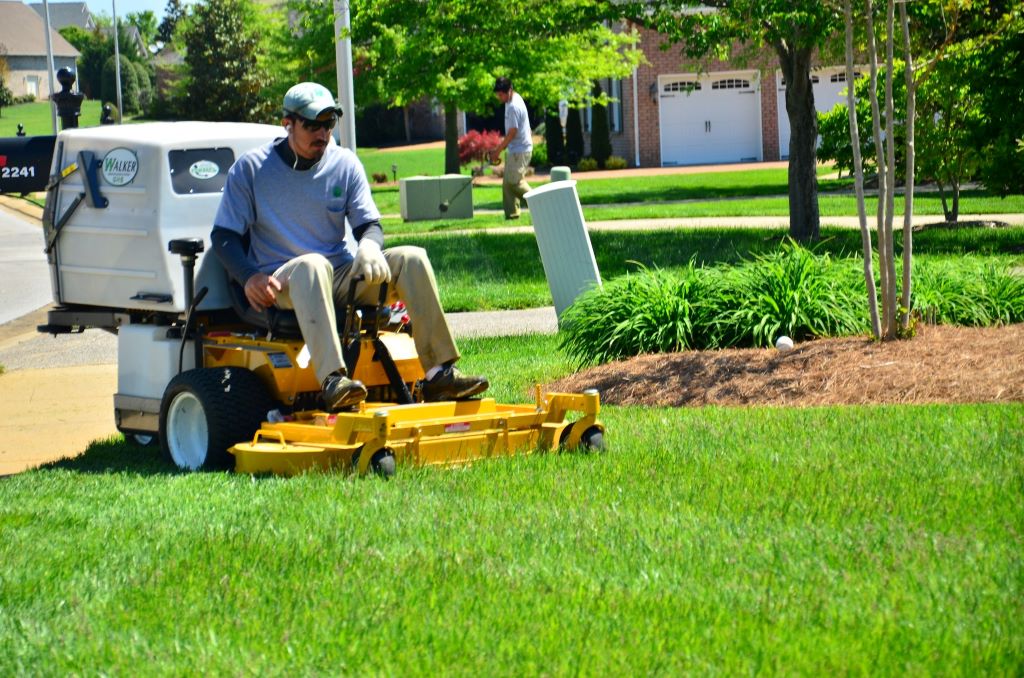
Mowing might seem straightforward, but its impact on lawn health is profound. Cutting grass too short can shock the plant, reduce photosynthesis, and increase vulnerability to pests and weeds. Conversely, letting grass grow too tall can lead to thatch buildup and uneven growth.
For Los Angeles lawns, the optimal mowing height ranges between 2.5 to 3 inches. This height promotes stronger roots and better moisture retention. Lawn care professionals recommend the “one-third rule”: never cut more than one-third of the grass blade length at a time.
Additionally, mowing frequency depends on the season. During the peak growing season—spring and early summer—weekly mowing keeps lawns tidy and healthy. However, in the dry summer months, less frequent mowing helps conserve moisture and reduce stress.
Equipment Matters
Using sharp mower blades is vital. Dull blades tear grass, creating ragged edges prone to disease. Moreover, mulching mowers recycle grass clippings, returning nutrients to the soil and reducing the need for fertilizers.

Environmental and Economic Perspectives
Watering and mowing also impact the environment and household budgets. Efficient lawn maintenance lowers water bills and reduces carbon footprints. According to the Los Angeles Department of Water and Power, smart irrigation can cut water bills by up to 30%, a significant saving for many households.
On the other hand, improper mowing increases fuel use and emissions from gas-powered mowers. Switching to electric or battery-powered mowers reduces noise pollution and greenhouse gases, aligning with Los Angeles’s green initiatives.
Practical Tips for Los Angeles Homeowners
- Set irrigation timers for early mornings.
- Choose drought-resistant grass varieties.
- Mow regularly but avoid cutting grass too short.
- Keep mower blades sharp and consider mulching.
- Use smart irrigation systems to adjust watering automatically.
- Aerate your lawn annually to improve water absorption.
- Collect rainwater when possible for supplemental watering.
Frequently Asked Questions (FAQs)
- How often should I water my lawn in Los Angeles?
Water deeply twice a week during cooler months, increasing to three times weekly during hot summer, while complying with local restrictions. - What is the best time to mow my lawn?
Mow during late morning or early evening to avoid stressing grass during the hottest part of the day. - Can I use recycled water for my lawn?
Yes, recycled or gray water can be used but check local regulations and avoid contamination. - How high should I mow my lawn?
Maintain a height of 2.5 to 3 inches to promote healthy roots and moisture retention. - Are electric mowers better than gas mowers?
Electric mowers are quieter, eco-friendly, and require less maintenance, making them a smart choice for LA. - How do I prevent lawn diseases?
Avoid overwatering and mowing too short. Proper watering and mowing reduce disease risks. - Can I water my lawn during drought restrictions?
Follow local mandates carefully; use efficient watering methods and drought-tolerant grasses to comply.
Final Thought
Lawn maintenance for Los Angeles homes: watering & mowing is a balancing act between aesthetics, environmental responsibility, and legal compliance. Homeowners who adopt smart watering schedules and proper mowing techniques can enjoy lush lawns while conserving precious water. Incorporating drought-resistant grasses, investing in smart irrigation, and using the right mowing practices turn lawn care from a chore into a rewarding experience. For further information, the University of California Agriculture & Natural Resources provides excellent resources on sustainable lawn care here.
Achieving a stunning lawn in Los Angeles is possible with informed choices and consistent care — your yard can be the envy of the neighborhood without breaking water-use rules or your wallet.
Read More:
Drought-Proof Your Garden: 12 Effective Ways to Conserve Water