

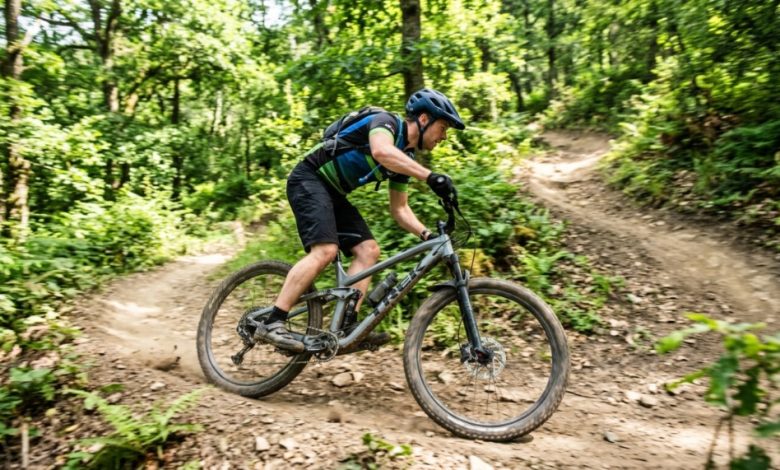
The Best Budget Mountain Bike for trail riding is the one that fits correctly and prioritizes braking, traction, and reliability. Use a Mountain Bike Buying Guide approach: confirm sizing first, then look for dependable disc brakes, trail-capable tires, and a drivetrain that shifts cleanly under load.
Budget bike shopping usually breaks down at the same point: you see two bikes with similar photos and wildly different claims—“trail ready,” “21-speed,” “pro suspension”—and it’s hard to tell what’s real. Then you buy one, hit a descent, and realize the brakes feel weak or the tires slip in corners. This article is structured in the exact Q&A format people search for, so you can choose a trail-worthy budget bike without overpaying or under-buying.
What does “best budget” mean for a mountain bike?
Direct answer: It means the best balance of safety, durability, and ride quality for your money—not the most features on the box.
In practice, “best budget” means:
- Brakes you trust on descents
- Tires that grip your local dirt
- A frame size that fits and feels stable
- Parts that can be serviced or replaced easily
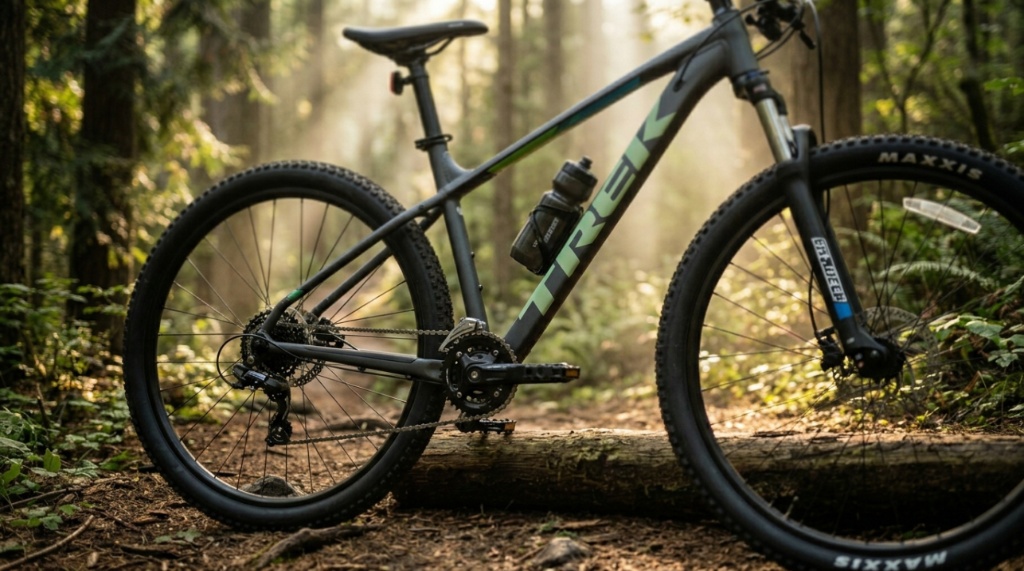
Should the best budget mountain bike be a hardtail or full suspension?
Direct answer: In most budgets, a hardtail is the best choice because it delivers better components and lower maintenance costs than cheap full suspension.
Trail riding needs control. At lower price points, a hardtail usually gives you stronger brakes and a more reliable drivetrain—two things that matter more than rear suspension for most riders.
People also ask: Why do cheap full suspension bikes feel worse?
Direct answer: They often cut costs in brakes, tires, and suspension quality, so the bike feels heavy, harsh, and less controllable.
How do you choose the right size using a mountain bike buying guide approach?
Direct answer: Use the manufacturer size chart, confirm standover comfort, and ensure relaxed reach with room to move when standing.
- Correct size improves confidence, cornering, and braking control.
- Wrong size causes fatigue and makes trails feel harder than they are.
What brakes should the best budget mountain bike have?
Direct answer: Hydraulic disc brakes are the ideal target; if the bike uses mechanical discs, ensure the braking feel is strong and consistent and plan for more adjustments.
Brakes are your safety system. When you’re tired on a long ride, brake consistency matters more than a fancy drivetrain.
What tires make a budget bike trail-capable?
Direct answer: Trail-capable tires have the right width and tread for your soil; correct pressure is the easiest “performance upgrade” you can make.
- Hardpack: Tighter center tread for speed
- Loose over hard: Strong side knobs for cornering
- Wet/mud: Wider tread spacing for shedding
People also ask: Should I go tubeless on a budget trail bike?
Direct answer: If the wheels and tires are tubeless-ready, it’s a worthwhile upgrade for fewer flats and more grip at lower pressures.
Which drivetrain features matter most on a budget mountain bike?
Direct answer: Reliability matters more than gear count; a simple setup that shifts cleanly under load is the best budget choice.
Many budget bikes advertise high gear counts. Instead, focus on:
- Clean shifting on climbs
- Useful low gears for steep terrain
- Parts availability for replacement
How do you compare budget mountain bikes fast without missing important details?
Direct answer: Compare fit, brakes, tires, and expected maintenance costs first—then use suspension and drivetrain as tie-breakers.
| Priority | What to look for | Why it matters |
|---|---|---|
| 1 | Correct sizing/fit | Confidence and comfort on trails |
| 2 | Braking performance | Safety and control on descents |
| 3 | Trail-ready tires | Traction and cornering confidence |
| 4 | Reliable drivetrain | Less skipping, fewer repairs |
| 5 | Fork quality | Comfort and traction over bumps |
If you want a concrete budget benchmark for specs you’ll commonly see (including wheel size and typical component choices), this Best Budget Mountain Bike example review can help you compare your shortlist.
What should you avoid when buying a budget trail bike?
Direct answer: Avoid the wrong size, weak brakes, and bikes that promise “pro trail performance” while using low-quality parts that are costly to fix.
- Wrong frame size because it’s discounted
- Brakes that feel weak or inconsistent
- Unbranded suspension that feels harsh or clunky
- Wheels that wobble or go out of true easily
Conclusion: What’s the best budget mountain bike for trail riding?
Direct answer: The best budget bike is a well-fitting hardtail with dependable brakes, trail-ready tires, and a drivetrain that shifts reliably on climbs.
Budget trail riding is 100% achievable if you buy for control and confidence, not marketing. Use fit, brakes, and tires as your foundation. Then ride for a few weeks before you decide on upgrades. If you share your height, local trail type, and budget, I can help you narrow to the exact spec checklist for your area.
FAQ
What is the Best Budget Mountain Bike for trails?
Direct answer: Typically a hardtail with dependable disc brakes, trail tires, and correct sizing for stable handling.
How do I use a Mountain Bike Buying Guide to choose quickly?
Direct answer: Check sizing first, then prioritize brakes and tires, then compare drivetrain and fork as secondary factors.
Is suspension travel important on a budget bike?
Direct answer: Fork quality and setup matter more than travel numbers; choose the smoothest, most reliable fork you can afford.
Do budget bikes need upgrades right away?
Direct answer: Not always—start with correct tire pressure and maintenance; upgrade tires first if traction is lacking.
Is buying used better for budget trail bikes?
Direct answer: Often yes, but only if condition is verified and you budget for a tune-up or worn parts.
What’s the biggest red flag in a budget trail bike listing?
Direct answer: Unclear sizing and weak brakes are the biggest red flags because they impact safety and confidence immediately.
Can a budget bike be “future-proof”?
Direct answer: Yes—choose standard parts and sizes so tires, brakes, and drivetrain components are easy to replace later.