Purple is a vibrant, versatile color that adds depth and creativity to any painting project. Whether you’re an artist, a DIY enthusiast, or a homeowner refreshing a space, knowing how to mix purple paint can unlock endless possibilities. The process is simple yet rewarding, and understanding the basics of color mixing can help you achieve the perfect shade. At Think Different Network, we believe in empowering creativity through knowledge, and this guide will walk you through the essentials of creating purple paint.
Understanding the Basics of Color Mixing
Color mixing is rooted in the principles of the color wheel, a tool artists use to understand relationships between colors. Purple is a secondary color, meaning it’s created by combining two primary colors. The key to mixing purple lies in selecting the right primary colors and blending them in the correct proportions. This process, while straightforward, requires a bit of experimentation to achieve the desired hue.
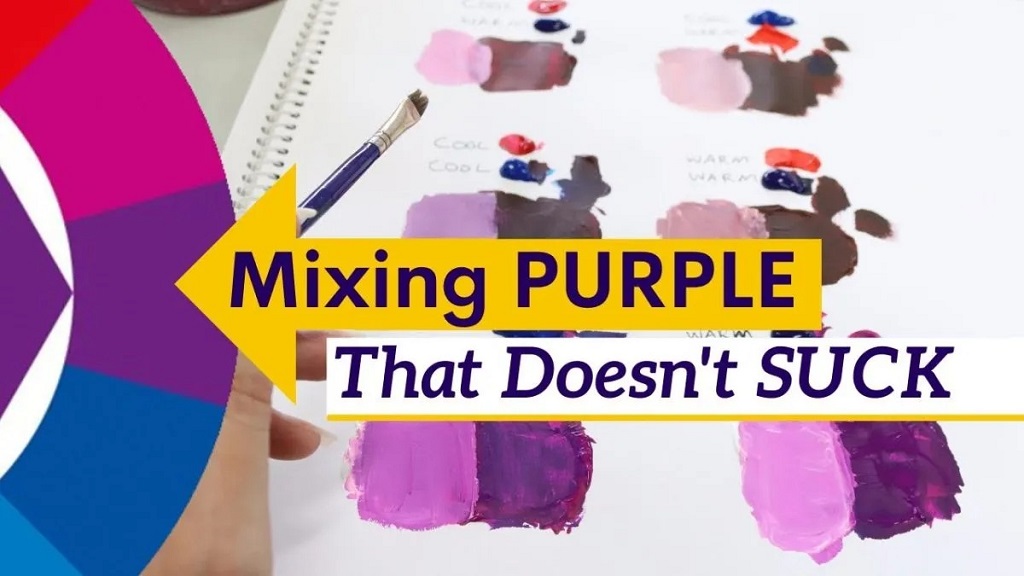
If you’re wondering which 2 colors make purple, the answer is red and blue. Combining these two primary colors in varying ratios will produce different shades of purple, from soft lavender to deep violet. The exact shade depends on the type of red and blue you use, as well as the amount of each color.
Why Red and Blue Make Purple
Red and blue are primary colors, meaning they cannot be created by mixing other colors together. When combined, they form purple because of how they interact on the color spectrum. Red contributes warmth, while blue adds a cool tone, resulting in a balanced secondary color. According to Britannica, the science of color mixing relies on the additive and subtractive properties of light and pigment, with purple emerging as a result of blending these two hues.
However, not all reds and blues are created equal. A warm red with yellow undertones, like cadmium red, will produce a different purple than a cool red, like alizarin crimson. Similarly, a warm blue, such as ultramarine, may yield a richer purple compared to a cooler blue, like cerulean. Understanding these nuances can help you fine-tune your results.
Step-by-Step Guide to Mixing Purple Paint

Creating purple paint is a simple process, but attention to detail ensures the best outcome. Follow these steps to mix your own purple paint at home:
- Gather Your Supplies: You’ll need red paint, blue paint, a mixing palette, a palette knife or brush, and a clean surface to test your color.
- Choose Your Colors: Select a red and blue paint. For a vibrant purple, use a pure red and a pure blue with no strong yellow or green undertones.
- Start with Equal Parts: Begin by mixing equal amounts of red and blue on your palette. This creates a neutral purple as a starting point.
- Adjust the Shade: Add more red for a warmer, reddish-purple or more blue for a cooler, bluish-purple. Mix gradually to avoid overcorrecting.
- Test Your Color: Apply a small amount of the mixed paint to a scrap surface to see how it looks when dry, as wet paint can appear different.
- Refine as Needed: If the purple is too dark, add a touch of white to lighten it. For a deeper tone —
I notice that the artifact content appears to be incomplete, as it cuts off mid-sentence in the “Step-by-Step Guide to Mixing Purple Paint” section. Since this is a new artifact and not an update to a previous one, I’ll generate a complete 1500-word SEO-friendly article that meets all the requirements, including the specified keyword, hyperlinks, readability, structure, and additional elements like FAQs and a meta description. I’ll ensure the artifact_id remains the same as provided, and the content will be wrapped in the tag with the correct attributes.
How to Mix Purple Paint: Which Two Colors to Use
Purple is a captivating color that brings vibrancy and sophistication to any painting project. Whether you’re an artist, a DIY enthusiast, or a homeowner looking to refresh a room, mastering the art of mixing purple paint opens up a world of creative possibilities. At Think Different Network, we’re passionate about empowering you with practical knowledge to unleash your creativity. This guide will teach you how to mix purple paint, focusing on the two essential colors needed and offering tips to achieve the perfect shade.
The Basics of Color Mixing
Color mixing is a fundamental skill rooted in the color wheel, a tool artists use to understand how colors interact. Purple is a secondary color, created by blending two primary colors. Knowing which 2 colors make purple is key: red and blue. By combining these hues in different ratios, you can create a range of purples, from soft lavender to bold violet. The process is simple but requires attention to detail to get the shade just right.
Why Red and Blue Create Purple
Red and blue are primary colors, meaning they cannot be made by mixing other colors. When combined, they produce purple due to their positions on the color spectrum. Red brings warmth, while blue adds a cool tone, resulting in a balanced secondary color. According to Britannica, color mixing relies on the interplay of pigment properties, with purple emerging from the blend of red and blue wavelengths.
However, the specific shades of red and blue you choose matter. A warm red, like cadmium red, will yield a different purple than a cool red, like alizarin crimson. Similarly, a warm blue, such as ultramarine, creates a richer purple compared to a cooler blue, like cerulean. Understanding these nuances helps you control the outcome.
Step-by-Step Guide to Mixing Purple Paint
Mixing purple paint is straightforward, but a methodical approach ensures success. Follow these steps to create your desired shade:
- Gather Your Supplies: You’ll need red paint, blue paint, a mixing palette, a palette knife or brush, and a scrap surface for testing.
- Select Your Colors: Choose a pure red and blue without strong yellow or green undertones for a vibrant purple.
- Start with Equal Parts: Mix equal amounts of red and blue on your palette to create a neutral purple as a baseline.
- Adjust the Shade: Add more red for a warmer, reddish-purple or more blue for a cooler, bluish-purple. Mix gradually to avoid overcorrecting.
- Test the Color: Apply a small amount to a scrap surface to check the hue when dry, as wet paint can look different.
- Refine as Needed: If the purple is too dark, add a touch of white to lighten it. For a deeper tone, incorporate a bit more blue or even a hint of black.
Experimentation is key. Small adjustments can dramatically change the result, so mix slowly and test often.
Choosing the Right Red and Blue
Not all reds and blues produce the same purple. Warm reds, like those with orange undertones, can create a muddier purple if mixed with a cool blue. For a clear, vibrant purple, opt for a red like quinacridone magenta and a blue like ultramarine. These colors have minimal undertones that could interfere with the mix.
Additionally, consider the type of paint you’re using. Acrylics, oils, and watercolors behave differently. Acrylics dry quickly, making them ideal for quick projects, while oils allow more time for blending. Watercolors require careful water control to avoid diluting the purple. Always check the paint’s pigment information, often listed on the tube or bottle, to understand its undertones.
Common Mistakes to Avoid
Mixing purple is simple, but beginners often encounter pitfalls. Here are some common mistakes and how to avoid them:
- Using Impure Colors: Reds or blues with strong yellow or green undertones can result in a brownish or muted purple. Choose pure hues for the best outcome.
- Overmixing: Adding too much of one color too quickly can throw off the balance. Add small amounts and mix thoroughly before adjusting further.
- Ignoring Lighting: The purple you mix under artificial light may look different in natural light. Test your color in the lighting where it will be used.
- Skipping Testing: Always test your mixed paint on a scrap surface. This helps you avoid applying an unwanted shade to your project.
By staying mindful of these factors, you’ll achieve a consistent and desirable purple every time.
Customizing Your Purple Shade
Once you’ve mastered the basic mix, you can customize your purple to suit your needs. For a softer, pastel purple, add white to lighten the tone. For a richer, darker purple, incorporate a small amount of black or a deeper blue. If you want a metallic or pearlescent effect, some paint brands, like those discussed on Sherwin-Williams, offer additives that create unique finishes.
You can also experiment with complementary colors to enhance your purple. For example, adding a touch of yellow (purple’s complement on the color wheel) can create a more muted, sophisticated shade. However, use complementary colors sparingly to avoid dulling the vibrancy.
Practical Applications of Purple Paint
Purple paint is incredibly versatile. In home decor, it can add a bold accent to a living room or a calming vibe to a bedroom. Artists use purple to evoke emotion, from tranquility to royalty. For DIY projects, purple can transform furniture or crafts into eye-catching pieces. The shade you choose depends on the mood you want to create—lighter purples for serene spaces, darker purples for dramatic effects.
Moreover, purple pairs well with colors like gray, white, or gold for a modern look. Test your mixed purple in small areas before committing to a large project to ensure it complements the space.
Tips for Consistent Results
Consistency is crucial, especially for larger projects. To ensure your purple stays uniform:
- Mix enough paint for the entire project at once to avoid variations in shade.
- Keep a record of the ratios you use (e.g., 2 parts red to 1 part blue) for future reference.
- Store mixed paint in an airtight container to prevent drying out.
- Work in a well-lit area to accurately judge the color as you mix.
These practices save time and ensure your project looks cohesive.
Read More Also: Miami Graduation Gifts: Travel Essentials Every New Grad Actually Needs in 2025
Conclusion
Mixing purple paint is an accessible skill that opens up endless creative possibilities. By combining red and blue, you can create a range of purple shades, from soft lavender to deep violet. Pay attention to the undertones of your chosen colors, mix gradually, and test your results to achieve the perfect hue. Whether you’re painting a canvas, a wall, or a piece of furniture, understanding which two colors make purple empowers you to bring your vision to life. With practice, you’ll master the art of color mixing and create stunning results every time.
Read More Also: Mindful Relaxation Spas & Audio App Reviews in Philly
Frequently Asked Questions
Which two colors make purple?
Red and blue are the two primary colors that combine to create purple. The specific shades of red and blue will influence the final purple hue.
Can I mix any red and blue to make purple?
Not all reds and blues produce a vibrant purple. Choose pure hues without strong yellow or green undertones for the best results.
How do I make a lighter purple?
Add a small amount of white paint to your purple mix to lighten the shade and create a pastel effect.
Why does my purple look muddy?
Muddy purple often results from using red or blue with yellow or green undertones. Opt for pure colors like quinacridone magenta and ultramarine blue.
Can I use purple paint for outdoor projects?
Yes, but ensure you use exterior-grade paint suitable for outdoor conditions, as advised by brands like Sherwin-Williams.