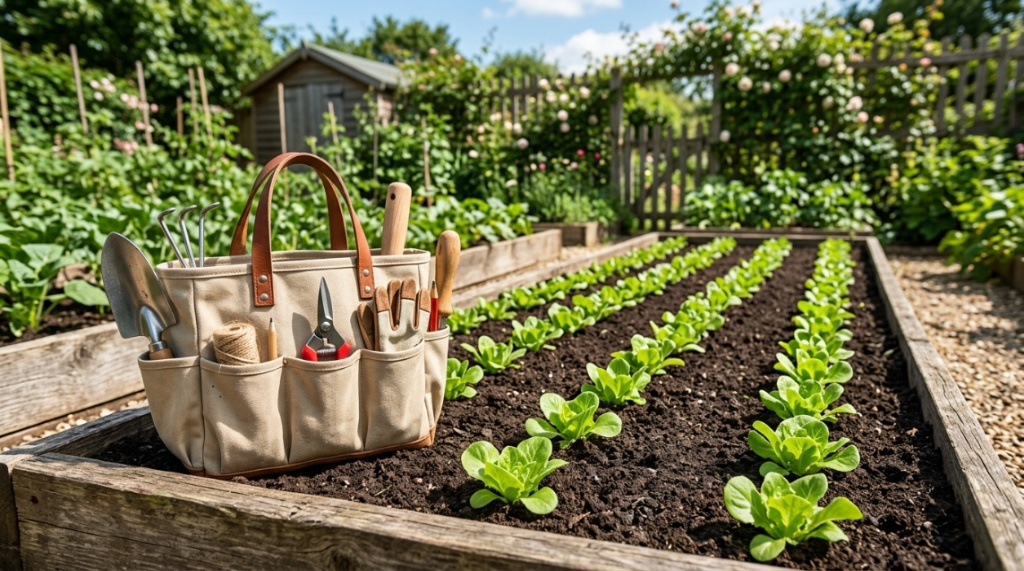
You kneel in the dirt, seedling in hand, only to stab at the earth with a flimsy trowel that bends like a cheap spoon. Frustrating, right? We have all been there. The difference between a thriving garden and a sore back often comes down to the tool in your hand. When you need accuracy for transplanting bulbs, spacing seeds, or working in tight raised beds, not just any shovel will do. You need specific garden tools garden trowel options that offer leverage, ergonomics, and precision. This guide will walk you through exactly what to look for, helping you avoid the junk that wastes your money and time.
What Makes a Garden Trowel “Precise” for Planting?
A precise garden trowel is defined by its narrow blade profile, sharp tip, and ergonomic handle that allows for controlled wrist movement. Unlike a general digging shovel, a precision trowel lets you carve a perfect hole without disturbing neighboring roots.
Blade Shape and Width
Traditional trowels have wide, triangular blades that are great for mixing soil but terrible for delicate transplanting. Look for a “dibble” style or a narrow, pointed blade (around 1.5 to 2 inches wide). This shape allows you to slice into compacted soil without creating a crater.
Sharpness and Material
A blunt trowel rips roots; a sharp one cuts through them cleanly. High-carbon steel blades hold an edge longer than stainless steel, though they require drying after use to prevent rust. For precision, avoid painted or coated blades that chip and become dull quickly.
Handle-to-Balance Ratio
Precision comes from balance. If the handle is too heavy, your hand will fatigue, leading to shaky planting. The best trowels have a handle slightly heavier than the blade, shifting the center of gravity into your palm. This gives you a “pen-like” control for detailed work.
Why Is a Standard Shovel Wrong for Precision Gardening?
Standard shovels or large spades are designed for moving bulk material, not for surgically placing a lettuce plug. Using a full-size shovel for planting seedlings is like using a sledgehammer to hang a picture—it works poorly and causes collateral damage.
The Problem of “Overshoot”
A large blade digs too deep and too wide. When you pull it out, you are left with a gaping hole that buries the crown of your plant or creates air pockets around the roots. Precision trowels prevent “overshoot” by allowing you to dig only to the depth of the blade (usually 4–6 inches).
Soil Compaction Issues
Pressing a wide shovel into damp soil compresses the sides of the hole, creating a “glazed” wall that roots struggle to penetrate. A narrow, sharp trowel slices through the soil, leaving a friable surface that roots can easily colonize.
Ergonomic Failures
Standard shovel handles force you to bend at the waist. Precision trowels with a D-grip or ratcheting handle keep your wrist straight, allowing you to apply downward force without strain. This is critical when planting dozens of plugs in a single session.
Which Materials Offer the Best Durability for Fine Work?
The material of your trowel dictates its longevity, weight, and how it feels in your hand. For precise planting, you need a material that balances stiffness with lightness.
Carbon Steel vs. Stainless Steel
Carbon steel is the preferred choice for serious gardeners. It is tougher, can be sharpened easily, and is less likely to snap under lateral pressure. Stainless steel is rust-resistant but often softer, meaning the tip will curl if you hit a rock. If you have clay soil, choose carbon steel.
Aluminum Alloys
Aluminum trowels are lightweight and rust-proof, making them ideal for container gardening where you are moving between pots. However, they are not as strong. Use aluminum only for loose potting mix, not for breaking ground in native soil.
Handle Materials: Wood, Rubber, or Plastic?
Wooden handles (ash or hickory) offer the best shock absorption. Rubberized grips provide traction when your hands are wet. Avoid hard plastic handles; they become slippery and can crack in cold weather. For precision, a hybrid handle—wood core with a rubber coating—offers the best of both worlds.
How Do You Match a Trowel to Your Planting Style?
Your planting style dictates the tool you need. A vegetable gardener has different needs than a perennial border gardener or a succulent enthusiast. Identify your primary task to narrow your search.
For Bedding Plants and Vegetables
You need a trowel with a depth marker (laser-etched measurements on the blade). This allows you to plant every tomato or pepper at the exact same depth, which is critical for even growth. A “transplant trowel” with a long, thin blade is ideal here.
For Bulbs and Perennials
Bulb planting requires a trowel that can dig a 6-inch deep hole with a flat bottom. Look for a “bulb planter” trowel that has a slightly flared tip. You want to avoid the classic “V” shape that leaves a pointed hole, which can rot bulbs.
For Containers and Raised Beds
In raised beds, you have limited depth and often use loose soil. A shorter trowel (8–10 inches total length) gives you better control. Look for a trowel with a scoop-shaped blade to lift soil out of tight corners without spilling it over the edge of the bed.
What Ergonomic Features Prevent Hand Fatigue?
Hand fatigue is the enemy of precision. If your grip is tired, your holes become sloppy. Ergonomics is not just about comfort; it is about maintaining consistent planting depth and spacing.
The Angle of the Handle
Look for a trowel with a “ratcheted” or angled throat (the point where the handle meets the blade). A 15-degree angle allows your wrist to remain straight while digging, transferring force from your bicep rather than your small wrist ligaments. This is often called a “power grip” trowel.
Grip Texture and Size
A smooth handle forces you to grip tightly, causing cramps. Choose a trowel with a textured rubber grip or wood grain. The handle should fill your palm comfortably—if your fingers overlap your thumb, it is too small. If you cannot wrap your fingers around it, it is too large.
Weight Distribution
Heavy-headed trowels (blade-heavy) require more effort to lift. Light-bladed, handle-heavy tools feel “alive” in your hand. Test the balance by holding the trowel at the very end of the handle. If it tips forward, look for a different model.
Can You Use a Garden Trowel for Weeding and Cultivating?
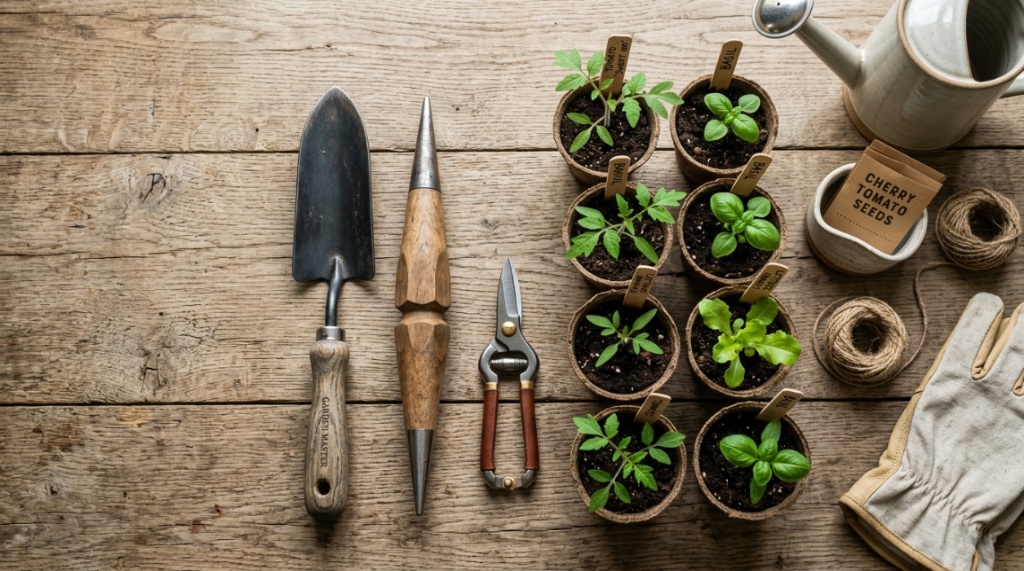
Yes, but only if you choose a specific hybrid design. A standard planting trowel is not ideal for weeding. For dual-purpose use, you need a tool that combines a sharp edge for cutting roots with a narrow point for planting.
The “Winged” Trowel Design
Some trowels have slight “wings” or serrated edges on the sides of the blade. These are perfect for slicing through dandelion taproots while you are planting. However, these wings can get caught on roots if you are transplanting tiny plugs. Choose this style only if weeding is a priority.
Cultivating vs. Digging
A standard trowel digs down; a cultivator scratches the surface. If you want one tool to do both, look for a trowel with a sharp point but a slightly curved back edge. You can use the point for planting and the curved back for scratching the soil surface to remove small weeds.
Maintenance for Dual-Use Tools
If you use the same tool for weeding and planting, clean the blade thoroughly between tasks. Weeds often carry soil-borne diseases. A quick wipe with a rag and a spray of 70% isopropyl alcohol prevents cross-contamination.
How to Test a Trowel Before You Buy?
You cannot trust product images alone. The feel of a trowel is subjective. Here is a three-step test you can perform in a store or with a mail-order return policy to ensure you are getting a precision tool.
The “Thumb Pressure” Test
Hold the trowel by the handle and press the tip against a hard surface (like a countertop) with your thumb. Apply moderate pressure. If the blade flexes or the handle creaks, it is too weak. A quality trowel should feel rigid.
The “Pen Grip” Test
Hold the trowel as you would a pen (pinched between thumb and index finger). Simulate digging a small hole. The tool should feel balanced and the handle should not dig into your palm. If it wobbles or feels heavy in this grip, it is not precise.
Choosing the right gear is only half the battle; keeping your shed stocked with core essentials ensures you are always prepared. Before diving into specialized gear, make sure you have the foundational Tools Every Gardener Should Own ready to go.
The “Soil Slide” Test
If you have access to soil, push the trowel in and lift out a scoop. The soil should slide off easily. Tacky or sticky soil indicates the blade is too textured or has a coating that grabs dirt. A smooth, polished blade releases soil cleanly, which is vital for speed.
Is a Expensive Trowel Worth the Investment?
Yes, but only if it meets the specific criteria for your soil and planting style. A $50 trowel made from a single piece of forged steel can last 20 years. A $5 stamped steel trowel will bend in one season. The cost is amortized over decades of use.
The True Cost of Cheap Tools
Cheap trowels break at the handle joint. They also rust, bend, and injure your wrist. The hospital bill for a sprained wrist or the cost of replacing a broken tool every year far exceeds the price of one quality tool. Look for lifetime warranty brands.
What You Pay For
Premium trowels are often forged from a single piece of steel (no weld joint). The handle is integrated into the tang (the metal part that goes into the handle), making it unbreakable. You also pay for better ergonomics and blade sharpness that lasts.
Budget-Friendly Precision Options
If you are on a tight budget, look for a carbon steel trowel with a wooden handle and a full tang. Avoid tools with hollow handles or plastic ferrules. You can get a high-quality, precision-focused tool for under $30 if you prioritize material over brand name.
The Final Checklist Before You Plant
Before you head to the garden center or add to your cart, run through this quick checklist to ensure you are getting a true precision planting tool rather than a general-purpose digger. Knowing exactly what to look for in your garden tools garden trowel makes all the difference in your planting accuracy.
Measure the Tang
The metal part of the trowel that goes into the handle (the tang) should extend at least halfway up the handle. A short tang means the handle will snap off under torque. Look for a “full tang” or “rat-tail tang” for maximum durability.
Check the Tip Geometry
A precise trowel has a sharp, acute point (less than 30 degrees). A blunt point is for mixing dirt, not planting. Run your finger along the tip (carefully) to feel for sharpness. It should feel like a dull knife, not a spoon.
Assess the Handle Comfort
Hold the trowel in your dominant hand for 30 seconds. Close your eyes. Does any part of the handle dig into your palm? Is the grip sticky or slippery? Your hand should feel neutral, not clenched. A comfortable handle is a low-fatigue handle.
Frequently Asked Questions
What is the best length for a precision garden trowel?
The best length for precision work is 10 to 12 inches overall. A blade of 4 to 5 inches provides enough depth for most seedlings without being unwieldy. Shorter trowels (8 inches) are better for pots, while longer ones (14 inches) are for deep-rooted plants.
Can I use a garden trowel to dig in clay soil?
Yes, but you need a heavy-duty carbon steel trowel with a sharp point. Stainless steel or aluminum trowels will bend or snap in hard clay. Look for a trowel specifically labeled for “heavy digging” to handle the resistance of compacted clay.
How do I clean and maintain my garden trowel?
Rinse the blade with water after each use to remove soil. Dry it immediately with a cloth. Apply a light coat of mineral oil or boiled linseed oil to the steel blade once a month to prevent rust. Sharpen the edge with a file every season.
Should I choose a left-handed or right-handed trowel?
Most trowels are ambidextrous. However, some ergonomic trowels with a pronounced angle are designed for right-handed users. If you are left-handed, look for trowels with a symmetrical handle or a “hand-agnostic” design. Test it in your hand before buying.
What is the difference between a trowel and a hand fork?
A trowel is for digging holes and moving soil. A hand fork (or cultivator) is for breaking up soil clods, weeding, and aerating the top layer. You need both for precise planting, but the trowel is the primary tool for making the planting hole.
Are wooden handles better than plastic handles?
Wooden handles (ash or hickory) are better for shock absorption and longevity. They are repairable and feel warm in the hand. Plastic handles are lighter but can become brittle in cold weather and often break at the ferrule (the metal collar connecting handle to blade).
How often should I replace my garden trowel?
A high-quality forged trowel can last 10 to 20 years with proper care. You should replace a trowel when the blade becomes too blunt to sharpen, the handle cracks, or the tang breaks. Cheap trowels may need replacement every year or two.