You’ve finally set up the rimless tank, picked out the perfect light, and imagined a breathtaking underwater scape. Then reality hits. You wander through a Texas creek bed or browse a local landscaping yard, only to wonder: will this rock turn my prize cichlids into fossils? The problem is real—many common Texas stones leach carbonates, spiking your pH and crushing sensitive aquatic life. You need rocks that look rugged but behave themselves underwater. That’s where knowing how to identify and source pH-neutral aquascaping stones Texas landowners and hobbyists actually use becomes your secret weapon. This guide walks you through the geology, the testing methods, and the local sources so you can build a stable, beautiful aquascape without chemistry headaches.
What Makes a Stone pH-Neutral for Aquascaping?
Understanding Chemical Inertness in Common Rocks
A pH-neutral stone is one that does not dissolve or react with aquarium water. In practical terms, this means the rock contains little to no calcium carbonate (limestone, marble, dolomite) and does not release buffering compounds. Inert rocks like quartzite, granite, slate, and most river-worn lavas maintain a stable pH because their mineral composition is chemically stable in freshwater. If you drop one of these stones into a tank, the pH reading stays exactly where it was before you added it. That predictability is what every aquascaper needs, especially when keeping soft-water fish like tetras or discus.
Why pH Stability Matters More Than Rock Appearance
Fish and shrimp have evolved to thrive within narrow pH ranges. A sudden swing of even 0.5 points causes stress, weakens immune systems, and can trigger fatal ammonia spikes. Texas tap water often runs alkaline (pH 7.8–8.2), so adding a reactive rock only pushes the tank further out of balance. Choosing inert stones gives you control—you can adjust pH through filtration or CO2 injection rather than fighting a dissolving rock that releases carbonates every time you top off the tank.
Which Texas Rocks Are Safe and Which Are Not?
Safe Stones: Granite, Quartzite, Slate, and Lava Rock
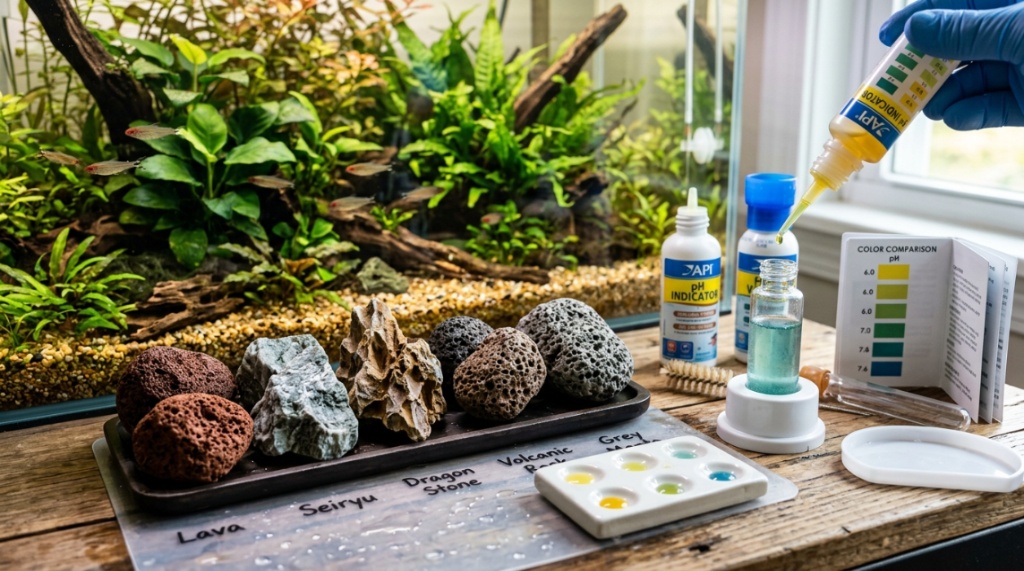
Granite is abundant across the Hill Country and the Llano Uplift. It is extremely hard, chemically inert, and comes in speckled grays, pinks, and blacks. Quartzite (metamorphosed sandstone) is another Texas staple—dense, non-porous, and completely inactive in water. Slate splits into flat sheets perfect for terraces and caves, and it won’t alter your chemistry. Lava rock, often imported but available at Texas landscape suppliers, is porous, lightweight, and inert. These four categories cover 90% of safe aquascaping needs in the Lone Star State.
Rocks to Avoid: Limestone, Sandstone, and Dolomite
Limestone is the biggest offender. It crumbles, dissolves, and turns your water into a calcium carbonate buffer bath. Sandstone varies wildly—some quartz-based sandstone is inert, but many Texas sandstones contain calcite cement that will fizz on contact with acid. Dolomite and marble are even worse; they actively raise pH and hardness. Avoid any rock with visible white veins, chalky surfaces, or fossil impressions unless you intend to run an African cichlid tank at pH 8.5.
How Local Texas Geology Affects Your Stone Choice
Texas is a geological patchwork. West Texas offers volcanic basalts and rhyolites (mostly inert). Central Texas is limestone country—avoid any random road cut rock there. The Llano region produces granite and quartzite. East Texas has creek gravels that mix inert quartz with reactive sandstone. Knowing your region helps you skip the guesswork. If you live in Austin, your backyard rock is almost certainly limestone, so don’t grab it. If you are in Marble Falls, you have prime granite collecting territory.
How Can You Test a Rock for pH Neutrality at Home?
The Vinegar Test: No Baking Soda Required
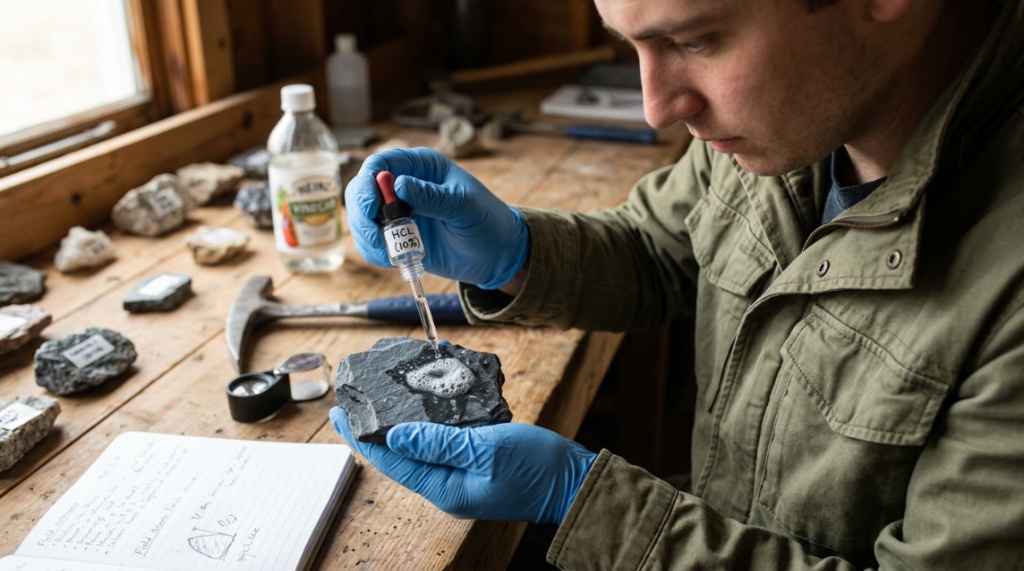
Take a clean rock, place it in a glass bowl, and pour white vinegar directly onto the surface. Watch closely. If you see bubbles or hear a faint fizz, the rock contains calcium carbonate and is unsafe. No reaction means the stone is likely inert. This test is reliable because vinegar (acetic acid) reacts with carbonates the same way aquarium water does, just faster. For best results, scratch the rock surface first with a steel file to expose fresh material, then drip vinegar on the scratch. Some rocks have a weathered coating that hides reactivity underneath. DIY hardscaping, or building custom rock formations backwalls before filling the aquarium with water.
The Weight and Water Test for Porosity
Weigh the dry rock, submerge it in water for 24 hours, pat it dry, and weigh it again. If it gains more than 2% of its dry weight, the rock is porous and will trap organic waste, leach tannins, or harbor anaerobic bacteria. Porous stones also release trapped minerals slowly over time. Dense igneous and metamorphic stones should show less than 1% weight gain. Slate may gain slightly more but remains safe if it passes the vinegar test.
| Rock Type | Vinegar Test Result | Water Absorption | Safe for Aquarium? |
|---|---|---|---|
| Granite (Central Texas) | No fizz | <0.5% | Yes |
| Quartzite (Llano region) | No fizz | <1% | Yes |
| Texas Limestone | Strong fizz | 3–8% | No |
| Local Creek Sandstone | Mild fizz (often) | 2–5% | Usually No |
| Slate (Central Texas) | No fizz | <2% | Yes |
When to Skip DIY Testing and Buy Certified Stones
If you lack time or want zero risk, buying from a reputable source eliminates the guesswork. Many online retailers now certify their stones as pH-neutral after laboratory testing. This is especially wise for nano tanks where even a small rock can swing water parameters. The upfront cost is higher, but the peace of mind is worth it when you are keeping expensive wild-type fish.
Where Can You Find pH-Neutral Stones in Texas?
Landscape Supply Yards: The Hidden Gem for Aquascapers
Texas landscape suppliers stock massive piles of decorative gravel, boulders, and flagstone. Call ahead and ask for “Texas granite chips,” “river rock,” or “lava rock.” Avoid anything labeled “limestone chip” or “crushed limestone.” Visit in person, bring a small bottle of vinegar, and test samples on the spot. Most yards charge by the pound, and you can fill a five-gallon bucket for under $10. This is hands-down the cheapest way to source large amounts of inert stone for a big aquascape.
Texas Riverbeds and Creeks: Legal Collection Tips
Collecting rocks from public waterways is legal in Texas on most navigable streams, but never collect from state parks or private property without permission. Look for smooth, hard stones in riffle sections where fast water has tumbled away loose material. Skip all white or chalky rocks. Focus on dark gray, black, and brown stones that feel dense and ring like metal when struck. Always clean your finds with a stiff brush and hot water before the vinegar test. Never boil rocks from the wild—trapped air can cause explosive fracturing.
Online Retailers Specializing in Texas Aqueous Rocks
Several aquascaping vendors ship directly to Texas addresses with guaranteed inert stone. You can browse curated selections that are pre-tested, pre-cleaned, and often sourced from local quarries. If you want to skip the fieldwork entirely, checkout options like pH-neutral aquascaping stones Texas that deliver right to your door. This route costs more but saves time and eliminates the risk of bringing home reactive rock.
How Should You Prepare Collected Stones for Your Aquarium?
Cleaning Without Soap or Chemicals
Scrub the rock under running water with a stiff-bristle brush (a new toilet brush works great). Remove all loose dirt, clay, and organic matter. Never use soap, bleach, or detergents—residues kill fish. For heavy organic buildup, soak the rock in a bucket of dechlorinated water for 48 hours, changing the water daily. This leaches any soluble tannins or dust without altering the stone’s chemistry.
Boiling or Baking: When and How to Do It Safely
Boiling is safe for small, dense rocks (under 3 inches) but never heat a rock quickly. Place the rock in a pot of cold water, bring it to a boil slowly, boil for 10 minutes, then let it cool naturally in the water. Rapid temperature changes cause thermal shock and cracking. Baking is riskier—many rocks contain moisture that turns to steam and explodes. If you must bake, put the rock in a cold oven, heat to 250°F for 20 minutes, then cool inside the oven with the door cracked. Personally, I skip baking and rely on the vinegar test plus a good scrub.
The Final Leach Before Tank Placement
After cleaning and testing, place the rock in a bucket of aged aquarium water or dechlorinated tap water for 24 hours. Test the water’s pH before and after. If the pH stays stable, the stone is safe to add. If you see even a 0.2 rise, return the rock to the yard or toss it. This final step catches any lingering reactivity that the vinegar test might have missed.
Can You Mix pH-Neutral Stones with Hardscape Wood?
Design Harmony Without Chemistry Clashes
Yes, and this is where the magic happens. Dark granite or slate pairs beautifully with spider wood or manzanita. The key is texture contrast: smooth river stones next to gnarly driftwood creates depth. Since both materials are inert, you control the tank’s chemistry through substrate and water changes alone. Just avoid combining reactive limestone with driftwood—the wood releases tannins that lower pH, while the limestone fights back, creating a tug-of-war that stresses fish.
How to Arrange Stones for Maximum Stability
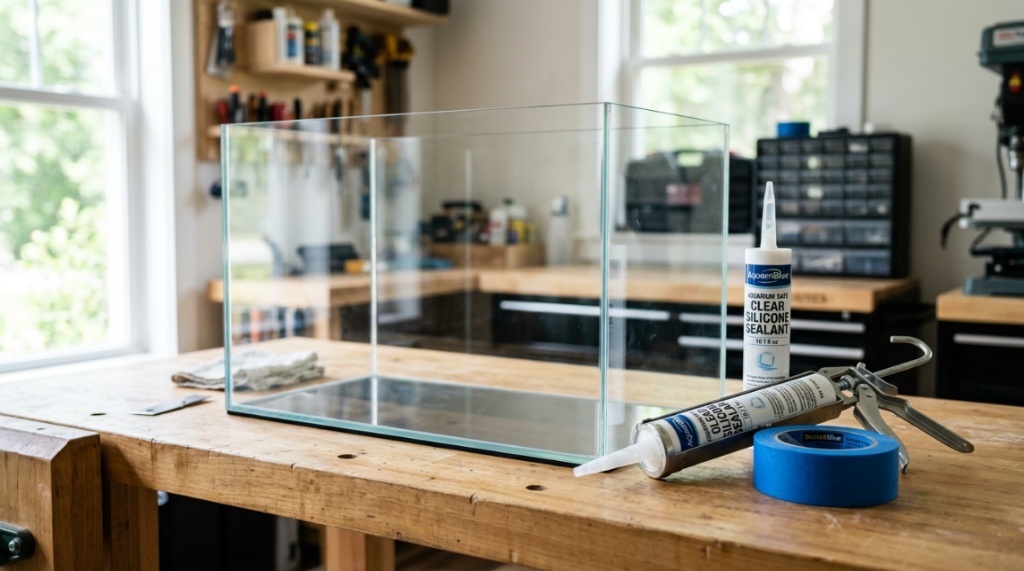
Place the largest stones first, burying them 1–2 inches into the substrate for stability. Use smaller stones to create ramps and caves. Slate can be stacked like bricks if worked properly. Always test stability by gently pushing from different angles. A falling rock can crack glass, crush fish, or collapse the entire scape. If you want an arch or overhang, use aquarium-safe silicone to bond the stones together—nothing ruins a beautiful tank faster than a rock slide at midnight.
What Are the Cost Differences Between Local and Online Sources?
Breakdown of Per-Pound Costs in Texas
Landscape yards: $0.10–$0.50 per pound. River collection: free (plus gas and time). Online retail: $1.50–$4.00 per pound including shipping. For a 20-gallon tank, you might need 15–25 pounds of rock. Local sourcing saves $30–$80 over online purchases. However, online stones arrive clean, tested, and selected for shape and color. Decide based on how much your time and certainty are worth.
| Source | Cost per Pound | Testing Required | Selection Control |
|---|---|---|---|
| Local Landscape Yard | $0.10–$0.50 | Yes (vinegar test) | High (pick yourself) |
| Texas River/Creek | Free | Yes (multiple tests) | Moderate (limited by location) |
| Online Aquascaping Store | $1.50–$4.00 | No (pre-tested) | Low (choose from photos) |
Hidden Costs to Consider: Shipping Weight and Fuel
Rock is heavy. Shipping a 20-pound box of granite from an online store in California to Texas can cost $15–$25 on top of the product price. Conversely, driving 50 miles to a landscape yard in a pickup might cost you $10 in fuel. Factor in your time. If you value convenience and zero hassle, the online route wins. If you enjoy a Saturday adventure and want to hand-select each stone, go local.
How to Troubleshoot pH Changes After Adding Stones
Immediate Steps If pH Starts Climbing
Pull the suspect stone out immediately. Perform a 25% water change with RO or distilled water to dilute the buffering compounds. Test your source water to ensure it isn’t the culprit. If pH stabilizes after removal, you found the problem stone. If pH continues climbing without the stone, check your substrate, driftwood, or filter media. Some ceramic media also leach carbonates.
Long-Term Monitoring for Slow Leaching
Some stones pass the vinegar test but leach trace minerals over weeks. Monitor pH weekly for the first month after adding new rock. If you see a gradual rise (say from 7.0 to 7.4 over four weeks), the stone may be slowly dissolving. Replace it with a certified inert rock. Your fish will thank you with brighter colors and better breeding behavior.
Frequently Asked Questions
Can I use Texas river rocks from my backyard?
Yes, but only after testing. Texas river rocks often contain a mix of inert quartz and reactive limestone or sandstone. Collect only dark, dense rocks that feel heavy. Test every single rock with vinegar before adding it to the tank.
How long should I soak rocks before putting them in the aquarium?
Soak cleaned rocks in dechlorinated water for 24 to 48 hours. Test the pH of the soak water after 24 hours. If unchanged, the rock is ready. If pH shifted, discard the rock and find another.
Is Texas slate safe for all freshwater fish?
Yes, Texas slate is generally safe and pH-neutral. It splits easily, making it ideal for creating ledges and caves. Avoid slate with metallic veins or visible rust spots, which may leach heavy metals.
Do I need to boil rocks from a Texas creek?
Boiling is not necessary if you scrub the rock thoroughly and soak it. If you choose to boil, heat and cool the rock slowly to avoid cracking. Most aquascapers skip boiling and rely on vinegar testing and soaking.
Can colored or dyed landscaping rocks be used in aquariums?
Never use dyed rocks in an aquarium. The dyes can be toxic and will leach into the water over time. Stick to natural stone that is free from paints, epoxies, and artificial coatings.
How can I tell if a rock is granite versus limestone?
Granite is speckled with visible crystals of quartz, feldspar, and mica. It is very hard and does not react to vinegar. Limestone is uniform in color, feels chalky, and reacts vigorously to vinegar. A quick scratch test also helps: granite is hard to scratch, limestone scratches easily.
Are lava rocks from Texas home improvement stores safe?
Most lava rocks sold in Texas are inert and safe. However, some are crushed and may contain dust. Rinse thoroughly, test with vinegar, and soak before use. Avoid lava rock that has been treated with iron oxide for landscaping color.
Final Thoughts on Sourcing Safe Stones in Texas
Picking pH-neutral aquascaping stones in Texas comes down to three actions: understand your local geology, test every rock before it hits the water, and source from reliable places. Landscape yards and creek beds offer unbeatable value if you put in the testing effort. Online retailers provide convenience and certainty at a higher price. Either path works, provided you skip limestone, sandstone, and any rock that fizzes. Your fish depend on stable water chemistry, and the rocks you choose are a foundation of that stability. Start with one tested stone, build confidently, and watch your aquascape thrive without unwanted pH surprises. Now go pick some granite—your tank is waiting.