
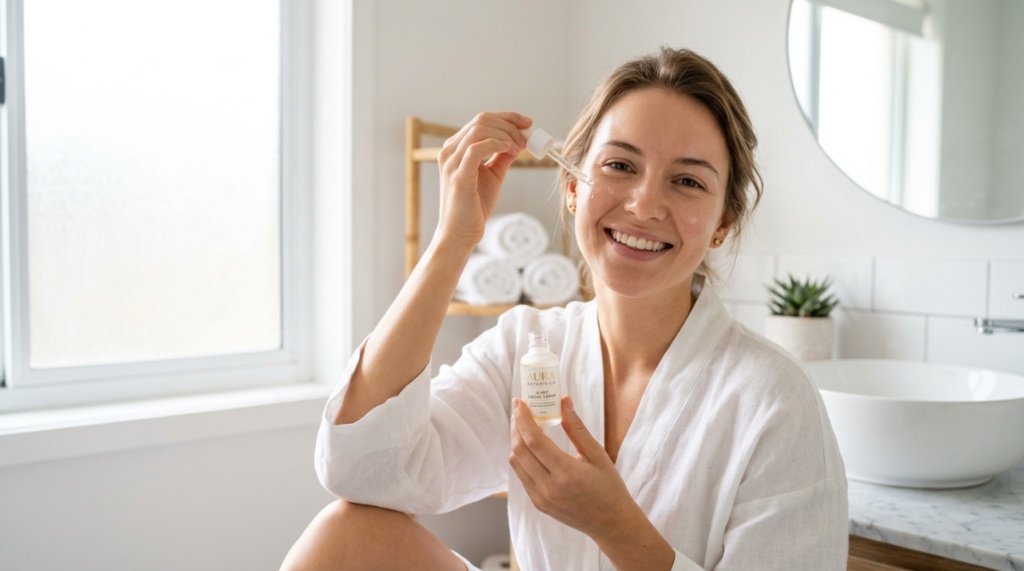
You stare in the mirror, and your skin looks dull, tired, and frankly, a little sad. You have tried everything drinking more water, sleeping on a silk pillowcase, and cutting out sugar. But that glow? It is still missing. The problem is that most “radiance-boosting” products cost a small fortune. You want luminous skin, but you do not want to break the bank. The good news is that achieving a healthy, lit-from-within complexion does not require a luxury budget. It requires the right ingredients and smart shopping. This guide will show you exactly how to use cheap radiance serums, lifestyle tweaks, and clever application techniques to get your glow back without spending your rent money.
What Makes a Serum Effective for Radiance on a Budget?
An effective radiance serum works by targeting the three main causes of dullness: dehydration, dead skin cell buildup, and oxidative stress. You do not need gold flakes or caviar extracts to fix these issues. You need proven active ingredients that are widely available and affordable.
The Core Ingredients That Actually Deliver Glow
Look for serums containing Vitamin C (L-Ascorbic Acid), Niacinamide (Vitamin B3), or Alpha Hydroxy Acids (AHAs) like Glycolic or Lactic acid. These ingredients are scientifically proven to brighten skin, fade dark spots, and improve texture. Because they are mass-produced, they are relatively inexpensive. A budget serum with 5-10% Niacinamide will cost a fraction of a department store brand but delivers similar results.
Why Price Does Not Always Equal Potency
Luxury brands spend heavily on packaging, marketing, and fragrance. Affordable brands often strip away the fluff and put the money into the formula. Many dermatologists confirm that a generic drugstore serum with 10% Azelaic Acid or 2% Hyaluronic Acid performs just as well as a high-end counterpart. The difference is often just the brand name on the bottle.
How Can You Identify a High-Quality Cheap Radiance Serum?
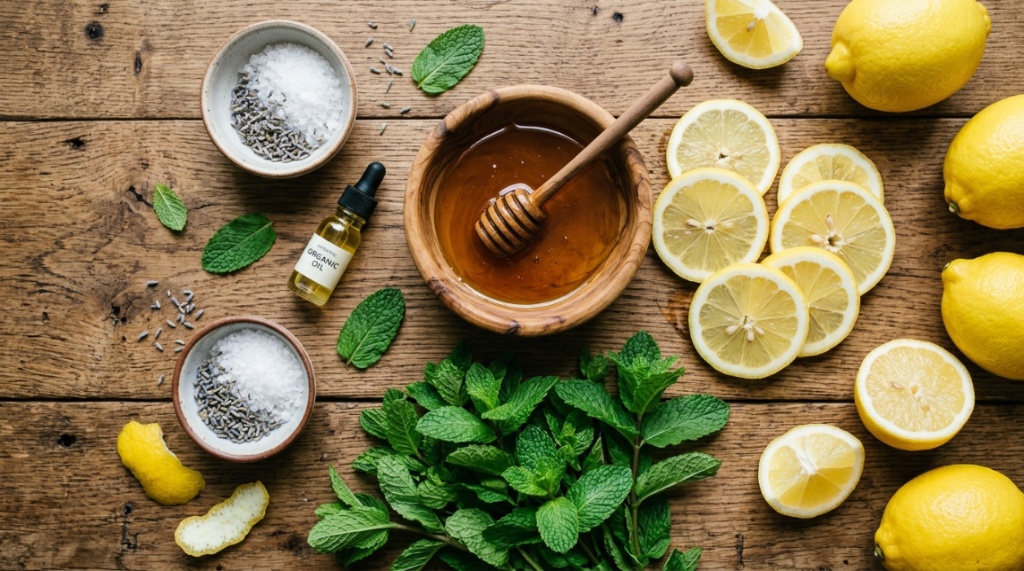
You can identify a high-quality budget radiance serum by reading the ingredient list rather than the price tag. Look for the active ingredient listed within the top five components of the formula. Avoid products where water or alcohol is the primary ingredient followed by artificial dyes.
Check the Concentration and Packaging
Effective ingredients must be in the right concentration. For Vitamin C, look for concentrations between 10% and 20%. For Niacinamide, 2% to 10% is standard. Also, check the packaging. Ingredients like Vitamin C and Retinol are unstable and degrade in clear bottles. A cheap serum that comes in an opaque, airless pump bottle is often a sign of quality because the manufacturer took care to protect the formula.
Avoid These Red Flags in Budget Serums
- Strong alcohol smell: This indicates high denatured alcohol content, which dries out skin and causes more dullness.
- Excessive fragrance: “Parfum” listed high on the ingredient list can irritate the skin barrier, leading to redness and inflammation.
- Vague marketing: Terms like “brightening complex” without specific ingredients (like Vitamin C or Kojic Acid) are often marketing fluff.
Which Affordable Ingredients Are Best for a Glow?
The best affordable ingredients for a glow are Vitamin C, Niacinamide, Lactic Acid, and Squalane. Each of these addresses a specific cause of dullness and is available in drugstore serums for under $20.
Vitamin C (L-Ascorbic Acid)
This is the gold standard for radiance. It neutralizes free radicals from pollution and UV exposure, which cause premature aging and dullness. It also inhibits melanin production, helping to fade dark spots. A cheap serum with 10% Vitamin C can brighten your complexion in 4-8 weeks with consistent use.
Niacinamide
This is a multi-tasking powerhouse. It strengthens the skin barrier, reduces pore size, and regulates oil production. More importantly, it helps your skin hold onto moisture, which is essential for that “plump” glow. It is incredibly stable and rarely causes irritation, making it perfect for beginners.
Lactic Acid
This is a gentle AHA that exfoliates the top layer of dead skin cells. By removing the layer of rough, dry cells, it reveals the newer, brighter skin underneath. Lactic acid also acts as a humectant, meaning it draws moisture into the skin. This dual action makes it superior to harsh physical scrubs.
How Should You Layer Serums for Maximum Radiance?
Layering is the secret sauce to getting results from cheap radiance serums. The rule is simple: apply products from thinnest to thickest consistency. Using the wrong order can neutralize the active ingredients and waste your product.
The Correct Order of Application
- Cleanse: Start with a clean, dry face.
- Water-based serum (Thin): Apply your Vitamin C or Niacinamide serum first if it has a watery texture.
- Serum (Thicker): If you use a heavier serum like a Hyaluronic Acid gel, apply it next.
- Moisturizer: Seal everything in with a simple moisturizer.
- Sunscreen (AM only): This is non-negotiable for radiance. UV rays are the #1 cause of dullness.
Avoiding Ingredient Clashes
Be careful when combining acids and Vitamin C. Do not layer a high-strength Vitamin C serum directly after an AHA/BHA exfoliant. This can cause a pH conflict and irritate your skin. Instead, use Vitamin C in the morning and exfoliants at night. If you are using a potent retinoid, avoid using it on the same night as your AHA to prevent over-exfoliation.
Can You DIY a Radiance Booster with Household Items?
Yes, you can enhance your radiance using kitchen ingredients, but with caution. Natural ingredients like green tea, plain yogurt, and honey can offer mild benefits without costing much. However, store-bought serums are safer and more effective for serious results.
Effective DIY Boosters
- Green Tea Rinse: Brew a cup of green tea, let it cool, and use it as a facial rinse after cleansing. It provides antioxidants that fight free radicals.
- Yogurt Mask: Plain yogurt contains lactic acid. Apply a thin layer for 10 minutes to gently exfoliate. Rinse with cool water.
- Honey Spot Treatment: Raw honey is a humectant and has antibacterial properties. It can add a temporary “dewy” look to dry patches.
Why DIY is a Good Compliment, Not a Replacement
DIY treatments are not regulated. You cannot control the pH or concentration of active ingredients. For example, undiluted lemon juice (a common DIY brightener) is highly acidic and can burn your skin. Use DIY masks as a fun, weekly boost, but rely on formulated cheap radiance serums for consistent, safe results.
What Lifestyle Changes Boost Radiance Without Cost?
Your lifestyle directly impacts how your skin reflects light. The most effective “serum” is actually a healthy sleep cycle, proper hydration, and stress management. These changes are 100% free.
Sleep on Your Back
Sleeping on your side crushes your face into the pillow, creating temporary lines and reducing circulation. Sleeping on your back allows blood to flow freely, delivering oxygen and nutrients to the skin cells overnight. This results in a visibly brighter complexion in the morning.
Drink Water with Electrolytes
Plain water is great, but adding a pinch of sea salt or a squeeze of lemon helps your cells actually absorb the water. Dehydrated skin looks dull and flaky. Drinking just one extra glass of water with electrolytes per day can plump your skin within a week.
Reduce Inflammatory Foods
Refined sugar and processed dairy can cause systemic inflammation in the body. This inflammation shows up on your face as puffiness, redness, and a grayish tone. Cutting back on sugar for just a week can lead to a noticeable improvement in skin tone and radiance. Want more professional tips? See the six best kept glowing skin secrets to elevate your routine even further.
Is it Worth Using a Serum Every Day for Glow?
Yes, consistency is key for radiance. Using a serum sporadically will not produce lasting results. For maximum benefit, you should use your radiance serum once daily in the morning or every other night, depending on the active ingredient.
Daily Use for Vitamin C and Niacinamide
These ingredients are generally safe for daily use. Vitamin C works best when used consistently in the morning under sunscreen. Niacinamide can be used morning and night. Your skin builds a tolerance to these ingredients, so daily application helps maintain a steady level of protection and brightening.
Cycling for AHAs and Retinoids
Stronger exfoliants like Glycolic Acid (AHA) or Retinoids should not be used daily by beginners. Start with 2-3 times a week. Over-exfoliating damages the skin barrier, causing redness and increased dullness. Listen to your skin; if it feels tight or stings, reduce the frequency.
Where Can You Find the Best Deals on Radiance Serums?
The best deals are often found online through direct-to-consumer (DTC) brands, discount beauty stores, and subscription services. You can also check store brands at major retailers like Target, Walmart, or CVS, which offer high-quality formulations for very low prices.
Look for Multi-Packs or “The Ordinary” Style Brands
Brands like The Ordinary, The Inkey List, and Good Molecules are famous for their no-frills approach. They sell single-active serums for under $10. You can build a complete radiance routine (Vitamin C + Niacinamide + Hyaluronic Acid) for less than the cost of one high-end serum.
Check Warehouse Clubs and Online Marketplaces
Larger bottles of generic serums are often available at Costco or Amazon. Always check the seller rating and return policy. A genuine, unopened bottle of a popular serum can be 30-50% cheaper than retail.
How Long Does It Take to See Results from a Budget Serum?
You can expect to see a visible improvement in radiance in 2 to 4 weeks with consistent, correct use. Changes in texture and dark spots may take 8 to 12 weeks. Patience is essential; quick fixes are rarely sustainable.
The 4-Week Benchmark
After four weeks, you should notice that your skin reflects light better. It will look less “flat” and more lively. The pores may appear smaller, and the skin texture will feel smoother. If you do not see any change after a month, check the ingredient concentration or consider if your skin barrier is damaged.
When to Switch Serums
If you see no improvement after 8 weeks, switch to a different active ingredient. For example, if Vitamin C is not working, try Niacinamide or a gentle AHA. Different skin types respond to different ingredients. The key is to find the “key” that unlocks your skin’s natural glow.
Frequently Asked Questions
Can I use a cheap radiance serum if I have sensitive skin?
Yes, but look for serums specifically formulated for sensitive skin. Choose ingredients like Niacinamide or Lactic Acid, which are gentler than Vitamin C or Glycolic Acid. Always patch test a small area behind your ear before applying it to your whole face.
What is the difference between a radiance serum and a moisturizer?
A radiance serum contains concentrated active ingredients (like Vitamin C or AHA) that target specific concerns like dullness and dark spots. A moisturizer is designed to hydrate and seal the skin barrier. You need both for optimal results: serum first, then moisturizer.
Can I use two different radiance serums at the same time?
You can, but you must be careful. Do not mix strong acids (like Glycolic) with potent Vitamin C. A safe combo is Niacinamide in the morning and a gentle AHA at night. Using too many actives simultaneously can cause irritation, redness, and breakouts.
Is it bad to use a radiance serum every night?
It depends on the active ingredient. Niacinamide and Hyaluronic Acid can be used every night. Stronger ingredients like Retinol or Glycolic Acid should be used 2-3 times per week. Overuse can damage your skin barrier and cause more dullness than before.
Do I need to use sunscreen with a radiance serum?
Absolutely. This is the most critical rule. Radiance serums, especially those containing acids or Vitamin C, make your skin more sensitive to UV rays. Without sunscreen, your skin will not only fail to get brighter, but it will also get darker and more damaged. Always wear SPF 30+ every day.
Can a cheap radiance serum really work as well as a luxury one?
Yes, for the average person. The active ingredients are the same in cheap and luxury serums. The main difference is in the delivery system and cosmetic elegance (feel and smell). A budget serum will get the job done, but a luxury one might feel nicer on the skin.
How should I store my cheap radiance serum to make it last longer?
Store it in a cool, dark place, like a drawer or a cabinet away from the bathroom humidity. For Vitamin C serums (especially in clear bottles), consider refrigerating them to slow down oxidation. Never leave them on a windowsill or near a heater.