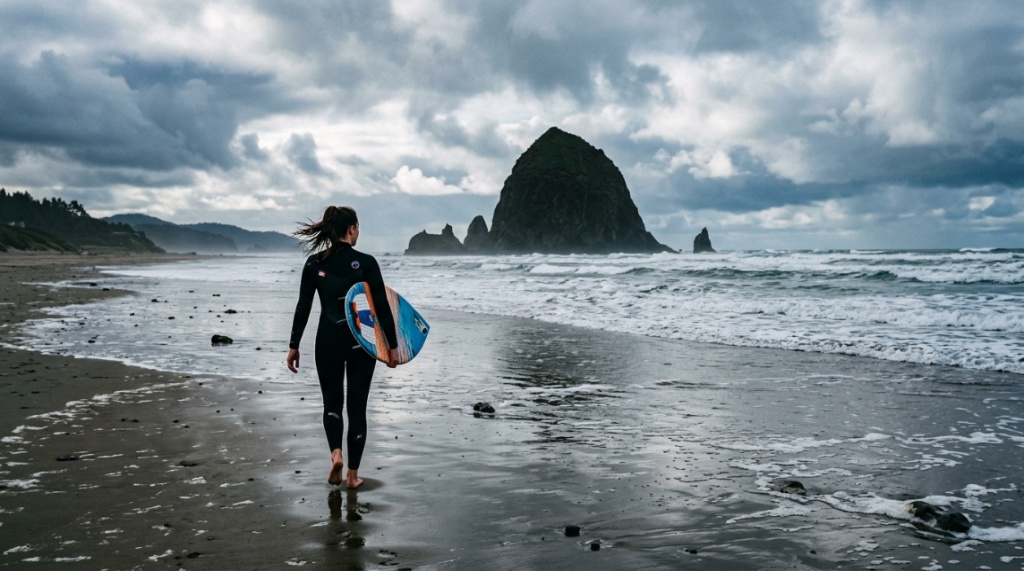
You’ve packed your wet suit, you’ve checked the tides at Agate Beach, and you’re ready to hit the sand. There’s just one problem: the board under your arm feels wrong. It’s too slow, too heavy, or it sinks like a rock the moment you hit the water. If you’ve ever felt that frustration, you are not alone. Oregon’s shoreline is uniquely demanding, with steep beach slopes, coarse wet sand, and powerful Pacific shore break that chews up cheap gear. Finding the perfect skimboard Oregon 2026 isn’t just about picking a cool graphic. It’s about matching your body type, your skill level, and the specific conditions of the Oregon coast to a board that actually performs. In this guide, you will learn exactly what to look for so your next session ends with smiles, not frustration.
What Makes Oregon Skimboarding Different from Other Regions?
Oregon’s coastline creates a distinct skimboarding environment that differs significantly from the gentle, flat beaches of Florida or the steep, barrel-heavy breaks of California. The combination of cold water, unique sand composition, and aggressive wave patterns demands a board built for specific handling characteristics.
The Wet Sand Factor
Oregon beaches often feature compact, wet sand that feels almost like concrete. This is excellent for speed generation, but it also means your board needs a bottom contour that glides efficiently rather than sticking. A flat rocker profile works best here, as it reduces friction and allows you to maintain momentum across long stretches of damp sand before hitting the wave.
Shore Break and Wave Power
The Pacific Ocean delivers consistent, powerful shore break waves in Oregon, particularly at spots like Cannon Beach and Pacific City. These waves are steep, fast, and often close out quickly. You need a board with enough volume and rocker to handle steep drops without nose-diving. A board designed for small, mushy waves simply won’t cut it here.
Cold Water and Gear Compatibility
Water temperatures in Oregon rarely climb above 55°F (13°C), even in summer. This means you will be wearing a thick wetsuit, boots, and gloves. Your skimboard needs to have enough buoyancy and length to compensate for the restricted movement and extra weight of cold-water gear. A smaller, thinner board becomes almost unusable in these conditions.
Which Skimboard Size Should You Choose for Oregon Waves?
Size is the single most important factor when selecting a board for Oregon. The rule of thumb is to go larger than you think you need. For Oregon’s heavier waves, a board that is too short or too thin will sink under your weight or fail to generate enough speed to reach the wave face.
Length Recommendations by Rider Weight
If you weigh under 150 pounds, look for a board between 48 and 52 inches. Riders between 150 and 190 pounds should target 52 to 56 inches. Anyone over 190 pounds, especially when wearing a thick wetsuit, should consider a board 56 inches or longer. These longer lengths provide the stability and float needed for Oregon’s demanding conditions.
Thickness and Volume for Buoyancy
Thickness directly affects how much weight your board can support. For Oregon, aim for a board that is at least 0.75 inches thick for advanced riders, and up to 1.0 inch for beginners or larger riders. More volume translates to easier wave catching and better glide on rough water. A thick board also helps you paddle out through the break more efficiently.
Width and Stability for Steep Waves
A wider board offers better stability when taking off on steep waves. Look for a width of at least 20 inches. Narrow boards (under 19 inches) may feel agile, but they become unstable on Oregon’s steep, pitching waves, leading to frequent wipeouts. Wider boards also provide a better platform for sliding and turning on the face of the wave.
How Does Board Material Affect Performance in Oregon?
The material of your skimboard determines its durability, weight, and flex pattern. In Oregon, you face cold water, rocky sand, and frequent impacts from powerful waves. Choosing the right material is critical for both performance and longevity.
Wood vs. Foam vs. Carbon Fiber
Wood boards are heavy but offer unmatched strength. They are excellent for beginners who need durability while learning, but their weight makes them slow in the water. Foam boards are lighter and more buoyant, making them ideal for wave riding and tricks. Carbon fiber boards are the lightest and stiffest, offering maximum speed and response, but they come with a higher price tag and are less durable if you hit rocks.
Which Material Suits Oregon’s Conditions Best?
For Oregon’s combination of wet sand and powerful waves, a foam core board with a fiberglass or carbon fiber top sheet is the best compromise. It offers the buoyancy of foam, the durability of fiberglass, and enough stiffness to handle steep drops. Avoid heavy wood boards if you plan to ride waves regularly, as the extra weight will tire you out quickly.
Durability Considerations for Rocky Beaches
Many Oregon beaches have scattered rocks or shells in the sand. If you skim at spots like Seaside or Rockaway Beach, consider a board with a high-density foam core and a thick outer layer. Carbon fiber boards can crack on sharp rocks, while fiberglass boards are more forgiving under impact. A board with replaceable fins is also a smart choice, as fins take the most abuse.
What Rocker Profile Works Best for Oregon Waves?
Rocker refers to the curve of the board from nose to tail. It determines how the board handles on the water and during turns. Oregon’s steep waves require a specific rocker profile to prevent nose-diving and allow controlled descents.
Continuous Rocker for Steep Takeoffs
A continuous rocker, where the curve is smooth from tail to nose, is ideal for Oregon’s shore break. This profile allows you to ride down steep wave faces without catching the nose. The curve lifts the front of the board as you drop in, keeping you balanced and in control. Avoid flat rocker boards for wave riding, as they will pitch you forward.
Tail Rocker for Turning and Slashing
A board with pronounced tail rocker (curve near the back) is beneficial for making sharp turns on the wave face. This is useful on Oregon’s fast, bowling waves where you need to change direction quickly. Boards with less tail rocker are better for straight-line speed and sliding, which is more common on small, weak waves.
Nose Rocker for Paddling and Float
A slight nose rocker helps the board plane over the water during the approach and paddling. In Oregon, where waves can be choppy, a raised nose prevents the board from submarining when you hit a wave head-on. Too much nose rocker, however, makes the board feel slow and unresponsive on flat sand.
How to Choose the Right Fins for Your Oregon Skimboard
Fins provide traction and control when riding waves. In Oregon, where waves are powerful and often have steep drops, fins are not optional—they are essential for maintaining your line and performing turns.
Single Fin vs. Thruster Setup
A single fin setup offers a loose, skate-like feel and is great for slides and spins. However, on Oregon’s powerful waves, a thruster (three-fin) setup provides significantly more control and hold. The extra fins bite into the wave face, preventing the board from sliding out during hard turns. For most Oregon riders, a thruster is the better choice.
Fin Size and Material
Larger fins (4.5 to 5.0 inches) provide more hold and are better for bigger waves. Smaller fins (4.0 inches and under) allow for looser turns but may not provide enough grip on steep faces. Fiberglass fins offer a good balance of flex and strength, while plastic fins are more affordable but less responsive. For Oregon’s cold water, fiberglass or composite fins are recommended.
Removable Fins for Versatility
Investing in a board with removable fins (FCS or Future systems) allows you to swap fin setups based on conditions. Use larger fins for big, powerful waves and smaller fins for smaller, weaker days. This versatility is invaluable on the Oregon coast, where conditions can change dramatically from one beach to the next.
Which Skimboard Brands Are Best for Oregon Conditions?
Several brands specialize in boards designed for the specific challenges of the Pacific Northwest. Choosing a brand with a proven track record in cold-water, high-wave environments ensures you get a product that has been tested in conditions like yours.
Exile Skimboards
Exile offers a wide range of foam boards with various rocker profiles and fin setups. Their custom options allow you to specify exact dimensions and materials. The Exile EX0 and Exile Ultra models are popular choices for Oregon riders due to their excellent buoyancy and responsive handling in steep waves.
Zap Skimboards
Zap is one of the oldest and most respected brands in the sport. Their Pro and Ace models feature high-density foam cores and fiberglass top sheets. Zap boards are known for their durability and consistent performance in cold water. The Zap Wedge is a specific model designed for heavier riders and powerful waves.
Victoria Skimboards
Victoria focuses on high-end, performance-oriented boards often made with carbon fiber. Their Wave and Pro models are lightweight and stiff, offering exceptional speed and maneuverability. If you are an advanced rider looking for maximum performance in Oregon’s best waves, Victoria is worth considering, though the price is higher.
Surf Style and Local Custom Builders
Some riders prefer local custom builders who understand Oregon’s specific conditions. A custom board allows you to dial in exact dimensions, rocker, and materials. While more expensive, a custom board can be the perfect skimboard Oregon 2026 for riders with specific needs or unusual body types. You can explore more options and compare top-rated models at perfect skimboard Oregon 2026 to find boards that other Oregon riders trust.
Can Beginners Skimboard in Oregon?
Absolutely, but the learning curve is steeper than in warmer, gentler locations. Oregon’s conditions are less forgiving, so beginners need to be strategic about where and how they start. The right board can make the difference between a frustrating first session and a lifelong addiction.
Best Board for Beginners in Oregon
Beginners should prioritize a larger, thicker, and wider board. A foam board around 52 to 56 inches long with a thickness of at least 0.85 inches provides the stability and float needed to learn. Look for a board with a continuous rocker and a thruster fin setup. This combination offers the best balance of glide, stability, and control.
Where to Learn: Beginner-Friendly Beaches
Not all Oregon beaches are created equal for beginners. Agate Beach in Newport offers long, flat stretches of sand with gentle waves, perfect for learning to drop and glide. Seaside Beach also has forgiving conditions, especially during low tide. Avoid spots like Short Sands or Cape Kiwanda until you have solid wave-riding skills.
Common Mistakes Beginners Make
One of the biggest mistakes is buying a cheap, wooden board thinking it will be fine for learning. Wood boards are heavy and unforgiving, making wave riding much harder. Another mistake is starting on a board that is too small. Beginners often underestimate how much volume they need, leading to immediate frustration when the board sinks.
How to Maintain Your Skimboard for Oregon’s Climate
Oregon’s cold, wet environment can be harsh on skimboards. Proper maintenance extends the life of your board and ensures consistent performance. Saltwater, sand, and temperature changes all take a toll if you do not care for your equipment.
Rinsing and Drying After Each Session
Always rinse your board with fresh water immediately after a session. Saltwater corrodes fins and hardware, while sand acts like sandpaper on the bottom of the board. Dry the board with a towel and store it in a cool, dry place out of direct sunlight. Never leave your board in a hot car, as heat can delaminate foam cores.
Repairing Dings and Cracks
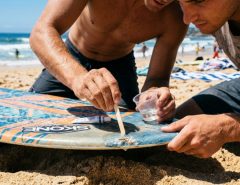
Oregon’s rocky sand can cause small dings and scratches. Repair these immediately using a skimboard repair kit or epoxy resin. Water that seeps into the foam core can cause delamination and significantly reduce the board’s performance. A small crack left unattended can become a major problem within a few sessions.
Fin and Hardware Checks
Check your fins and screws regularly for tightness. Loose fins can strip the threads or fall out during a session. Apply a small amount of waterproof grease to the screws to prevent corrosion. Replace any rusted or damaged hardware promptly. Proper maintenance keeps your board safe and responsive.
When Is the Best Time of Year to Skimboard in Oregon?
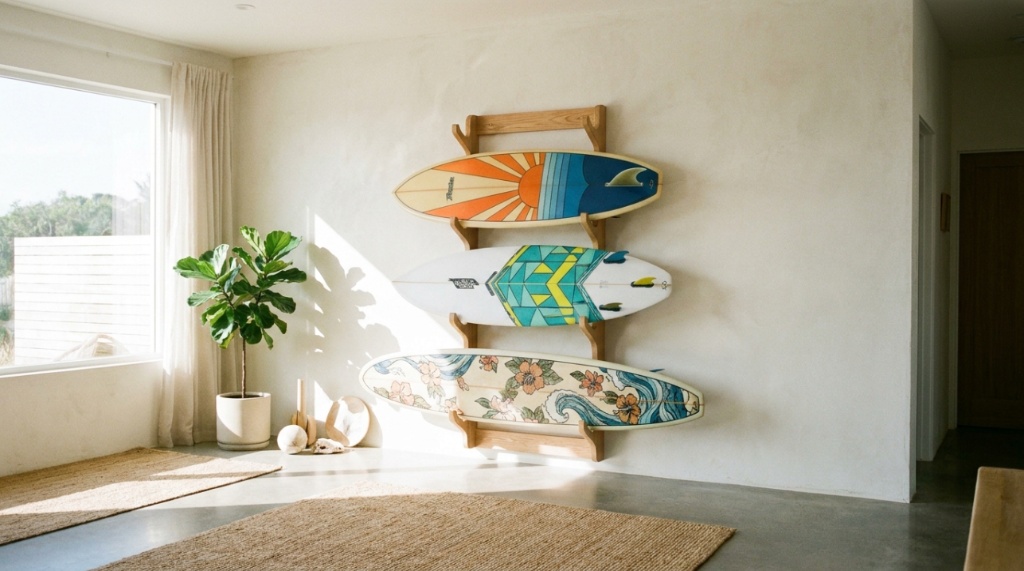
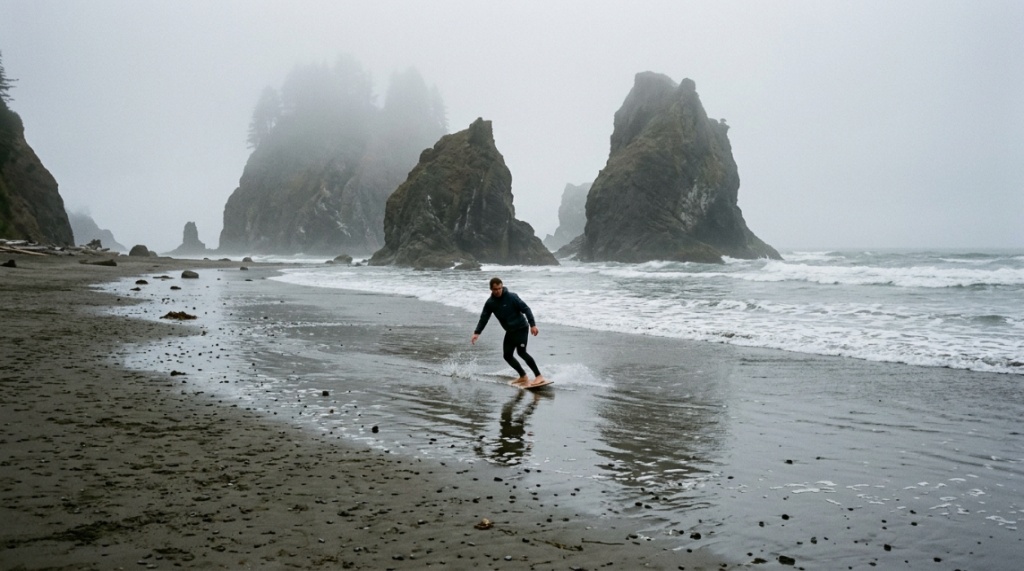
Oregon offers year-round skimboarding, but conditions vary dramatically by season. Understanding the seasonal patterns helps you choose the right board setup and plan your sessions for the best waves,Once you invest in high-quality gear, keeping it safe off the water is just as important as how it performs on it. Check out our guide on how to protect your Surfboard From Damage While Storing It Indoors to extend the lifespan of your boards.
Summer (June–August)
Summer brings smaller, weaker waves and warmer water (55–60°F). This is the best time for beginners and for practicing flatland tricks. Smaller swell means you can use a shorter, more maneuverable board if you prefer, though a larger board still offers more fun. Summer also has longer daylight hours and more accessible beach access.
Fall and Winter (September–February)
Fall and winter deliver the largest and most powerful waves of the year. This is prime time for experienced wave riders. Water temperatures drop into the 40s, and storms can create challenging conditions. A larger, thicker board with a more pronounced rocker is essential during this period. This is when the best skimboarding in Oregon happens, but it requires more skill and gear.
Spring (March–May)
Spring offers a mix of conditions, with occasional large swells and periods of small waves. This transitional season is great for practicing wave riding on moderate days. The water starts warming slightly, but still requires a full wetsuit. A medium-length board (52–54 inches) is a versatile choice for spring conditions.
What Is the Price Range for a Quality Oregon Skimboard?
Investing in a quality skimboard is essential for enjoying Oregon’s conditions. Prices vary widely based on materials, brand, and customization. Knowing what to expect helps you budget appropriately and avoid wasting money on low-quality boards.
Entry-Level Boards ($100–$250)
Entry-level boards are typically made of wood or basic foam. They are suitable for beginners learning to drop and glide on flat sand, but they struggle in waves. If you plan to ride waves seriously, budget for a higher-tier board. Entry-level boards often lack the volume and rocker needed for Oregon’s shore break.
Mid-Range Boards ($250–$500)
Mid-range boards usually feature foam cores with fiberglass or carbon fiber sheets. They offer good performance for intermediate riders and can handle Oregon’s waves reasonably well. Brands like Exile and Zap have strong offerings in this price range. Look for boards with removable fins and solid construction.
High-End Boards ($500–$1,000+)
High-end boards use premium materials like full carbon fiber, custom rocker profiles, and advanced fin systems. These boards offer the best speed, responsiveness, and durability. Advanced riders and those who skim frequently will find the investment worthwhile. Custom boards can exceed $1,000 but offer a tailored experience.
How to Test a Skimboard Before Buying in Oregon
If possible, try before you buy. Testing a board in actual Oregon conditions is the best way to know if it suits your style. Many local shops and rental services allow you to demo boards before committing to a purchase.
Local Skimboard Shops and Rentals
Shops in Lincoln City, Newport, and Cannon Beach sometimes offer rental or demo programs. Call ahead to see if they have boards you can test for a day. Renting a board for a session can save you from buying something that doesn’t match the conditions. It also gives you a chance to compare different sizes and materials.
Skimboard Events and Community Meetups
Oregon has a small but passionate skimboarding community. Events like the Oregon Skimboard Festival or informal gatherings at Agate Beach allow you to see other riders’ setups and ask questions. Many riders are happy to let you try their boards for a few runs in exchange for a friendly conversation.
Online Reviews and Forums
If you cannot test a board directly, read reviews from other Oregon riders. Forums like SkimOnline or the Oregon Skimboarding Facebook group are excellent resources. Look for specific mentions of how boards perform in Oregon’s sand and wave conditions. Detailed reviews often reveal pros and cons that manufacturer descriptions miss.
Frequently Asked Questions
Can I use a California-style skimboard in Oregon?
You can, but it may not perform optimally. California boards are often designed for smaller, weaker waves and warmer water. Oregon’s bigger waves and cold water typically require a larger, thicker board with more rocker and fin grip for better control.
Do I need a special wetsuit for skimboarding in Oregon?
Yes, a 4/3mm or 5/4mm wetsuit with boots and gloves is recommended for most of the year. Water temperatures rarely exceed 60°F, and winter temperatures drop into the 40s. A proper wetsuit keeps you warm and allows for longer sessions.
Is skimboarding easier than surfing in Oregon?
Skimboarding has a different learning curve. Dropping and gliding on flat sand is easier than paddling into waves, but wave riding in Oregon’s shore break can be more technical and require faster reflexes than traditional surfing. Both have their challenges.
How often should I replace my skimboard?
It depends on usage and care. With proper maintenance, a quality foam board can last several years. Replace your board when it shows signs of significant delamination, waterlogging, or structural damage. Beginners may outgrow their first board after one season as their skills improve.
What should I look for in a used skimboard for Oregon?
Check for cracks, delamination, and soft spots. Ensure the fins are intact and the hardware is not corroded. A used board should have enough volume for your weight. Avoid boards with deep gouges or water damage, as these will fail quickly in Oregon’s demanding conditions.
Can I skimboard on Oregon lakes or rivers?
Yes, flatwater skimboarding is possible on some lakes and calm river stretches. However, the sport is primarily designed for ocean beaches. Lake or river skimboarding requires different board characteristics, typically with less rocker and a flatter profile for maximum glide on smooth surfaces.
Do I need to wax my skimboard for Oregon conditions?
Waxing is not typically required for skimboarding, as most boards have a traction pad for your back foot and a smooth deck for your front foot. Some riders apply a small amount of wax for additional grip, but it is not standard practice and can make the board feel sticky on the sand.