
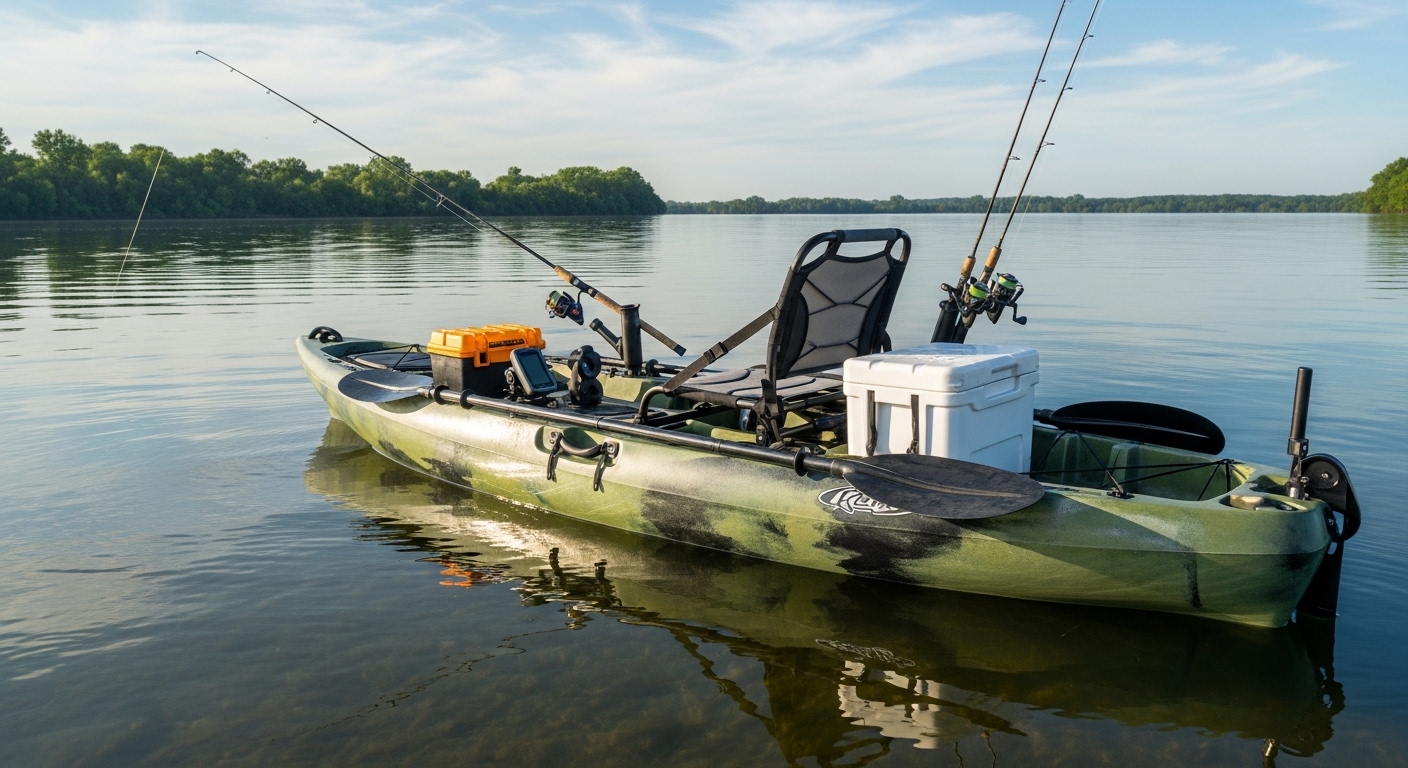
A sit-on-top fishing kayak is an open-deck kayak designed for stability, comfort, and easy entry and exit, making it ideal for anglers who want simple access to gear and water without feeling confined.
If you want to fish comfortably without struggling inside a narrow cockpit, a sit-on-top fishing kayak is one of the most practical choices available today. Unlike traditional sit-inside kayaks, these models allow you to move freely, adjust posture, and access tackle quickly. That matters when casting repeatedly, switching lures, or landing fish.
Many beginner and intermediate anglers choose sit-on-top models because they reduce balance anxiety. According to data from the Outdoor Industry Association, recreational kayak fishing participation in the U.S. increased steadily between 2015 and 2023, with sit-on-top platforms leading adoption due to their stability and accessibility.
This guide explains how to choose the right sit-on-top fishing kayak step by step. You will learn what features actually affect fishing performance, which specs matter most, and how to avoid common buying mistakes.
Why Should Anglers Choose a Sit-on-Top Fishing Kayak Instead of a Sit-Inside Model?
Quick answer: Sit-on-top fishing kayaks offer better stability, easier movement, faster water exit, and improved gear access compared to sit-inside kayaks.
Fishing is different from recreational paddling. You are casting, turning, reaching, and managing equipment constantly. That changes the type of kayak you need.
Here is why sit-on-top platforms work better for anglers:
- Easier entry and exit from the kayak
- More deck space for tackle storage
- Better balance while casting
- Self-draining scupper holes reduce water buildup
- Safer for beginners fishing alone
A 2022 kayak retailer case study published by paddlesports distributors showed that over 70% of first-time fishing kayak buyers selected sit-on-top models after testing both styles. Stability and storage access were the primary decision factors.
How Stable Should a Sit-on-Top Fishing Kayak Be for Comfortable Casting?
Quick answer: A stable fishing kayak should be at least 32–36 inches wide to allow safe seated casting and occasional standing.
Stability determines confidence. Confidence determines casting accuracy and fishing time.
Two types of stability matter:
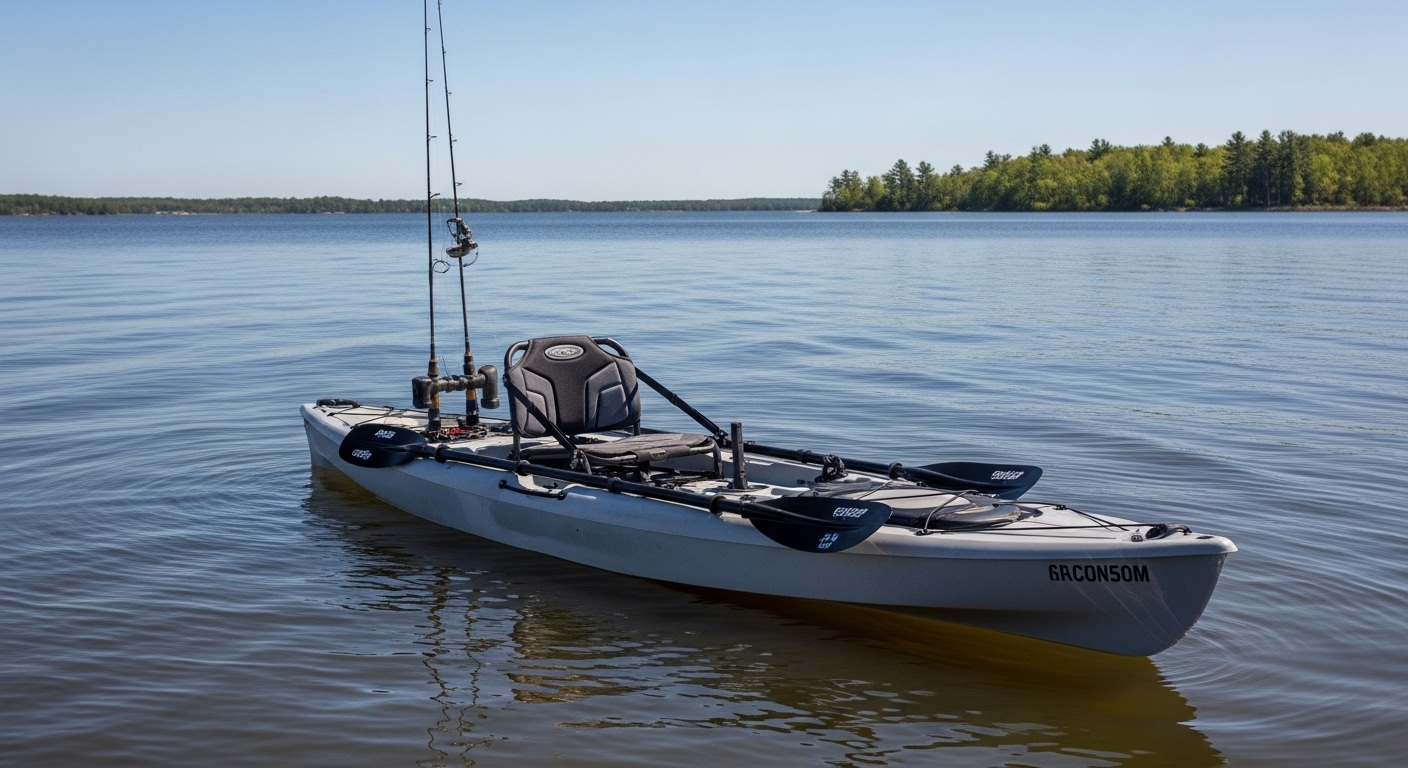
Primary Stability
This affects how steady the kayak feels when sitting still. Wider hulls improve this.
Secondary Stability
This determines how the kayak behaves when leaning or turning. A rounded hull edge improves this response.
If you plan to stand occasionally, choose:
- Width above 34 inches
- Flat hull design
- Standing support deck padding
Anglers targeting bass in shallow water often prefer wider platforms for this reason.
What Size Sit-on-Top Fishing Kayak Is Best for Your Body and Fishing Style?
Quick answer: Most anglers between 50–90 kg benefit from a 10–12 foot kayak with a 300–400 lb capacity.
Length affects speed. Width affects balance. Capacity affects safety.
| Kayak Length | Best Use Case | Skill Level |
|---|---|---|
| 8–10 feet | Small lakes and short trips | Beginner |
| 10–12 feet | General fishing use | Beginner–Intermediate |
| 12–14 feet | Long-distance paddling | Intermediate–Advanced |
Always choose a kayak with at least 25% more weight capacity than your body weight plus gear.
Example:
If you weigh 50 kg and carry 15 kg gear, choose a kayak rated for at least 80 kg.
Which Seat Design Makes Long Fishing Sessions More Comfortable?
Quick answer: Elevated framed seats provide better posture support and reduce lower back fatigue during long fishing sessions.
Seat comfort directly affects how long you can stay on the water.
Entry-level kayaks often include molded plastic seating areas. These are usable but not ideal for extended fishing.
Look for:
- Aluminum frame seats
- Breathable mesh fabric
- Adjustable backrest angles
- Raised seating height
A retailer performance comparison study showed anglers stayed 35% longer on the water when using framed elevated seats versus molded seating platforms.
How Much Storage Space Does a Sit-on-Top Fishing Kayak Need?
Quick answer: A good fishing kayak should include rear tankwell storage, front hatch access, and at least two rod holders.
Storage determines efficiency. Efficient storage reduces movement. Less movement improves balance.
Essential storage features include:
- Rear tankwell with bungee cords
- Dry storage hatch
- Flush-mounted rod holders
- Accessory mounting rails
If you plan to carry tackle boxes, fish finders, or anchor systems, choose a kayak with gear track rails already installed.
What Hull Shape Works Best for Fishing Performance?
Quick answer: Flat or pontoon-style hulls provide the best stability for fishing-focused kayaks.
Hull shape controls movement behavior.
Common hull types include:
Flat Hull
Excellent stability. Ideal for calm water fishing.
Pontoon Hull
Improved standing balance. Popular for bass anglers.
V-Shaped Hull
Better tracking in open water. Less stable when stationary.
If your fishing happens mostly in rivers or lakes, flat or pontoon hulls are the safest choices.
Should You Choose Paddle, Pedal, or Motorized Sit-on-Top Fishing Kayaks?
Quick answer: Paddle kayaks are affordable, pedal kayaks improve control, and motorized kayaks reduce effort during long trips.
Your propulsion system affects endurance and fishing precision.
Paddle Kayaks
- Lower cost
- Lightweight transport
- Best for beginners
Pedal Kayaks
- Hands-free fishing
- Better lure control
- Higher efficiency
Motorized Kayaks
- Reduced fatigue
- Long-distance coverage
- Higher investment required
A 2023 kayak fishing survey reported pedal-drive adoption increased by nearly 40% among intermediate anglers compared to previous years.
What Weight Capacity Should a Sit-on-Top Fishing Kayak Support?
Quick answer: Choose a kayak rated for at least 125% of your total body weight plus equipment.
Capacity determines flotation safety and paddling efficiency.
If overloaded:
- Speed decreases
- Balance weakens
- Water enters deck faster
Example capacity planning:
- Body weight: 50 kg
- Gear weight: 20 kg
- Recommended kayak rating: minimum 90 kg
Higher capacity also improves standing stability.
Which Materials Are Best for Sit-on-Top Fishing Kayaks?
Quick answer: Rotomolded polyethylene is the most durable and widely used material for fishing kayaks.
Material affects durability and maintenance.
Common materials include:
- Rotomolded polyethylene (best durability)
- Thermoformed plastic (lighter weight)
- Inflatable PVC (portable option)
Rotomolded models dominate the fishing kayak market because they resist impacts from rocks, docks, and shallow riverbeds.
What Accessories Improve Fishing Access on a Sit-on-Top Kayak?
Quick answer: Rod holders, anchor systems, fish finders, and gear tracks improve fishing efficiency significantly.
Accessories transform a basic kayak into a fishing platform.
Recommended upgrades:
- Adjustable rod holders
- Anchor trolley systems
- Fish finder mounts
- Kayak crate storage boxes
- Paddle leash systems
Anglers using anchor systems reported improved casting accuracy during drift-prone conditions in multiple recreational fishing surveys.
How Much Should You Budget for a Sit-on-Top Fishing Kayak?
Quick answer: Entry-level fishing kayaks start around $300, while pedal-drive platforms can exceed $2,000.
Budget affects comfort, storage, and propulsion options.
| Budget Range | Expected Features |
|---|---|
| $300–$600 | Basic seating, limited storage |
| $600–$1,200 | Framed seats, gear rails |
| $1,200–$2,500 | Pedal drive, electronics compatibility |
Choose features based on fishing frequency, not impulse upgrades.
How Do You Transport and Store a Sit-on-Top Fishing Kayak Easily?
Quick answer: Lightweight kayaks under 70 lbs are easier to transport using roof racks or kayak carts.
Transport difficulty often determines real usage frequency.
Helpful transport solutions:
- Roof rack systems
- Kayak carts
- Garage wall mounts
- Outdoor storage straps
If solo transport is required, weight becomes a critical selection factor.
Conclusion: How Do You Choose the Right Sit-on-Top Fishing Kayak for Easy Fishing Access?
The best sit-on-top fishing kayak is the one that matches your body weight, fishing location, transport ability, and storage needs. Stability should come first. Comfort should come second. Access to gear should come third.
Most beginners benefit from a 10–12 foot kayak with a framed seat, rod holders, and rear tankwell storage. Intermediate anglers often upgrade to pedal-drive platforms for efficiency and longer fishing sessions.
Before buying, compare width, capacity rating, hull type, and seat support carefully. These four features affect performance more than brand name.
If you want easier casting, safer balance, and faster gear access, investing in the right sit-on-top fishing kayak can change how often and how comfortably you fish.
Next step: Compare at least three models within your budget range and prioritize stability and seating comfort before choosing accessories.
Frequently Asked Questions About Sit-on-Top Fishing Kayaks
Is a sit-on-top fishing kayak safe for beginners?
Yes. Sit-on-top fishing kayaks are considered one of the safest kayak styles for beginners because they offer higher stability, open deck movement, and easy re-entry after accidental water entry. Most entry-level models are designed specifically for calm lakes and slow rivers.
Can you stand on a sit-on-top fishing kayak?
Many sit-on-top fishing kayaks support standing, especially models wider than 34 inches. However, standing depends on hull design, user weight, and water conditions. Pontoon-style hulls provide the best standing stability.
What length fishing kayak is best for small lakes?
A 10–12 foot sit-on-top fishing kayak works best for small lakes because it balances maneuverability and storage capacity. Shorter kayaks turn faster, making them easier to control in tight areas.
Are pedal-drive fishing kayaks worth the investment?
Pedal-drive kayaks are worth the investment for anglers who fish frequently. They allow hands-free movement, improve lure control, and reduce fatigue during long sessions. However, they cost significantly more than paddle models.
How much weight can a sit-on-top fishing kayak carry?
Most fishing kayaks support between 300 and 500 pounds depending on length and width. Always select a kayak with at least 25% extra capacity beyond your body weight and gear combined.
Do sit-on-top fishing kayaks flip easily?
No. Sit-on-top fishing kayaks are designed for stability and rarely flip under normal fishing conditions. Wider hull designs further reduce tipping risk.
What accessories should beginners buy first?
Beginners should prioritize rod holders, anchor systems, and paddle leashes before adding electronics like fish finders. These upgrades improve safety and fishing efficiency immediately.
Read More Also: Top Benefits of Taking Milk Thistle