

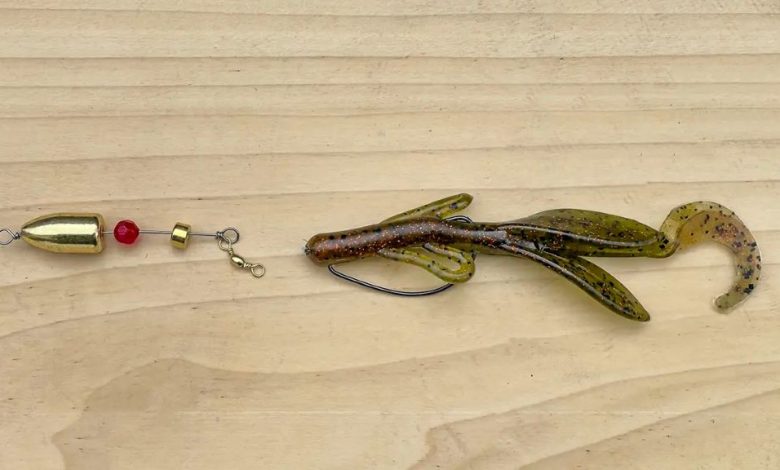
Understanding Carolina Rig Weight Options
Many anglers wonder whether they can use a bullet weight for their Carolina rig setup. The short answer is yes, but there are better options available. Carolina rigs traditionally use egg sinkers or barrel weights for optimal performance. However, bullet weights can work in certain situations. According to experts at Fishing Gear Shops, understanding your weight options helps you catch more fish and adapt to different fishing conditions.
Bullet weights have a streamlined design that cuts through water efficiently. They work well for Texas rigs because they slide easily through vegetation. Additionally, their pointed shape helps prevent snagging on underwater structure. However, Carolina rigs require different weight characteristics to maximize their effectiveness.
The Key Differences Between Rigging Styles
Before deciding on weight types, you should understand the difference between carolina and texas rig setups. Carolina rigs use a sliding weight system with a leader separating the weight from the bait. This setup allows the lure to move naturally along the bottom. Meanwhile, Texas rigs attach the weight directly to the line above the hook. Each technique serves different fishing scenarios and requires specific weight considerations.
The Carolina rig excels at covering large areas of bottom structure. Therefore, anglers prefer weights that create noise and attract fish from greater distances. The rig also benefits from weights that maintain constant bottom contact without getting stuck. These factors make traditional egg sinkers more suitable than bullet weights for most Carolina rig applications.
Why Egg Sinkers Work Best
Egg sinkers remain the gold standard for Carolina rigs for several compelling reasons. Their rounded shape rolls smoothly across rocky bottoms without lodging between crevices. Furthermore, the wide hole through the center allows the line to slide freely when fish bite. This free-sliding action gives bass confidence to take the bait without feeling resistance.
The rounded design also creates distinct clicking sounds against the glass or brass bead commonly used in Carolina rigs. These sounds attract curious bass from significant distances. However, bullet weights produce less noise because they lack the optimal shape for creating these fish-attracting vibrations. Bass often rely on sound to locate prey in murky water or low-light conditions.
When Bullet Weights Can Work
Despite egg sinkers being preferable, bullet weights can function adequately in specific scenarios. Sandy or muddy bottoms present fewer snagging hazards where bullet weights perform reasonably well. Additionally, calm waters with minimal current allow bullet weights to maintain bottom contact effectively. Some anglers successfully use bullet weights when fishing in heavily pressured waters where bass have seen standard Carolina rig presentations repeatedly.
Bullet weights also work when you need to make long casts with lighter tackle. Their aerodynamic shape cuts through air resistance better than egg sinkers. Therefore, tournament anglers sometimes use them to reach distant structure. However, you sacrifice some of the rig’s effectiveness in exchange for casting distance.
Alternative Weight Options
Beyond bullet and egg sinkers, several other weight styles suit Carolina rigs effectively. Barrel weights offer excellent performance with their cylindrical shape that rolls naturally across bottom structure. They produce good vibration and sound while maintaining reliable bottom contact. Moreover, tungsten versions provide greater sensitivity than lead weights of equivalent mass.
According to Bass Anglers Sportsman Society, tungsten weights have become increasingly popular among professional anglers. Tungsten’s density allows for smaller profile weights that still reach desired depths. This compact size reduces snagging while improving feel and sensitivity. However, tungsten costs significantly more than traditional lead weights.
Worm weights represent another viable option for Carolina rigs. These weights feature shapes specifically designed for soft plastic presentations. They typically have brass inserts that create appealing sounds against beads and swivels. Additionally, their design prevents line twist better than some bullet weight configurations.
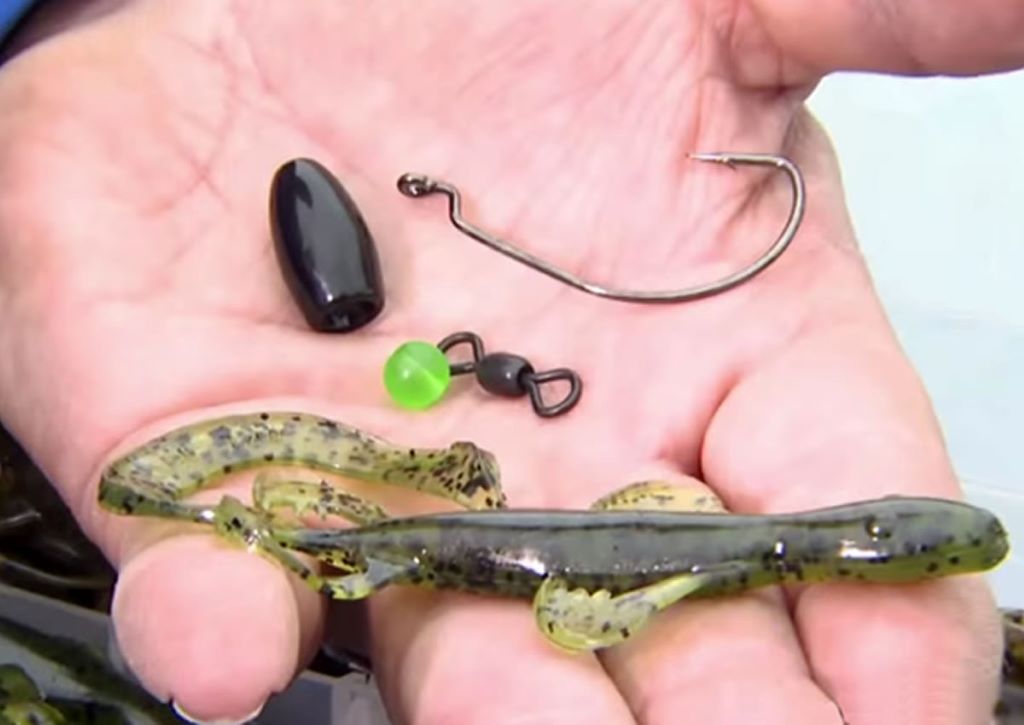
Proper Carolina Rig Setup
Building an effective Carolina rig requires attention to several key components beyond weight selection. Start by threading your chosen weight onto the main line. Next, add a glass or brass bead that creates noise against the weight. Then tie on a barrel swivel to prevent line twist and separate the weight from your leader.
The leader length typically ranges from eighteen inches to four feet depending on fish activity levels. Longer leaders work better when bass are feeding aggressively and willing to chase baits. Conversely, shorter leaders improve hookup ratios when fish are less active. Many experienced anglers use fluorocarbon leader material because it has low visibility underwater and excellent abrasion resistance.
Weight Selection Guidelines
Choosing the appropriate weight size depends on several environmental factors. Water depth represents the primary consideration when selecting weight size. Shallow water between five and fifteen feet typically requires weights from one quarter to three eighths of an ounce. Meanwhile, deeper water exceeding twenty feet often demands weights from three quarters to one full ounce.
Current strength also influences weight selection significantly. Strong currents require heavier weights to maintain bottom contact. However, excessive weight reduces the natural movement of your lure. Therefore, use the lightest weight that still reaches and stays on the bottom effectively. This approach maximizes lure action while maintaining proper depth.
Wind conditions affect weight choice as well. Windy days require slightly heavier weights to maintain casting accuracy and bottom contact. Additionally, the type of bottom structure matters when choosing weights. Rocky areas benefit from rounder weights that roll easily, while soft bottoms allow for various weight shapes.
Maximizing Your Carolina Rig Success
Proper retrieve technique matters as much as weight selection for Carolina rig effectiveness. Maintain constant bottom contact by keeping your rod tip low and reeling slowly. Periodically sweep your rod to move the weight and create noise. Then reel in slack line while lowering your rod tip back down. This sweeping motion helps you feel bites and cover water efficiently.
Pay attention to what your weight tells you about bottom composition. Different textures create distinct feelings through your rod and line. Sand feels smooth, while rocks create irregular bumps and taps. Moreover, vegetation produces a grabbing sensation that differs from other structures. Learning these subtle differences helps you identify productive fishing areas quickly.
Common Mistakes to Avoid
Many anglers make the error of using weights that are too heavy for their fishing conditions. Oversized weights reduce lure action and create unnatural presentations that spook wary fish. Furthermore, excessively heavy weights increase snagging frequency on complex bottom structures. Start with lighter weights and only increase size if you cannot maintain adequate bottom contact.
Another frequent mistake involves using leaders that are too short or too long. Short leaders limit lure movement and reduce the rig’s effectiveness. However, extremely long leaders make hooksets difficult and reduce sensitivity. Experiment with different leader lengths until you find what works best for current fishing conditions.
Conclusion
While you can technically use a bullet weight for a Carolina rig, egg sinkers and barrel weights deliver superior performance in most situations. The rounded shape of traditional Carolina rig weights creates better sound, reduces snagging, and maintains optimal bottom contact. However, bullet weights can work adequately in specific scenarios like sandy bottoms or when maximum casting distance is essential. Understanding the differences between weight types and matching them to fishing conditions helps you become a more versatile and successful angler. Ultimately, experimenting with various weights in different situations builds the experience needed to make informed decisions on the water.
Frequently Asked Questions
What size weight should I use for a Carolina rig?
Weight size depends on water depth and current. Use one quarter to three eighths ounce for shallow water under fifteen feet. For deeper water, switch to three quarters to one ounce weights. Always choose the lightest weight that maintains bottom contact.
Can I use a Carolina rig in heavy vegetation?
Carolina rigs work better in relatively open areas with scattered grass or rocky bottoms. Heavy vegetation causes frequent snagging due to the exposed weight and leader. For thick grass, Texas rigs or punch rigs perform more effectively.
What is the best leader length for a Carolina rig?
Most anglers use leaders between two and three feet long as a starting point. Active fish respond well to longer leaders up to four feet. When fish are less aggressive, shorten your leader to eighteen to twenty-four inches for better hookup ratios.
Should I use monofilament or fluorocarbon for my leader?
Fluorocarbon works best for Carolina rig leaders because of its low visibility and abrasion resistance. It also sinks faster than monofilament, helping keep your bait near the bottom. However, monofilament can work adequately in stained water conditions.
Do I need a bead between my weight and swivel?
Yes, beads serve important functions in Carolina rig setups. They protect your knot from damage caused by the weight sliding against the swivel. Additionally, glass or brass beads create clicking sounds that attract bass. Always include a bead in your Carolina rig configuration.
Related Topics:
How Do Magnetic Fields Interact With Ropes Containing Metallic Components?
