
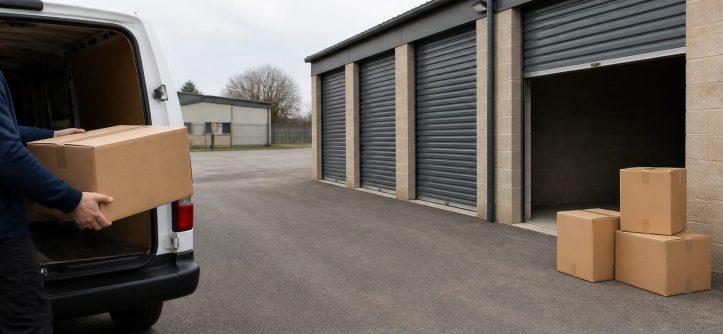
Storage facilities are essentially locked boxes to store belongings in but there are items that most facilities wont allow into their storage units. You would hate to turn up with a van load of boxes only to find out that you cannot store half of them.
Perishable Food and Anything That Rots
It is not uncommon for a single bag of rice or even an open pack of biscuits to trigger the need for a unit to be treated for infestation. All forms of food (fresh, frozen, dried or even tinned) can attract mice, insects and other creatures and once they have entered a unit they will not be confined to a single box or pack.
Flammable and Hazardous Substances
Flammable liquids including petrol, paraffin, gas canisters, paint solvents and fireworks are usually banned from self storage units as they can leak, give off fumes or even ignite within a storage unit. A unit full of cardboard and clothing is the perfect environment for a small spark to cause a large fire. For more information on the safe storage of flammable substances, please visit the RoSPA website (external link). Even small quantities of fuel or gas should be stored in a well ventilated area, specifically designed for the storage of such items and not in a sealed container within a self storage unit.
Illegal Items of Any Kind
Illegal Items of Any Kind: Stored goods must not be illegal in any way. Most facilities conduct random checks on stored goods and have the right to search a unit if they have reason to suspect that it may contain illegal items. This includes items such as stolen goods, illegal drugs and unlicensed weapons or ammunition. Even items that are legally held (such as firearms) and require a license to possess must be declared to the facility prior to storage and the facility informed of the relevant documentation.
Plants, Pets and Any Living Thing
A storage unit is dark, often has little ventilation and is left for long periods of time, which is bad for living things. That includes house plants as well as animals. If you have a lot of plants and are going to be delayed in moving into your new home, it would be better to leave them with a friend or relative for a few weeks rather than risking them in a storage unit.
Cash, Jewellery and Irreplaceable Documents
Most storage insurance policies do not cover cash and jewellery and where they do the limit is so low that it is not worth taking out the insurance. Also, things like passports, birth certificates and similar important documents should not be stored. These type of items are best left with you at home and it is worth remembering that if you are using a storage facility for business purposes then you will need to register the business storage address with Companies House and keep the relevant documents with your accountant.
Clinical and Chemical Waste
Sharp and chemical waste from medical practices, including old pool chemicals and garden pesticides, are not items to be stored in a self storage unit. These items must be disposed of in an appropriate and controlled manner through your local authority or by a licensed waste carrier.
Wet, Damp or Unaired Items
So remember to check if any items have been affected by damp before you put them into storage and also make sure that any furniture that you have stored outside for a long time has had a good few days to dry out before you pack it. Remember that items that have been affected by damp can cause problems in a storage unit very quickly. For example, they can develop mould and mildew within a short space of time, which in turn can spread to other items in the unit that are unaffected.
Items Needing Specialist Climate Control
Some items can be damaged by temperature changes or moisture in a standard unit. For example a guitar left in an unheated unit over winter could crack. Old film reels or tapes can also deteriorate in some storage environments.
Terms and Conditions for storage vary between individual facilities, so it’s best to check with them before booking your storage space. If you are considering Self Storage Swindon and are a small business looking to store stock, business equipment and documents for your new premises, you may find some useful advice on the use of storage from organisations such as the Federation of Small Businesses. You should also check with Swindon Council for any specific requirements your storage may need in relation to business premises and planning.
It’s always best to ring the storage facility in advance of your move date to establish whether there are any restrictions for items that you wish to store.