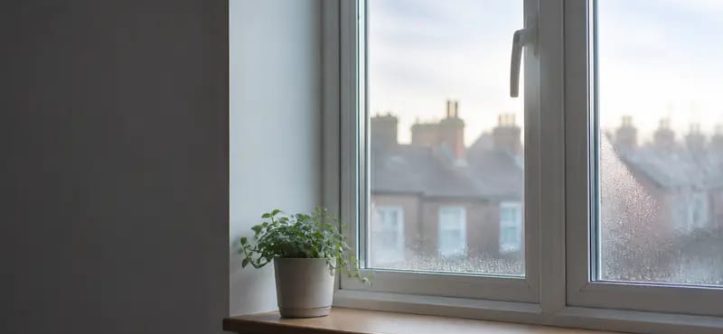
Most problems with condensation in double glazing appear as misty or wet patches on the glass. In most cases the problem can be resolved by making slight changes to the home. However, understanding where the condensation is forming and why will help you to work out whether it is an easy fix or if you need to call in an expert.
Three Different Places It Appears
There are three ways that condensation shows up on Double Glazed Windows. Firstly on the inside surface of the glass, caused by moist air from your home meeting a cold surface. Secondly on the outside surface of the glass, usually in the morning, as the glass surface cools down faster than the surrounding air. This can look similar to a car windscreen in the morning. Thirdly between the panes of glass, indicating that there must be some form of moisture within the sealed unit.
The Simple Science Behind It
Warm air holds moisture in the form of water vapour. When this air comes into contact with a cold surface the air will cool down to its dew point and the excess moisture will turn into water. This is why condensation forms on windows and this type of behaviour is identical to older single glazed windows running with water on cold mornings. Some efficient double glazed windows are also affected by condensation forming on the inside surface due to the room air being too damp.
Everyday Habits That Add Moisture
Much condensation occurs due to normal daily activities. Moisture in the air from cooking is released when a pan is cooked without a lid. Drying washing on radiators or indoor airers also releases moisture in the air. A long shower where the extractor fan has not been switched on and then the bath has been left to cool in the bathroom with the door open also releases moisture in the air. Even houseplants release moisture into the air and the simple act of breathing produces moisture which in turn forms condensation on cold surfaces.
Ventilation Fixes That Actually Work
However, condensation on the inside face of the glass is usually a relatively simple problem to cure with good ventilation. Open up your trickle vents (the small slots at the top of your window) and make sure that your extractor fans in the kitchen and bathroom are switched on for 15 – 20 minutes after you have finished using them for cooking and showering. Opening up a window for 10 minutes and then shutting it will also allow the damp air to escape and be replaced by drier air from outside. This simple action can sometimes make a huge difference to the amount of condensation that forms.
Why Moisture Between the Panes Is Different
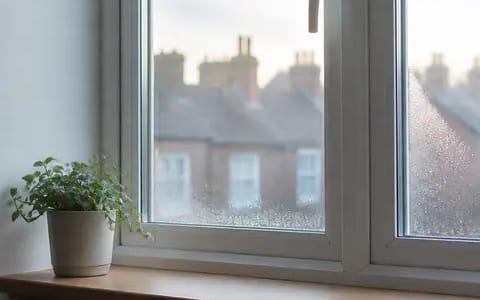
Condensation between the panes of sealed double-glazing units is not a problem caused by ventilation and so cannot be cured by increasing ventilation in your home. In double-glazing units, there is a small gap between the two panes of glass that is filled with air or a gas. This space is kept dry by a desiccant (drying agent) strip. The seal to the unit will fail with time due to age, exposure to UV light, or damage during fitting. When the seal to a unit fails, the unit becomes insecure and moist air penetrates the gap between the glass panes. The desiccant strip in the spacer bar will become saturated with moisture and the unit will mist permanently between the glass. This can not be cleared by cleaning or by opening windows.
Telling Normal Condensation From a Failed Seal
In terms of identifying normal condensation against seal failure it is a simple matter of looking at where the condensation is on the window and whether it goes anywhere. Condensation appearing on the inside face of the glass appears first thing in the morning and clears within a couple of hours. The misty appearance between the panes of a sealed unit appears as a hazy or streaky appearance and may appear dull and almost soiled in appearance. However, regardless of the amount of heating used in the property the condensation between the panes will never clear. Furthermore, when attempting to clean the inside of the glass the appearance on the other side of the glass will remain.
Small Habits That Cut Condensation Noticeably
You can solve most condensation problems by making a few minor changes to your daily habits and making sure that your home is properly ventilated. Cooking, drying clothes and having long baths or showers all produce large amounts of water vapour which must evaporate from your home. By opening a window for 10 minutes or so after a long shower or bath you will find that the moisture in the air will quickly evaporate and be replaced by drier air from outside. You can also use a dehumidifier to remove excess moisture from the air. For more information on how to remove excess moisture from your home and how it can cause damp and mould see the NHS website.
When It’s Worth Getting Windows Checked
If, despite being able to provide adequate ventilation within your home, condensation continues to occur on inside surfaces of sealed double glazing units or appears as haze or streaks between panes then it would be wise to get your glazing checked as soon as possible for failed seals. Although it is possible to repair failed unit seals some will require the affected pane(s) to be replaced as new. Help and advice regarding failed sealed double glazing units are provided by Choice Trade Frames as part of their Double Glazing Cardiff service.
Most misting can be cured by simply increasing ventilation in your home. Misting between the panes of a sealed unit is a different matter which will spread to other windows and should be cured as soon as possible.