

Cooking brings people together in meaningful ways beyond preparing meals. Local cooking clubs combine learning, friendship, and creativity through shared kitchen experiences. Recent community cooking programs report satisfaction rates above 90%, while many participants also improve cooking confidence. Furthermore, hands on group sessions encourage healthier habits, stronger social connections, and greater confidence inside the kitchen, making cooking clubs an excellent community activity.
Why Local Cooking Clubs Continue to Grow
People increasingly seek activities that combine practical skills with enjoyable social experiences. Cooking clubs meet both needs through regular gatherings and collaborative learning.
Many clubs welcome beginners alongside experienced home cooks. Therefore, every member can learn without feeling pressured or judged.
Cooking together creates natural conversations while preparing delicious meals. As a result, friendships often develop faster than through traditional social events.
Members also appreciate learning recipes they can recreate at home. Consequently, every meeting provides lasting value beyond the event itself.
Learn Practical Cooking Skills
Build Kitchen Confidence
Many people hesitate to cook unfamiliar dishes independently. However, club sessions provide supportive environments where mistakes become valuable learning opportunities.
Watching experienced members demonstrate techniques improves understanding quickly. Moreover, practicing immediately helps reinforce every new skill.
Simple cooking methods become easier through repeated practice. Eventually, members prepare meals with greater confidence and consistency.
Master Essential Techniques
Cooking clubs often cover knife handling, seasoning, baking, grilling, and meal preparation. Therefore, members gain balanced culinary knowledge over time.
Learning proper food preparation also improves kitchen efficiency. Consequently, cooking becomes faster and more enjoyable every week.
Expand Your Recipe Collection
Preparing identical meals repeatedly becomes boring after several weeks. Cooking clubs introduce fresh ideas from different cultures and traditions.
Members regularly exchange family recipes with unique personal touches. Additionally, seasonal ingredients inspire creative dishes throughout the year.
Trying unfamiliar foods broadens personal taste preferences naturally. As a result, home meals become more exciting and nutritious.
Recipe sharing also encourages experimentation with available ingredients. Therefore, food waste often decreases because members learn creative substitutions.
Meet New People
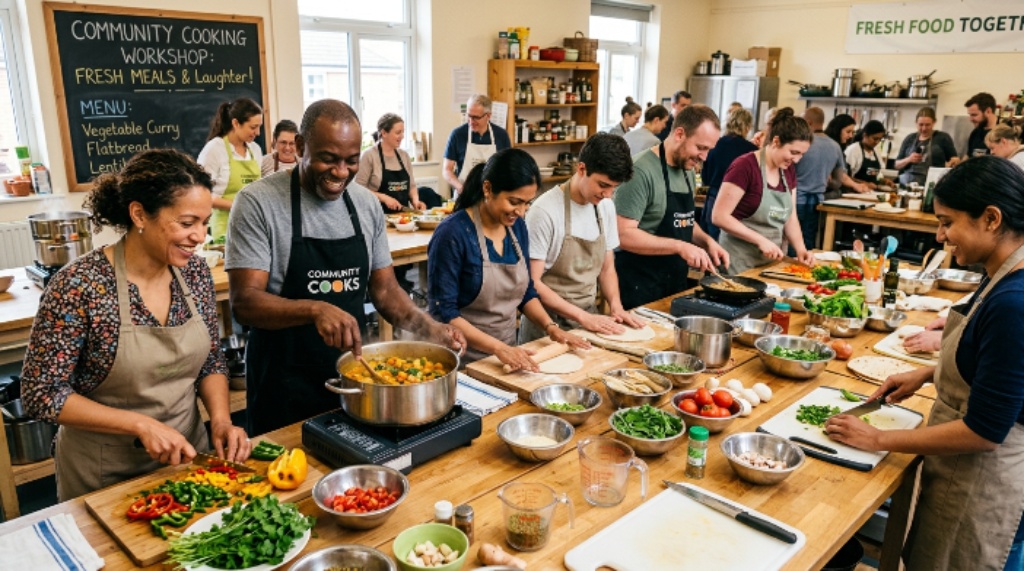
Making friends as an adult sometimes feels surprisingly difficult. Fortunately, cooking creates relaxed opportunities for genuine conversations.
Everyone works toward preparing successful meals together. Consequently, teamwork develops naturally without awkward introductions.
Shared achievements strengthen relationships among participants. Moreover, celebrating finished dishes creates memorable experiences for every member.
Many clubs organize additional social gatherings outside regular meetings. Therefore, friendships often continue beyond the kitchen.
Improve Healthy Eating Habits
Cooking from scratch gives greater control over ingredients and portion sizes. Consequently, healthier meals become easier to prepare consistently.
Members learn practical ways to reduce unnecessary sugar, salt, and processed ingredients. Furthermore, balanced recipes remain flavorful without sacrificing enjoyment.
Nutrition discussions often accompany cooking demonstrations. Therefore, members better understand ingredient choices and healthier cooking methods.
Healthy cooking habits usually spread throughout entire households. As a result, families also benefit from club participation.
Save Money Through Smarter Cooking
Restaurant meals often cost significantly more than homemade alternatives. Cooking clubs demonstrate affordable recipes using everyday ingredients.
Members discover budget friendly meal planning strategies during group discussions. Consequently, grocery spending becomes more efficient over time.
Learning ingredient substitutions prevents unnecessary purchases. Additionally, leftovers receive creative new purposes instead of being discarded.
Bulk ingredient purchasing sometimes reduces overall costs for members. Therefore, club participation may support long term household savings.
Discover Different Food Cultures
Cooking clubs frequently explore recipes from around the world. Consequently, members experience global cuisines without extensive travel.
Preparing traditional dishes teaches valuable cultural traditions alongside cooking techniques. Furthermore, members appreciate the stories behind family recipes.
Food creates meaningful cultural understanding through shared experiences. Therefore, every session becomes both educational and enjoyable.
Trying authentic regional flavors also encourages culinary curiosity. As a result, members become more adventurous home cooks.
Strengthen Communication Skills
Cooking requires teamwork, planning, and effective communication between participants. Consequently, members naturally improve interpersonal abilities.
Sharing responsibilities teaches cooperation during meal preparation. Additionally, problem solving becomes easier through collaborative thinking.
Leadership opportunities often rotate between members. Therefore, everyone develops organizational and communication confidence.
These valuable skills also transfer into workplaces and daily life. As a result, cooking clubs support personal development beyond culinary knowledge.
Reduce Stress Through Creative Activities
Cooking encourages mindfulness because attention stays focused on preparation steps. Consequently, everyday worries temporarily fade into the background.
Pleasant aromas and hands on activities create relaxing experiences. Furthermore, laughter and conversation improve emotional wellbeing.
Completing delicious meals provides genuine satisfaction after every session. Therefore, members often leave feeling refreshed and accomplished.
Regular participation creates positive weekly routines. As a result, many people look forward to every meeting.
Build Confidence Through Achievement
Learning challenging recipes builds confidence one success at a time. Every completed dish represents visible progress and practical improvement.
Positive feedback from fellow members encourages continued learning. Moreover, celebrating achievements motivates participants to explore more advanced recipes.
Confidence gained inside the kitchen often influences other personal goals. Consequently, members become more willing to learn new skills elsewhere.
Enjoy Family Friendly Activities
Many cooking clubs welcome parents, children, and grandparents together. Therefore, families strengthen relationships while preparing meals.
Children learn valuable life skills through enjoyable practical experiences. Additionally, shared cooking encourages healthier eating habits from an early age.
Family cooking traditions become easier to preserve through regular practice. Consequently, meaningful memories develop around shared meals.
Cooking together also improves household cooperation. As a result, everyday meal preparation becomes less stressful.
Support Local Communities
Local cooking clubs often purchase ingredients from nearby producers and markets. Therefore, participation may strengthen neighbourhood businesses.
Community events frequently include food drives, fundraising dinners, and educational workshops. Furthermore, members contribute valuable volunteer support.
Cooking clubs encourage stronger neighbourhood connections through regular gatherings. Consequently, communities become more welcoming and connected.
Shared meals also create opportunities to help others during special events. As a result, members experience both personal and community benefits.
What to Expect During Your First Meeting
Most clubs warmly welcome new participants regardless of experience. Therefore, beginners should feel comfortable attending their first session.
Typical meetings include introductions, cooking demonstrations, group preparation, and shared dining. Additionally, members discuss recipes and cooking tips throughout the event.
Bringing curiosity matters more than advanced culinary knowledge. Consequently, everyone contributes while continuing to learn.
Comfortable clothing and positive attitudes usually complete the preparation. As a result, newcomers quickly become active participants.

Tips for Getting the Most From Your Cooking Club
- Attend meetings consistently to build skills steadily.
- Ask questions whenever techniques seem unfamiliar.
- Volunteer for different cooking responsibilities regularly.
- Practice learned recipes between club meetings.
- Share family recipes with fellow members.
- Keep notes about useful cooking techniques.
- Remain open to trying unfamiliar ingredients.
- Encourage other beginners with positive feedback.
Choosing the Right Local Cooking Club
Different clubs focus on different interests and experience levels. Therefore, identifying personal goals helps narrow available options.
Some groups specialize in baking, international cuisine, or healthy meals. Meanwhile, others emphasize social interaction and community events.
Meeting schedules should match personal availability comfortably. Additionally, convenient locations encourage long term participation.
Friendly members and welcoming environments often matter most. Consequently, visiting a trial session can simplify the decision.
Conclusion
Joining a local cooking club offers far more than learning new recipes. Members develop cooking skills, lasting friendships, healthier habits, stronger confidence, and valuable community connections through enjoyable shared experiences. Whether you are a beginner or an experienced home cook, a welcoming cooking club can enrich both your kitchen abilities and your social life. Find a nearby group, attend your first meeting, and discover how cooking together creates memorable experiences that last well beyond every shared meal.
FAQs
Is a local cooking club suitable for beginners?
Yes, most local cooking clubs warmly welcome beginners and provide supportive learning environments.
How often do cooking clubs usually meet?
Most clubs meet weekly or monthly depending on member preferences.
Do I need expensive cooking equipment?
No, clubs usually provide the necessary equipment during organized sessions.
Can families join local cooking clubs?
Yes, many clubs offer family friendly activities for participants of different ages.
What should I bring to my first cooking club meeting?
Bring a positive attitude, comfortable clothing, and a willingness to learn.