
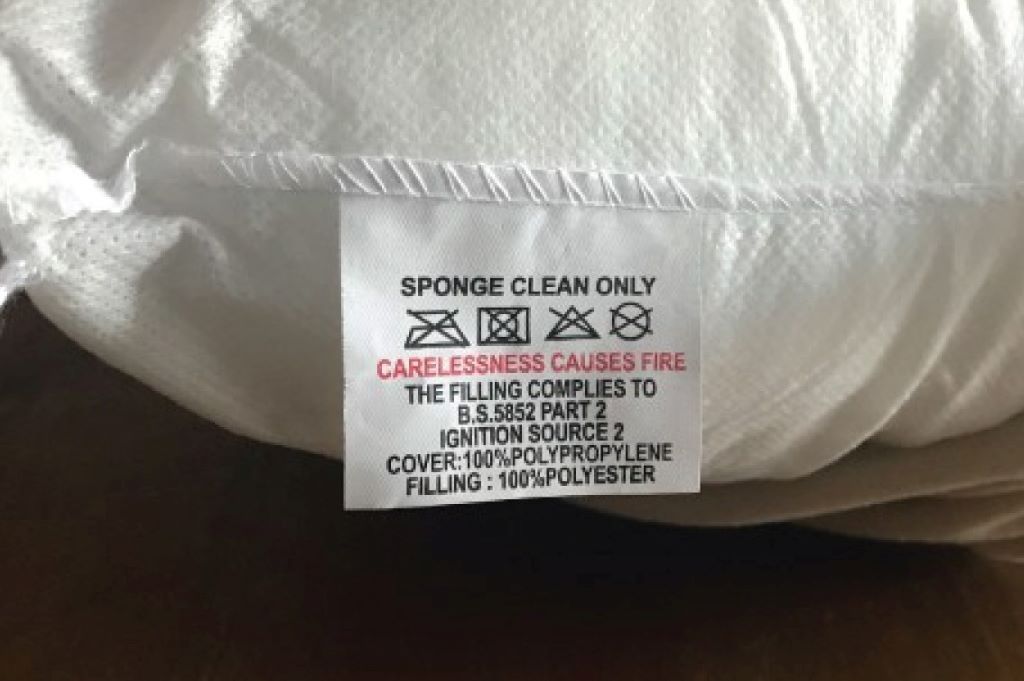
When you shop for a pillow, the labels might seem like a confusing jumble of abbreviations, materials, and care instructions. Yet, understanding these labels can save you from poor sleep, allergies, or a pillow that falls apart within months. Learning how to read pillow labels and what they really mean helps you make informed choices, improving both your comfort and health.
Pillow labels provide crucial information about materials, fill power, care instructions, and safety standards. According to a 2023 study by the Sleep Foundation, nearly 45% of consumers don’t fully understand pillow labels, often leading to regretful purchases. This confusion stems from industry jargon, inconsistent labeling practices, and unfamiliar terms. This article unpacks those labels and explains how to interpret them, so you buy a pillow that fits your needs perfectly.
Understanding Pillow Fill Materials
The most critical part of a pillow label reveals the fill material. Common fillings include down, feather, memory foam, polyester, and latex. Each fill type has unique properties affecting comfort, durability, and allergies.
- Down and Feather: Labels stating “100% down” mean the pillow contains the soft, fluffy undercoating of ducks or geese, prized for its luxurious softness. However, “feather” means a firmer feel with more quills, which might poke through fabric. Industry standards, like those from the International Down and Feather Bureau, regulate labeling, but many consumers confuse down with feather. Down is often more expensive and hypoallergenic if properly cleaned.
- Memory Foam: The label might say “viscoelastic foam” or “memory foam.” This material contours to the head and neck, reducing pressure points. The density of memory foam, sometimes listed on labels, affects support. Higher density foam (around 4-5 lb/ft³) lasts longer but may retain heat. Studies indicate memory foam pillows can reduce neck pain by 30% compared to traditional pillows.
- Polyester: Synthetic fibers like polyester fill pillows labeled as “polyfill” or “fiberfill.” These tend to be budget-friendly and allergy-resistant but compress faster than natural fills. Labels may specify “microfiber” or “hollow fiber,” which can feel softer.
- Latex: Natural or synthetic latex offers a resilient, bouncy feel. The label should indicate “natural latex” or “synthetic latex,” as natural latex tends to be more durable and breathable. Latex pillows often come with certifications like Oeko-Tex Standard 100, ensuring no harmful chemicals.
Decoding Thread Count and Fabric Composition
Many pillow labels include the fabric material and thread count, which impacts durability and comfort. A higher thread count generally means a softer and more tightly woven cover, but the label must be clear.
For example, a label stating “100% cotton, 300 thread count” suggests a breathable, durable pillow cover. However, some pillows use blends like polyester-cotton, which feel different. According to textile experts, a thread count between 200 and 400 is ideal for pillow covers, balancing softness and durability.
Labels sometimes include treatments like “anti-microbial” or “hypoallergenic,” which indicate added fabric protection. These claims can be verified through certifications such as CertiPUR-US or Greenguard, ensuring chemical safety.
Care Instructions: What They Reveal About Durability
Care labels guide washing, drying, and maintenance, which directly affect pillow longevity. Knowing how to read these labels helps avoid damaging the pillow.
- Machine Washable: Labels stating “machine wash cold” or “gentle cycle” suggest the pillow can handle home washing, but only certain types, like polyester or some memory foam pillows with removable covers. Washing down pillows requires special care—using mild detergent and drying with tennis balls to fluff feathers.
- Spot Clean Only: If the label says “spot clean only,” this usually applies to memory foam or latex pillows. Washing them can degrade the foam’s structure.
- Drying Instructions: Some pillows specify “tumble dry low” or “air dry flat.” Overheating can damage foam or shrink covers. Proper drying also prevents mold growth—a critical point since pillows often harbor dust mites. The American Lung Association recommends regular pillow cleaning to reduce allergens.

Safety and Allergen Information
Labels sometimes feature symbols or text about fire retardants or allergens. Pillow manufacturers comply with flammability standards, like the U.S. Consumer Product Safety Commission’s requirements. Labels might say “meets flammability standards” or list specific chemicals used as fire barriers.
Allergy sufferers should look for “hypoallergenic” labels, but this term isn’t strictly regulated. Instead, look for certifications from allergy organizations or pillows made with naturally hypoallergenic materials like latex or down alternatives.
What Pillow Labels Don’t Tell You
Even the best labels leave out some information, such as durability over time or actual comfort level, which vary by user. Therefore, combining label knowledge with personal preference is vital. Reading reviews and testing pillows in-store can complement understanding labels.
Real-Life Examples
Consider a pillow label reading:
- Fill: 85% Down, 15% Feather
- Cover: 100% Cotton, 400 Thread Count
- Care: Machine wash cold, tumble dry low
- Certifications: Oeko-Tex Standard 100
This label suggests a high-quality down pillow with a breathable, soft cover and easy care. However, if you have allergies, the feather content might be problematic. Conversely, a label with “100% memory foam” and “spot clean only” indicates a supportive but less washable pillow.
FAQs
- How often should I check my pillow label?
Check when purchasing and before washing to avoid damage. - Are all hypoallergenic pillows safe for allergy sufferers?
Not necessarily; verify certifications for true allergen resistance. - What does “fill power” on a pillow label mean?
Fill power measures the fluffiness of down; higher values mean more loft and warmth. - Can I machine wash all pillows?
No, memory foam and latex pillows usually require spot cleaning. - Do pillow labels show how long a pillow lasts?
No, durability depends on materials and care. - What does “Oeko-Tex Standard 100” certification mean on a pillow label?
It ensures the pillow’s materials are free from harmful chemicals. - Are synthetic fills better for people with allergies?
Often yes, but natural hypoallergenic fills like latex also work well.
Final Thought
Knowing how to read pillow labels and what they really mean empowers you to select pillows tailored to your sleep style, health needs, and budget. Labels provide a roadmap through materials, care, and safety, but pairing this knowledge with personal preferences and expert advice is key. Investing time in understanding these labels ensures better rest and long-term satisfaction.
Choosing the right pillow is more than a luxury—it’s an investment in your well-being. Don’t let confusing labels stand in your way. Unlock the secrets hidden in pillow tags and transform your sleep experience today.
Read More:
THIS IS HOW YOU SHOULD DECORATE YOUR BED ROOM TO SLEEP BETTER


