Aquarium water hardness plays a crucial role in the health of your fish, invertebrates, and plants. Without the right balance of minerals, your aquatic life can suffer from stress, poor growth, and even disease. Understanding how to make aquarium water harder can help you create a stable and healthy environment. According to the Reef Aquarium Blog, maintaining proper water chemistry is one of the keys to a successful aquarium.
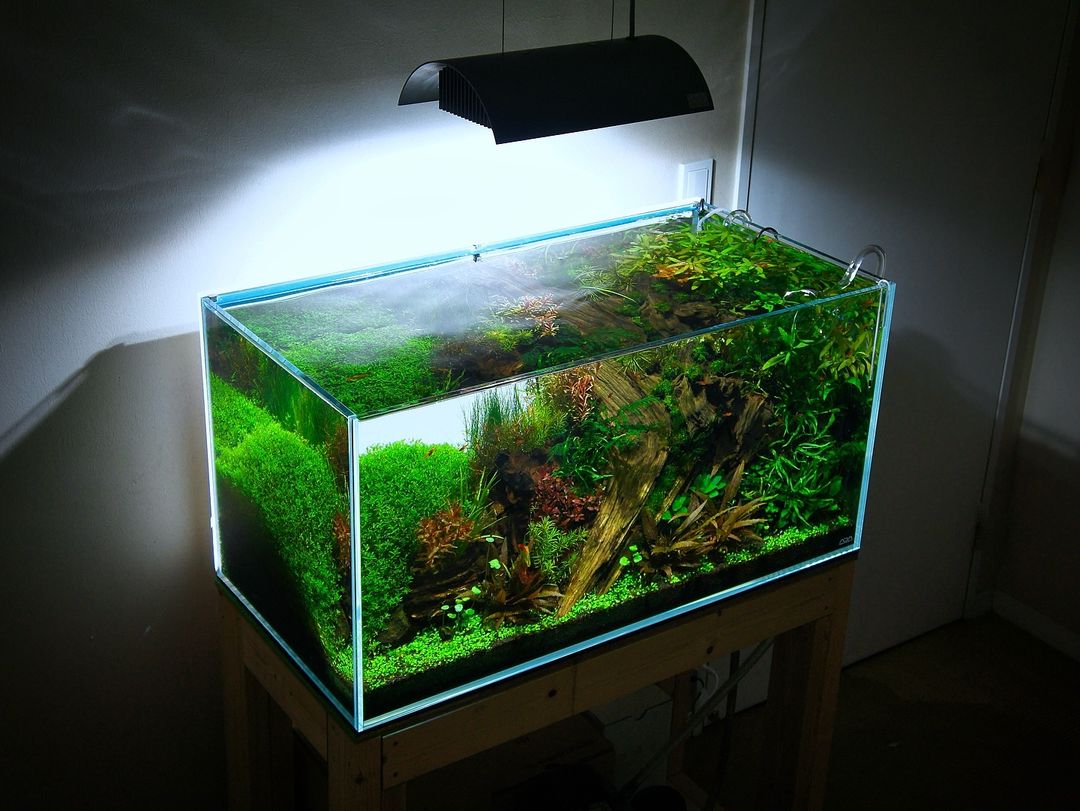
In this comprehensive guide, we’ll explore everything you need to know about water hardness, why it matters, and the best ways to adjust it for your specific tank needs. Shining a light on the subject: Do fish need aquarium lights? We’ll also discuss lighting essentials to keep your aquatic friends happy and healthy.
Understanding Aquarium Water Hardness
What is Water Hardness?
Water hardness refers to the concentration of dissolved minerals, primarily calcium and magnesium, in your aquarium water. It’s measured in degrees of General Hardness (dGH) or parts per million (ppm). The two main types of water hardness are:
- General Hardness (GH): Measures the total amount of calcium and magnesium ions. This affects fish health, plant growth, and biological functions.
- Carbonate Hardness (KH): Also known as alkalinity, KH stabilizes pH levels, preventing sudden fluctuations that can harm aquatic life.
Why is Water Hardness Important?
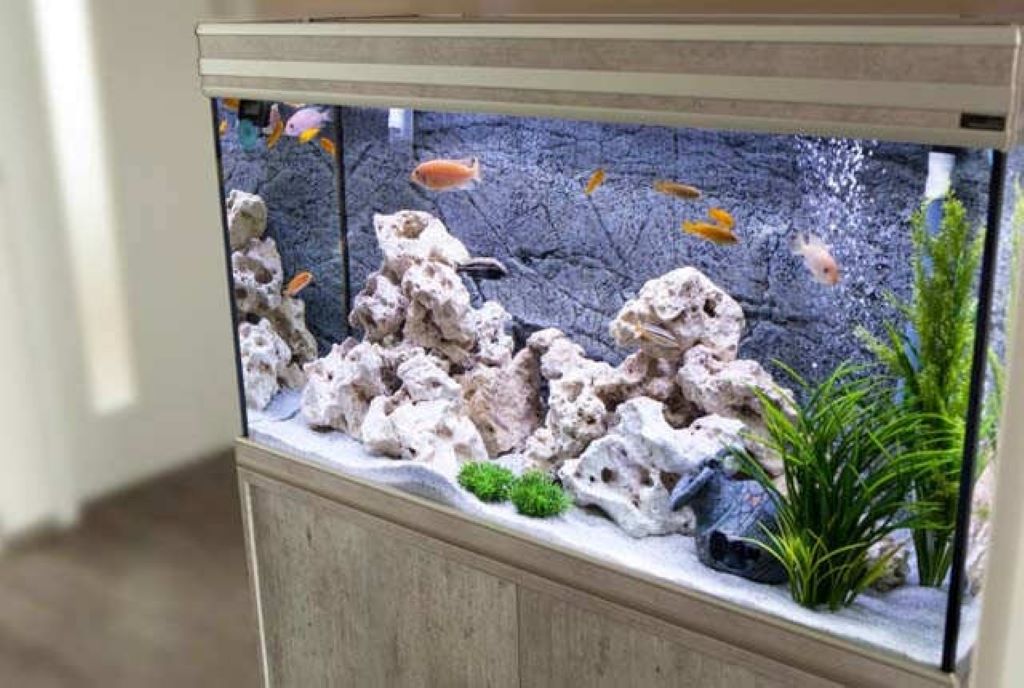
- Fish Health: Many fish species require specific GH and KH levels for optimal health. For example, African cichlids thrive in hard water, while tetras prefer soft water.
- pH Stability: Higher KH levels help maintain a stable pH, reducing the risk of dangerous fluctuations.
- Plant Growth: Some aquatic plants absorb minerals from the water, and the right hardness levels ensure they get proper nutrition.
How to Test Water Hardness in Your Aquarium
Before making adjustments, you need to test your aquarium water. Use a reliable liquid test kit or test strips to measure both GH and KH. A general guideline for freshwater aquariums is:
- Soft Water: 0-4 dGH (0-70 ppm)
- Moderately Hard Water: 5-12 dGH (70-200 ppm)
- Hard Water: 12+ dGH (200+ ppm)
Testing your tap water first is also a good idea, as some municipal supplies already contain high levels of minerals.
How to Make Aquarium Water Harder Naturally
-
Adding Crushed Coral
Crushed coral is one of the most effective natural ways to increase water hardness. It slowly dissolves, releasing calcium and carbonate into the water. Simply add it to your substrate or filter media for gradual mineral release.
- Best for: Raising both GH and KH
- How fast does it work? Takes several days to weeks to show results
-
Using Limestone or Dolomite Rock
Adding limestone or dolomite to your aquarium can increase hardness while enhancing the tank’s aesthetics. These rocks naturally release calcium and magnesium, raising GH levels.
- Best for: Hardwater fish species like cichlids
- How to use: Place in the tank or filter for gradual release
-
Incorporating Aragonite Sand
Aragonite sand, commonly used in marine and reef tanks, is another great option. It dissolves slowly, buffering pH while increasing water hardness.
- Best for: Cichlid tanks and marine aquariums
- Effect on pH: Raises pH slightly, helping to stabilize alkalinity
Using Additives to Increase Water Hardness
-
Adding Commercial Water Hardening Buffers
Aquarium stores sell specialized GH and KH buffers designed to quickly adjust hardness levels. These products work instantly but require regular dosing.
- Best for: Quick adjustments and emergency water balancing
- Caution: Overuse can cause sudden pH spikes
-
Using Baking Soda for KH
Baking soda (sodium bicarbonate) effectively raises KH levels, helping to stabilize pH. However, it does not affect GH.
- Dosage: 1 teaspoon per 5 gallons raises KH by ~1 dKH
- Warning: Always dissolve in water before adding to avoid shocking fish
-
Adding Epsom Salt (Magnesium Sulfate)
Epsom salt increases GH by adding magnesium. It’s commonly used in planted tanks where magnesium deficiency affects plant growth.
- Dosage: 1 teaspoon per 10 gallons
- Best for: Planted tanks and hardwater fish species
How Hard Should Aquarium Water Be?
Different fish species thrive in different water conditions. Here are ideal GH levels for common aquarium fish:
- Cichlids (African & Central American): 10-20 dGH
- Goldfish: 8-12 dGH
- Livebearers (Guppies, Mollies, Platies): 12-18 dGH
- Tetras & Discus: 2-8 dGH
If you’re keeping a reef tank, proper lighting is also essential. If you’re wondering how long should reef tank lights be on, stay tuned.
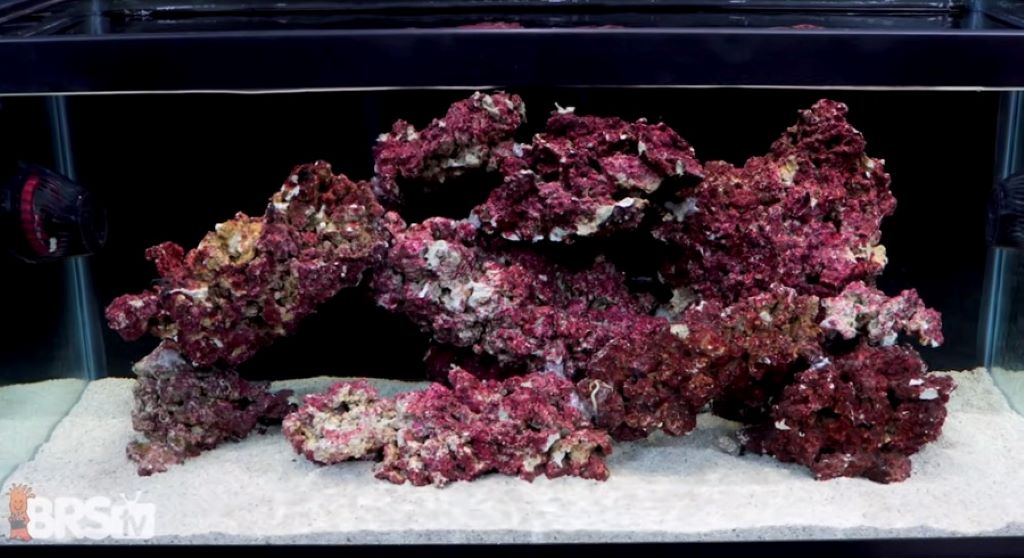
The Amazing Live Rock Benefits in Marine Aquariums: Why Every Tank Needs It
Final Tips for Maintaining Aquarium Water Hardness
- Regular Testing: Check GH and KH weekly to monitor stability.
- Gradual Adjustments: Sudden changes in water hardness can stress fish.
- Consistent Water Changes: Use mineral-rich water for water changes to maintain stable hardness.
- Monitor Fish Behavior: Unusual behavior, like gasping or lethargy, can indicate water imbalance.
Conclusion
Understanding how to make aquarium water harder is essential for creating a stable and healthy aquatic environment. Whether using natural methods like crushed coral or additives like baking soda, finding the right balance is key to keeping your fish and plants thriving. Regular testing and gradual adjustments will ensure a stable, long-term solution for maintaining optimal water hardness.
By following these expert-backed techniques, you’ll be well on your way to a thriving aquarium with happy, healthy fish.