
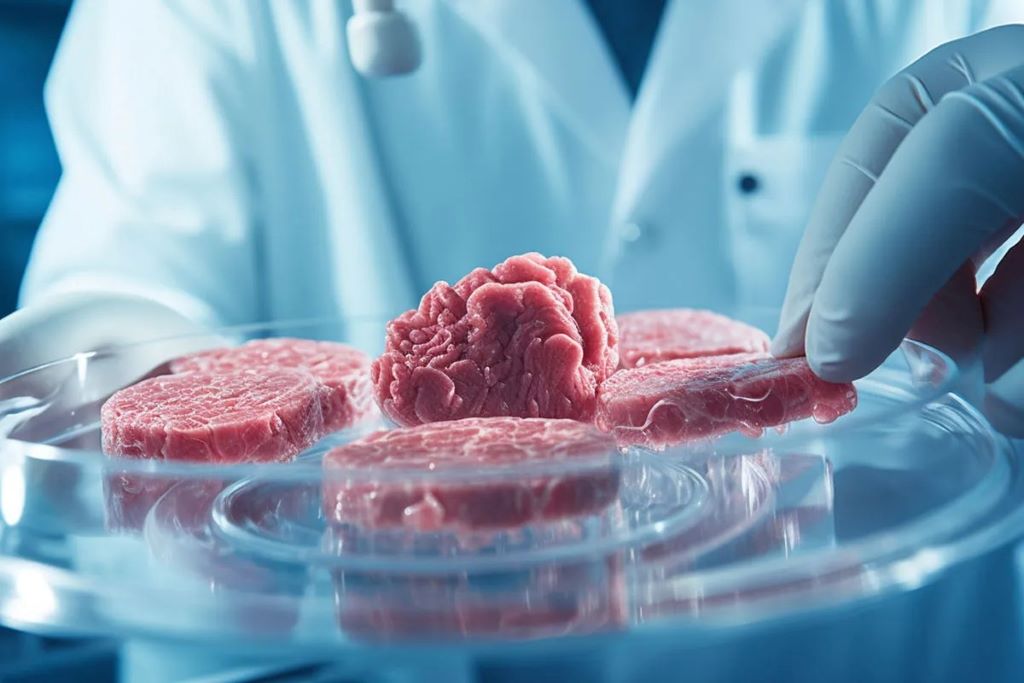
In a world where sustainability drives innovation, the Future Life Network explores cutting-edge solutions for our planet’s future. This includes how renewable energy powers the production of cultivated meat, a game-changer in food technology. As concerns about climate change grow, many wonder about the environmental impact of our food choices. Cultivated meat, also known as lab-grown meat, offers a promising alternative to traditional farming. By using renewable sources like solar and wind, this method aims to reduce emissions and resource use. This article delves into how renewable energy enhances cultivated meat production, making it a viable option for eco-conscious consumers.
Cultivated meat starts in labs where scientists grow animal cells into edible products. This process skips the need for raising livestock on vast lands. Instead, it relies on bioreactors and nutrient solutions. However, energy demands in these facilities can be high. That’s where renewable energy steps in. Solar panels and wind turbines provide clean power, cutting down on fossil fuels. Additionally, this integration lowers the overall carbon footprint. Many facilities now aim for net-zero operations through these green sources.
One key question arises: is lab grown meat better for the environment? Studies suggest yes, especially when powered by renewables. Traditional meat production contributes to deforestation and methane emissions. In contrast, lab-grown options use less land and water. Therefore, pairing it with solar or wind energy amplifies these benefits. This approach not only conserves resources but also aligns with global sustainability goals.
Understanding Cultivated Meat
Cultivated meat involves harvesting cells from animals without harm. These cells multiply in controlled environments. The result mimics traditional meat in taste and texture. Unlike plant-based alternatives, it provides real animal protein. This innovation addresses food security amid a growing population.
The production process requires precise conditions. Temperature, pH, and nutrients must be perfect. Bioreactors act like mini-factories for cell growth. However, energy for heating, cooling, and stirring adds up. Traditional grids often rely on coal or gas, which harms the planet. Renewable energy changes this dynamic. For instance, facilities in Singapore and Israel use solar power to run operations.
Moreover, scalability is crucial. As demand rises, energy needs will increase. Wind farms offer a reliable source in windy regions. Hydroelectric power suits areas near rivers. These options ensure consistent supply without environmental drawbacks. Transitioning to renewables also attracts investors focused on green tech.
The Environmental Impact of Traditional Meat
Traditional farming uses vast resources. Cattle require feed, water, and land. This leads to habitat loss and biodiversity decline. Methane from cows accelerates global warming. Additionally, runoff from farms pollutes rivers and oceans.
Statistics show livestock accounts for 14.5% of global emissions. That’s more than all transportation combined. Water usage is staggering too. Producing one kilogram of beef needs about 15,000 liters of water. In comparison, cultivated meat slashes these figures. Labs use up to 99% less land and 96% less water.
However, early cultivated meat production faced criticism for high energy use. Initial life-cycle assessments showed mixed results. But advancements have shifted the narrative. By incorporating renewables, the environmental edge becomes clear. Solar-powered labs in California demonstrate this progress.
How Renewable Energy Powers Production
Renewable energy integrates seamlessly into cultivated meat facilities. Solar panels on rooftops capture sunlight. This energy runs pumps and lights. Wind turbines generate power for larger operations. Even geothermal sources heat bioreactors efficiently.
Energy storage plays a key role. Batteries store excess power from sunny or windy days. This ensures uninterrupted production. Microgrids allow facilities to operate off the main grid. Therefore, they reduce reliance on unstable fossil fuels.
Case studies highlight success. A company in the Netherlands uses wind energy exclusively. Their output has doubled without increasing emissions. In the US, partnerships with solar firms lower costs. These examples show practicality and economic viability.
Additionally, government incentives boost adoption. Subsidies for renewables make the switch affordable. Policies in Europe mandate green energy for new food tech plants. This regulatory push accelerates change.

Benefits for the Environment
Switching to renewables in cultivated meat production offers multiple advantages. First, it cuts greenhouse gases. Fossil fuels release carbon dioxide. Renewables produce none during operation. Thus, the entire supply chain becomes cleaner.
Second, it conserves water. Traditional energy sources like coal plants guzzle water for cooling. Solar and wind use minimal amounts. This synergy enhances cultivated meat’s low-water profile.
Third, it promotes biodiversity. Less land for farms means more space for wildlife. Renewables often occupy marginal lands unsuitable for agriculture. Therefore, they minimize habitat disruption.
Furthermore, air quality improves. No pollutants from burning fuels mean healthier communities. Noise from wind turbines is low compared to factory farms’ operations.
Challenges and Solutions
Despite benefits, challenges exist. Initial setup costs for renewables are high. Small startups may struggle. However, prices for solar panels have dropped 89% since 2010. Financing options help bridge the gap.
Intermittency is another issue. Sun and wind aren’t constant. Advanced batteries and hybrid systems solve this. For example, combining solar with hydro ensures steady power.
Regulatory hurdles can slow progress. Some regions lack infrastructure for renewables. Advocacy and investment address these. International collaborations share best practices.
Technological improvements continue. Better bioreactors need less energy. AI optimizes power use in real-time. These innovations make the system more efficient.
Future Prospects
The future looks bright for renewable-powered cultivated meat. Market projections show growth to $25 billion by 2030. More companies enter the field, driving competition and innovation.
Consumer acceptance is rising. Surveys indicate willingness to try lab-grown products if eco-friendly. Education campaigns highlight benefits. Therefore, demand will fuel further adoption of renewables.
Global partnerships accelerate development. Organizations collaborate on research. This shared knowledge speeds up sustainable practices.
Policy changes support this shift. Carbon taxes discourage fossil fuels. Incentives reward green initiatives. These measures ensure long-term viability.
Conclusion
Renewable energy transforms cultivated meat into a sustainable powerhouse. It reduces emissions, conserves resources, and promotes biodiversity. While challenges remain, solutions are within reach. By embracing solar, wind, and other clean sources, this industry paves the way for a greener food system. Ultimately, it answers pressing environmental questions and offers hope for future generations.
Frequently Asked Questions
- What is cultivated meat? Cultivated meat is real animal meat grown from cells in a lab, without raising or slaughtering animals.
- How does renewable energy help in meat production? It provides clean power for bioreactors, reducing carbon emissions and resource use compared to fossil fuels.
- Is cultivated meat safe to eat? Yes, it undergoes rigorous testing and meets food safety standards, similar to traditional meat.
- What are the main renewable sources used? Solar, wind, and hydroelectric power are common, offering reliable and eco-friendly energy.
- Will cultivated meat replace traditional farming? It could complement it, providing options for sustainable protein as global demand grows.
Read More:
How Long Does Pasta Last in the Fridge? Safe Storage and Delicious Leftovers