
Key Takeaways
- Match the truck to your typical workload, passengers, terrain, and budget.
- Check both payload and towing ratings before hauling or towing.
- Choose the cab, bed length, engine, and drivetrain for your routine.
- Consider comfort, safety features, modifications, and garage space.
- Inspect used trucks carefully and review their service and recall history.
- Compare total ownership costs, not just the purchase price.
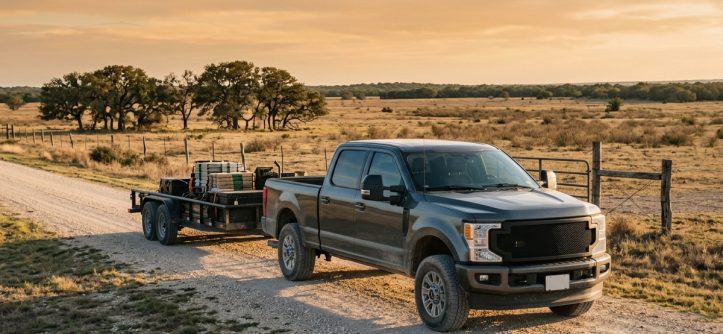
In Texas, a pickup may need to handle a jobsite in the morning, a long interstate drive in the afternoon, and a boat, livestock trailer, or camper on the weekend. Whether you are comparing new models or browsing TX car dealers, the best truck is not necessarily the largest one. It is the one that safely fits the work, passengers, roads, and budget you deal with most often.
From crowded Houston parking lots to rocky Hill Country driveways, Panhandle wind, and long distances between towns in West Texas, truck ownership is highly practical. Start with the normal workload, then leave a sensible margin for the occasional bigger task.
Start With the Job
Write down what the truck will do during a typical Texas week. That may include carrying tools, hauling feed, transporting landscaping equipment, towing a travel trailer, or simply taking children to school. Also consider the conditions where it will work. A truck used on paved Dallas-area roads has different needs from one that regularly travels ranch roads, muddy fields, or coastal areas where salt air can accelerate corrosion.
- List the heaviest cargo normally carried in the bed or cab.
- Identify the heaviest-loaded trailer, not just its empty weight.
- Count the people who need real, comfortable seating.
- Decide how often four-wheel drive will be genuinely useful.
Choose the Right Truck Size
Compact and midsize pickups can be a strong fit for light hauling, easier parking, and daily commuting. They may be especially appealing for drivers in Austin, San Antonio, Houston, or other areas where garages and parking spaces can feel tight. Full-size trucks generally offer more cab, bed, payload, and trailer options. Heavy-duty models are built for more demanding work, including frequent towing of large trailers or fifth-wheel setups.
Size affects more than capability. A larger truck can require more turning space, cost more to equip with tires, and feel less convenient at a grocery store or downtown work appointment. Buy the class that fits the routine, rather than paying for capacity that rarely gets used.
Check Payload and Towing Ratings
Towing capacity is the maximum trailer weight a properly equipped truck may pull. Payload is the weight carried by the truck itself, including passengers, cargo, accessories, and the trailer’s tongue or kingpin weight. This distinction matters because a truck can be under its advertised tow rating while exceeding its payload limit.
A Simple Towing Check
- Find the trailer’s loaded weight.
- Estimate the weight transferred to the truck by the hitch.
- Add passengers, tools, coolers, bed cargo, and aftermarket equipment.
- Compare that total with the payload label on the driver-side doorjamb.
- Confirm hitch ratings, trailer brakes, tires, axle limits, and owner’s manual instructions.
Texas summer heat, long grades, and sustained highway speeds can make a marginal setup feel less comfortable. Leave room in the numbers instead of planning around a best-case scenario.
Match the Cab and Bed to Your Routine
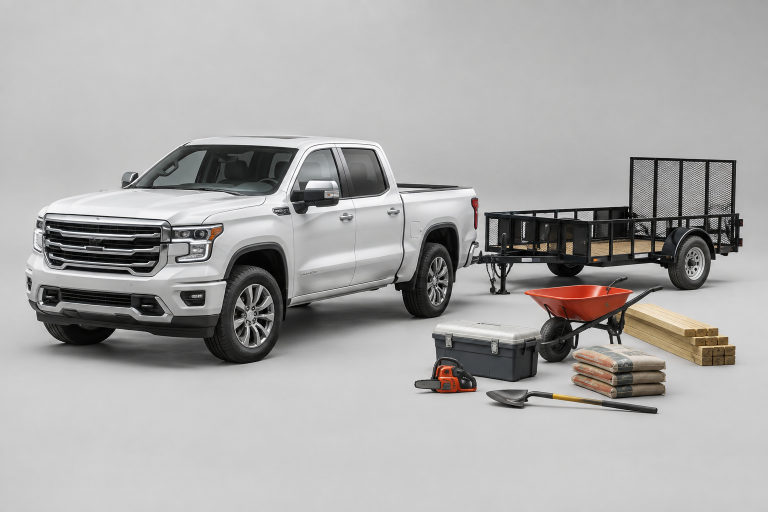
A regular cab can prioritize bed length and work space. An extended cab can provide occasional rear seating while keeping the truck shorter. A crew cab is often the practical choice for families, crews, and long road trips, but it may have a shorter bed in some configurations. Short beds are easier to maneuver, while long beds are useful for lumber, equipment, and larger loads.
For example, a family towing a camper from Central Texas to the Gulf Coast may value a crew cab and rear-seat comfort. A contractor hauling materials around Lubbock may place more value on a longer bed and a configuration that supports work gear every day.
Compare Engines and Drivetrains
Gasoline trucks suit many mixed-use owners, especially those who commute and tow occasionally. Diesel powertrains can make sense for frequent heavy towing and high-mileage use, although their purchase and maintenance costs should be considered. Hybrid trucks may offer useful efficiency in stop-and-go driving, while electric pickups deliver quick torque but require careful range planning when towing over Texas distances.
Two-wheel drive can reduce complexity and may be suitable for pavement-focused use. Four-wheel drive can be valuable on loose soil, steep ranch entrances, wet grass, and rough job sites. It is most worthwhile when the terrain actually calls for it.
Think About Daily Comfort
Test-drive the exact cab and trim you are considering. Check seat support, visibility around the hood and bed, rear-seat access, storage, phone integration, and the ease of getting in and out. Measure the garage before signing paperwork, particularly if the truck has a long bed, larger tires, or a lifted suspension.
Modifications should serve a purpose. Larger wheels, lift kits, heavy bumpers, and bed accessories can change ride quality, step-in height, handling, fuel use, and available payload.
Review Safety Features
Look for features that support the way you drive, including automatic emergency braking, blind-spot monitoring with trailer coverage, rear cross-traffic alert, lane-departure warnings, hitch guidance, and useful camera views. Do not assume all trims offer the same equipment. Before choosing a model, compare crash and crash-avoidance results for the specific truck and configuration whenever ratings are available.
Inspect Used Trucks Carefully
A used pickup deserves more than a quick walk-around. Review the vehicle history, inspect tire wear, look under the frame and bed, and check the hitch for heavy use or poor installation. Ask about towing history, repairs, modifications, and service records. On trucks from coastal Texas, inspect closely for rust or corrosion around the underbody, electrical connections, and trailer equipment.
Arrange an independent pre-purchase inspection, especially for a diesel, lifted truck, or vehicle with extensive accessories. Also, check open recalls by VIN before completing the purchase.
Calculate Total Ownership Costs
Look beyond the monthly payment. Include fuel or charging, insurance, taxes and registration, tires, brakes, routine service, towing equipment, and likely repair needs. A less expensive truck may end up costing more later if it needs premium tires, suspension repairs, or major catch-up maintenance. Conversely, a better-equipped truck can be worthwhile if it eliminates the need for repeated rentals or a second vehicle.
Final Thoughts
The right Texas pickup is the one that handles ordinary work confidently without becoming a burden on daily life. Compare real payload, loaded trailer weight, cab space, comfort, safety, and ownership costs before focusing on horsepower, badges, or appearance. A thoughtful match can make every commute, workday, ranch chore, and weekend getaway easier.