
Key Takeaways
- Choose a Boulder County home based on your daily routines, lifestyle, budget, and long-term needs.
- Set a realistic budget that includes taxes, insurance, utilities, maintenance, transportation, and unexpected repairs.
- Evaluate neighborhoods through actual commute times and access to groceries, healthcare, schools, parks, and trails.
- Look beyond bedroom counts and square footage to assess layout, natural light, privacy, storage, and everyday functionality.
- Distinguish cosmetic updates from major maintenance concerns involving roofs, HVAC, plumbing, electrical systems, and drainage.
- Review insurance costs and environmental risks, including flood exposure, hail, and wildfire considerations.
- Consider whether the home can adapt to future changes in work, family, mobility, and lifestyle.
- Use a consistent scorecard to compare location, ownership costs, property condition, flexibility, and resale potential.
Choosing a home in Boulder County is about more than finding an attractive kitchen, mountain views, or the right number of bedrooms. The best choice supports the way you actually live, from weekday commutes and trail access to work-from-home routines, hosting friends, and managing a Colorado property through changing seasons.
For buyers weighing lifestyle, design, condition, and long-term value, Boulder CO real estate agent Kim Hullett provides local guidance through Kim Hullett Real Estate. The firm’s website offers home-search, valuation, neighborhood, buying, and selling resources for Boulder County clients. Kim Hullett’s background in engineering, law, development, and real estate helps buyers assess a property as both a place to live and a significant long-term asset.
Start With Daily Life, Not a Wish List
Before touring homes, write down how your current week works. Think through mornings, work hours, school drop-offs, exercise, pet care, cooking, storage, guests, and quiet time. A home should make ordinary routines easier, not simply look impressive for an hour during a showing.
Sort preferences into three groups
- Must-haves: Needs that protect your daily function, such as a home office, a main-level bedroom, garage parking, or a specific school or commute area.
- Helpful features: Items that improve convenience, such as a mudroom, a larger pantry, a fenced yard, or a separate laundry room.
- Nice-to-haves: Features that are appealing but not essential, such as a media room, spa-style bath, or custom outdoor kitchen.
A beautifully renovated home can still become frustrating if the only work area is beside the kitchen, bedrooms open directly to the main living room, or outdoor gear has no practical storage space. In Boulder, where bikes, skis, hiking equipment, and seasonal clothing can take up real room, storage deserves more attention than it often receives in listing photos.
Set a Budget That Reflects Real Ownership Costs
The purchase price is only one part of affordability. Build your target payment around mortgage principal and interest, property taxes, homeowners insurance, association dues when applicable, utilities, maintenance, and a reserve for repairs or updates. Your budget should also leave room for savings and for the parts of Boulder life that matter to you, whether that means dining, travel, recreation, childcare, or supporting local activities.
Location can also affect the full cost of ownership. Transportation, groceries, utility use, insurance, and time spent commuting all affect the household budget. When comparing communities or home types, consider the housing and location costs that go beyond the mortgage payment.
Judge the Location Through a Normal Week
Try not to evaluate a neighborhood only on a sunny weekend afternoon. Drive the route to work during a normal weekday, visit nearby grocery stores, and check how long it takes to reach healthcare, schools, parks, trails, transit, and the errands you regularly run. If possible, revisit at different times of day.
- How does the commute feel during peak traffic?
- Will most errands require a car?
- Is the street comfortable and active after dark?
- Does the area fit your preferred balance of privacy, convenience, and access to downtown Boulder or nearby communities?
- Would the location still work if your job, household, or transportation needs changed?
A longer commute can mean increased fuel consumption, reduced flexibility, and fewer hours at home. On the other hand, a more central location may involve trade-offs in lot size, privacy, parking, or property type. The goal is not to find a perfect neighborhood, but to choose trade-offs you can live with comfortably.
Look at the Layout, Not Just the Room Count
Two homes with the same square footage and number of bedrooms can function very differently. During a showing, mentally walk through a normal morning and evening. Notice where backpacks, groceries, laundry, coats, and equipment would go. Consider the distance between the kitchen, dining space, garage, bedrooms, bathrooms, and outdoor areas.
Layout details worth checking
- Natural light and window placement.
- Privacy between bedrooms and shared living spaces.
- Kitchen visibility and connection to gathering areas.
- Potential for a focused home office or flexible room.
- Accessible storage, including closets, cabinets, basement space, and garage capacity.
- Stair placement and whether the home can serve changing mobility needs.
Separate Cosmetic Appeal From Property Condition
Fresh paint, professional staging, lighting, and furniture can create a strong emotional reaction. Enjoy the design, but look beyond it. Ask about the age and condition of the roof, heating and cooling equipment, windows, insulation, plumbing, electrical systems, drainage, grading, and any visible signs of moisture or deferred maintenance.
A home inspection is an important part of due diligence, but buyers should still pay close attention during showings and review available property information carefully. Repainting cabinets is a manageable project. Addressing a failing major system, water intrusion, or a substantial drainage issue can significantly affect the budget.
Review Insurance and Environmental Considerations
Request an insurance estimate early enough to use it in your decision. Costs and availability can vary by the property’s location, construction, roof condition, prior claims, and insurer requirements. In and around Boulder County, it is also sensible to ask practical questions about drainage, hail exposure, wildfire considerations, older wiring, and the property’s history of major damage or repairs.
Flood risk is not limited to properties beside a large river. Buyers can use the FEMA Flood Map Service Center to review mapped flood hazards for an address, then discuss the property’s specific circumstances with appropriate local and insurance professionals.
Think About Future Flexibility
Look ahead five to ten years without trying to predict every detail. Could a spare bedroom become an office, nursery, guest room, or caregiving space? Is there room for a change in hobbies, an aging household member, or a different work arrangement? Flexibility does not require buying the largest house available. It means choosing space that can serve more than one useful purpose.
Compare Homes With a Simple Scorecard
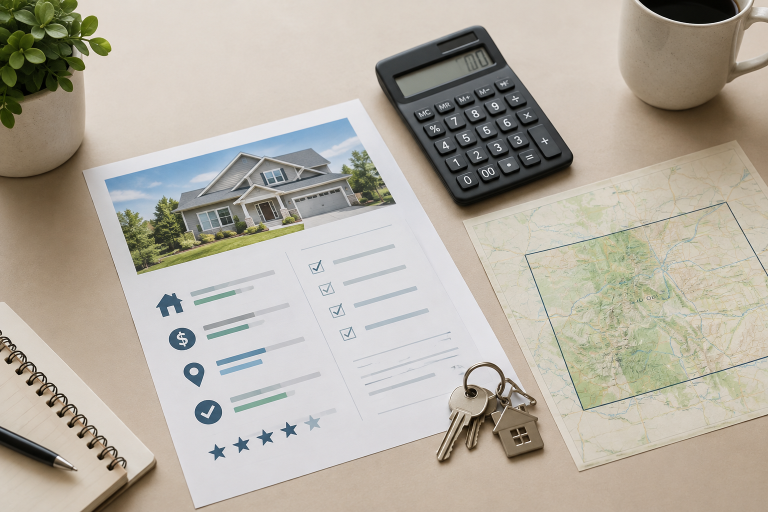
When several homes are in contention, use a simple scorecard to prevent any single striking feature from controlling the decision. Rate each category from one to five, then add a short note explaining the score.
- Location and commute
- Full monthly ownership cost
- Layout and daily function
- Condition and likely repair needs
- Outdoor space, privacy, storage, and parking
- Insurance and environmental considerations
- Future flexibility and potential resale appeal
Questions To Ask Before Making an Offer
- What will the complete monthly cost be after taxes, insurance, utilities, and fees?
- Which repairs or updates may be needed in the next few years?
- Does this location work during a normal workweek, not just during a showing?
- Which features are permanent, and which can be changed later?
- Can this home adapt to likely lifestyle changes?
- Does the price reflect the home’s condition and relevant comparable sales?
- What issue would make you walk away?
Choose the Home That Supports the Full Picture
The right Boulder-area home is not always the newest, largest, or most dramatic property. It is the one that fits your routines, keeps ownership costs manageable, works in its location, and gives you room to adapt. Slow the process down, visit thoughtfully, compare the full picture, and make the decision with both practical facts and personal priorities in view.