

Shreveport summers can bring long stretches of heat and humidity, so a dependable air conditioning system is an important part of everyday home comfort. Preparing before the hottest days arrive can help homeowners identify airflow problems, reduce avoidable strain on equipment, and make rooms feel more manageable during peak heat.
Cooling preparation is not limited to the outdoor unit. Window coverings, filters, thermostat settings, duct condition, and household routines all influence how hard a system must work. A practical seasonal review helps separate simple homeowner tasks from issues that need a qualified technician.
Why Summer Preparation Matters
The National Weather Service notes that Shreveport’s summer months are consistently hot and humid, conditions that can keep a cooling system running longer. When equipment already has restricted airflow, drainage trouble, or an electrical concern, extended operation can make those issues more noticeable.
A pre-summer check gives homeowners time to address comfort concerns before a heat wave. It is also useful to think about year-round equipment needs, since the same home may need reliable heating during the area’s occasional cold spells.
Simple Home Checks To Complete First
Start with a room-by-room walkthrough. Confirm that supply vents and return grilles are open and not covered by furniture, rugs, curtains, or storage. Check whether the thermostat is set to cooling mode and whether its displayed temperature seems reasonable for the room.
- Look for obvious gaps around exterior doors and windows.
- Note rooms that are consistently warmer than the rest of the house.
- Inspect visible ductwork for loose connections, damage, or wet spots.
- Make sure the attic access panel closes securely.
- Check for leaves, grass clippings, and stored items around the outdoor unit.
An Air Conditioner Maintenance Checklist
Tasks Homeowners Can Handle Safely
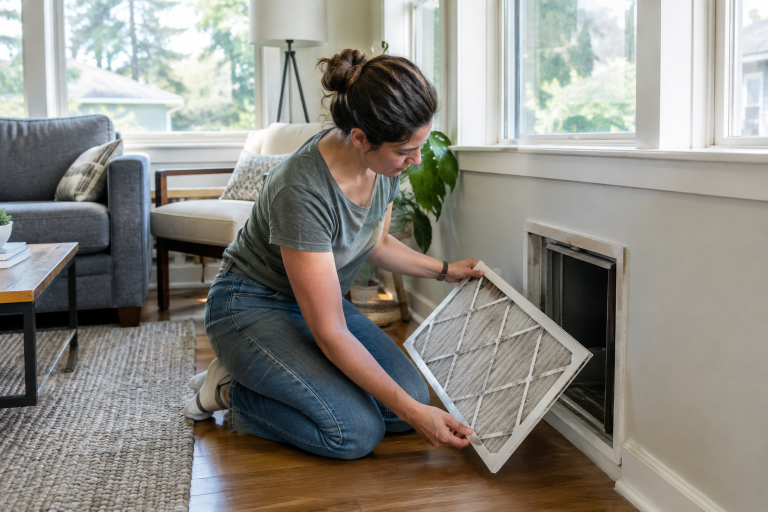
- Replace or clean the filter according to the filter and equipment manufacturer’s instructions.
- Remove loose debris from around the outdoor equipment without opening it.
- Vacuum or wipe dust from accessible return grilles.
- Run the system before the first severe hot spell and listen for unusual changes.
Tasks Better Left to a Qualified Technician
Professional service can include inspecting electrical connections, checking drainage, evaluating airflow, cleaning coils when appropriate, and diagnosing refrigerant-related performance problems. Homeowners should not open electrical panels, handle refrigerant, or try to repair pressurized components.
Ways To Reduce Cooling Strain
Small changes can reduce indoor heat gain and improve comfort without major remodeling. Close blinds or curtains on sunny windows, particularly in the afternoon. Use kitchen and bathroom exhaust fans after cooking or bathing, and delay heat-producing chores when practical.
Keep the thermostat at a steady, comfortable setting rather than making large repeated adjustments. Ceiling fans can improve how a room feels by circulating air around occupants, but they should be turned off when no one is using the room. Sealing obvious air leaks and keeping interior doors positioned for good airflow can also help.
Warning Signs That Need Attention
Some cooling changes deserve prompt attention, especially when outdoor temperatures are high. Watch for warm air from vents, weak airflow, uneven room temperatures, frequent starts and stops, or run times that do not bring the home close to the thermostat setting.
- Water near indoor equipment or a repeatedly clogged drain line.
- Ice on visible refrigerant lines or coils.
- New rattling, buzzing, squealing, or grinding noises.
- Musty or burning odors.
- Repeated breaker trips or visible damaged wiring.
Turn the system off and seek qualified help for burning smells, electrical concerns, major leaks, or recurring breaker trips. Continuing to run equipment under those conditions can cause further damage or pose a safety risk.
Cooling and Indoor Air Quality
Air filters help capture particles as air moves through the system, but filtration alone does not solve every indoor air concern. High indoor humidity can make a home feel warmer, while water issues, poor drainage, and persistent dampness may contribute to musty odors.
Regular dust control, filter changes, moisture management, and ventilation when outdoor conditions allow can support a more comfortable indoor environment. During periods of extreme heat, the Environmental Protection Agency recommends that households cover windows that receive morning and afternoon sun with shades to limit the rise in indoor temperatures.
Should You Repair or Replace the System?
Repair may be sensible when the problem is isolated, the equipment has otherwise been dependable, and replacement parts remain available. Replacement may be worth comparing when repairs become frequent, comfort remains uneven after basic fixes, or a major component fails.
Before deciding, request a written explanation of the problem, compare total repair and replacement costs, ask whether the system is properly sized for the home, and review available warranty terms. A careful comparison is more useful than choosing based only on age or a single symptom.
What To Do During a Heat Wave
Test cooling early in the day, keep windows and exterior doors closed while the system operates, and close shades in direct sun. Keep drinking water available and check on infants, older adults, pets, and anyone with health conditions that can make heat more dangerous regularly.
If cooling stops and indoor temperatures become unsafe, move to an air-conditioned location if possible and arrange service promptly. A backup plan is especially important during a power outage, because fans move air but do not lower the air temperature.
Common Questions About Summer Cooling
How often should an air filter be changed?
The correct interval depends on the filter type, pets, household activity, construction dust, and manufacturer instructions. Inspecting it regularly is more reliable than following a one-size-fits-all schedule.
Why is one room hotter than the others?
Blocked vents, solar heat, insulation gaps, duct leakage, and airflow imbalances can all contribute. Start with accessible checks, then seek an evaluation if the problem continues.
Can a dirty filter make an air conditioner freeze?
Restricted airflow can contribute to icing, but coil freezing can also involve issues with the blower, ductwork, or refrigerant. Avoid repeatedly restarting a frozen system without determining the cause.
Final Thoughts
Reliable summer comfort in Shreveport begins with clean airflow, sensible thermostat use, shaded windows, and early attention to warning signs. Homeowner care can address basic upkeep, while trained service is appropriate for electrical, drainage, refrigerant, and performance concerns that require specialized tools or diagnosis.