
Key Takeaways
- Warm, wet weather can create better conditions for mosquitoes, ants, flies, and other pests.
- Standing water around a home deserves prompt attention after rain.
- Cooler fall temperatures can push rodents and other pests toward sheltered indoor areas.
- Moisture control, food storage, and sealing entry points can reduce pest pressure.
- Stinging insect nests, recurring rodent activity, and widespread pest sightings may require professional help.
Table of Contents
- Why Weather Affects Pest Activity
- How Rain Increases Mosquito Problems
- Why Warm Weather Brings More Insects
- What Happens When Chicago Moves Into Fall
- A Post-Storm Home Pest Checklist
- Simple Ways to Reduce Pest Pressure
- When to Call a Pest Professional
- Final Thoughts
Chicago weather can turn quickly, and so can pest activity. A stretch of warm rain may create breeding sites for mosquitoes around a yard, while a cool night can encourage mice and other pests to seek protected spaces near the home. For persistent concerns, Pointe Pest Control offers homeowners access to a family-operated provider with residential pest, rodent, and mosquito services for Chicagoland, Illinois, and Indiana communities. Homeowners seeking pest control in Chicago can explore professional options for addressing seasonal and recurring pest concerns.
The goal is not to make a home completely invisible to every insect or animal outdoors. It is to reduce the moisture, food, shelter, and openings that make a property more appealing to pests. A practical seasonal routine can help Chicago-area homeowners spot small changes before they become repeated indoor sightings, bites, nesting activity, or damage.
Why Weather Affects Pest Activity
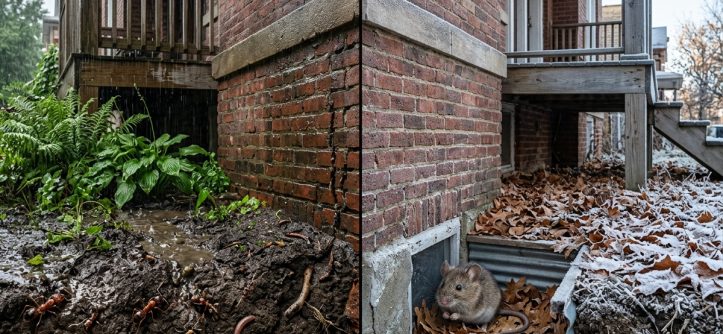
Temperature, moisture, food, and shelter all influence where pests spend their time. In Chicago, a storm can soak foundation soil, fill containers, and send insects under decks or into garages. A later temperature drop can make the protected areas around basements, wall voids, attics, and storage spaces more attractive to pests seeking stable conditions.
Weather does not affect every pest in the same way. Rain can create mosquito breeding habitat, but a downpour may also drive ants, spiders, and other insects toward drier cover. Pointe Pest Control can help homeowners evaluate recurring pest concerns and identify conditions that may be contributing to activity. The important takeaway is to inspect the property after conditions change, especially where water collects or exterior materials have shifted.
How Rain Increases Mosquito Problems
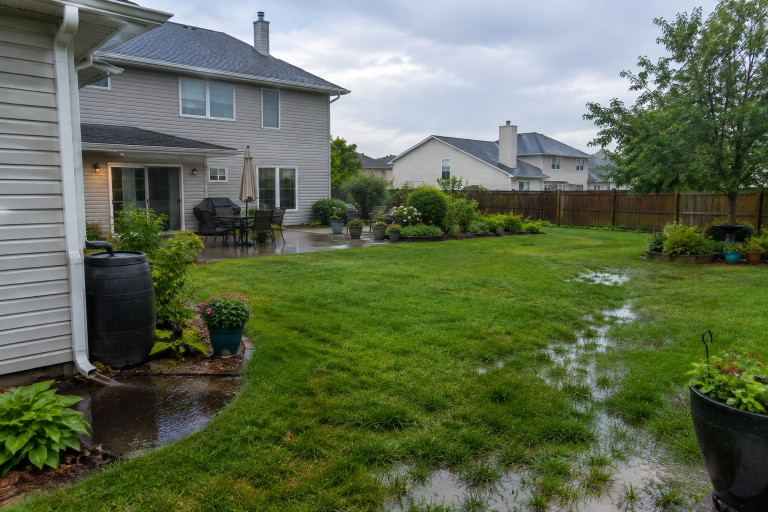
After warm rain, mosquitoes can become more noticeable because they need water for their early life stages. Flowerpot saucers, toys, tarps, buckets, clogged gutters, birdbaths, old tires, and low spots in a yard can all hold enough water to matter. Mosquito guidance from Illinois Extension on managing mosquitoes at home emphasizes removing or draining water sources and refreshing birdbath water regularly.
When mosquito activity keeps returning despite cleanup efforts, a local pest control provider can be a useful option for homeowners who need help evaluating recurring outdoor pest pressure and building a more comprehensive prevention plan.
Ways to Limit Mosquito Exposure
- Empty, scrub, cover, or turn over water-holding containers at least once each week.
- Clear leaves and debris from gutters, downspouts, and yard drains.
- Keep rain barrels tightly covered or screened.
- Repair torn window and door screens before mosquito season is at its peak.
- Use an EPA-registered repellent according to its label, and consider long sleeves and pants when spending time outdoors.
Why Warm Weather Brings More Insects
Summer warmth supports more visible insect activity around patios, grills, gardens, alleys, and trash areas. Ants may forage around spills and pet bowls. Flies are drawn to food waste and ripe fruit. Wasps and yellowjackets may investigate sweet drinks, open cans, garbage, and outdoor meals, particularly later in the season when colonies are well established.
Do not swat at yellowjackets or attempt to block an active nest entrance. Instead, keep people and pets away from the area, move calmly indoors if insects are actively flying nearby, and avoid mowing or trimming directly around suspected ground nests. A nest in a wall, roofline, play area, or high-traffic entryway deserves extra caution.
What Happens When Chicago Moves Into Fall
As the weather in Chicago shifts from late summer to fall, outdoor pests like rodents, spiders, and stink bugs become more noticeable. Rodents look for warmth and food, while spiders may appear near windows and lights. Though occasional indoor pests aren’t necessarily a sign of infestation, multiple sightings or signs such as droppings, chewed materials, and unusual odors warrant further inspection, with attention to conditions that might be encouraging pest activity.
A Post-Storm Home Pest Checklist
- Walk the yard and dump standing water from containers, tarps, toys, and planters.
- Check gutters, downspouts, window wells, drains, and low areas near the foundation.
- Look over door sweeps, screens, vents, garage seals, and gaps around utility lines.
- Inspect for loose siding, damaged flashing, or cracks that may create protected entry routes.
- Move leaf piles, firewood, and stored materials away from the foundation when possible.
- Check basements, crawl spaces, and utility rooms for dampness, leaks, or condensation.
- Store birdseed, pantry items, and pet food in sealed containers.
- Keep outdoor trash lids closed and rinse sticky recyclables before placing them outside.
Simple Ways to Reduce Pest Pressure
Control Moisture
Fix dripping outdoor faucets, plumbing leaks, and damaged hoses. Use a dehumidifier in a persistently damp basement, and make sure downspouts direct water away from the foundation. Moisture management helps make hidden areas less inviting to pests that prefer damp or humid conditions.
Close Entry Points
Replace torn screens, add door sweeps where light shows below exterior doors, and seal gaps in the appropriate exterior surface. Trim branches and dense shrubs away from walls and roof edges to reduce pests’ concealed pathways toward the structure.
Manage Food and Yard Debris
Clean spills promptly, pick up fallen fruit, keep grills free of residue, and avoid leaving pet food outside. Leaves, mulch, and clutter pressed against the home can hold moisture and create hiding places, so leave a clear inspection zone around the foundation whenever practical.
When to Call a Pest Professional
Professional help is advised for pest issues that persist after basic prevention, affect multiple rooms, damage materials, or pose safety risks. Urgent assistance is needed for yellowjacket nests near people, suspected rodent nests inside walls, and recurring mosquito problems. Prior to scheduling service, document observations about the pest, its location, timing, and any moisture or food sources. Inquire about pest identification, attraction conditions, home preparation, and follow-up prevention measures.
Final Thoughts
Weather shifts are part of life around Chicago, but pest problems do not have to follow every storm or cold front indoors. Remove standing water after rain, watch for damp areas, protect food sources, and inspect exterior openings as the seasons change. Consistent, small maintenance steps can make a home less welcoming to pests and make new activity easier to catch early.