Key Takeaways
- Compare total ownership costs, not just the asking price.
- Evaluate roads, driveways, snow removal, parking, and emergency access.
- Review water, septic, heat, power, internet, and drainage systems carefully.
- Get an insurance quote and assess wildfire exposure early.
- Consider how the home will work during every season, not only during a showing.
- Verify rental rules, neighborhood restrictions, and permitted property uses.
Buying a mountain home is about much more than finding a beautiful view. A property that feels perfect on a sunny afternoon may be difficult to heat, maintain, insure, or access after a winter storm. Buyers should look beyond finishes and square footage to understand how a home will perform in real life.
For buyers comparing properties across Grand County, Winter Park real estate agent Laura Zietz provides local guidance on Winter Park, Granby, and Grand Lake. Laura Zietz’s website includes home-search tools, neighborhood information, valuation resources, and buyer and seller guidance, which can be useful when comparing distinct mountain communities, road conditions, and property types.
Why Mountain Home Shopping Requires a Different Checklist
Mountain properties often have unique conditions that suburban buyers rarely face, such as steep lots, private roads, variable weather, limited utility options, snow loads, wildfire risks, and seasonal access, all of which impact comfort and resale value. The ideal home should be both attractive and practical for your lifestyle. While market headlines offer helpful context, they shouldn’t substitute detailed research at the property level.
Step One: Define How You Will Use the Home
Start with the role the property needs to play. A weekend cabin, remote-work base, retirement home, and short-term rental can have very different requirements. Write down your priorities before touring homes so a dramatic view does not distract from an essential need.
- Will this be a primary residence, second home, or future retirement property?
- How many months each year will the home be occupied?
- Will children, guests, pets, or older relatives use it?
- Do you need dependable high-speed internet for remote work?
- Will rental income be part of the financial plan?
- Can the home sit vacant safely during freezing weather?
Step Two: Compare Location Beyond the View
A scenic setting may still be inconvenient for everyday living. Compare travel time to groceries, medical care, schools, restaurants, ski areas, trails, and the airport. Check mobile service at home, not only in town, and visit at different times of day if possible. A quiet street in summer can feel very different on a busy ski weekend.
Also consider long-term resale appeal. Easy access, usable parking, proximity to recreation, and a location that works in every season may matter to future buyers as much as a panoramic view.
Step Three: Inspect Roads, Driveways, and Winter Access
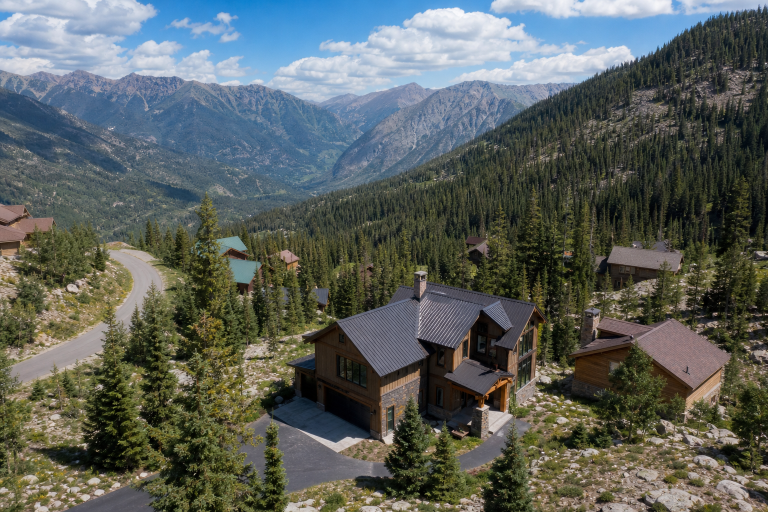
Road access deserves early attention. A steep driveway, narrow turn, or private road can add recurring costs and daily stress. Ask who maintains the road, whether snow removal is included in association dues, and whether emergency vehicles, propane trucks, septic providers, and delivery drivers can reach the property.
- Is the driveway safely graded and plowable?
- Where will plowed snow be stored?
- Is there room for vehicles to turn around?
- Are road and access agreements recorded?
- Does winter parking require a four-wheel-drive vehicle?
Step Four: Review Utilities and Major Systems
Mountain homes may use private wells, septic systems, propane tanks, wood stoves, generators, or satellite internet. Request records for each major system, including permits, service history, water tests, septic inspections, and recent utility bills. These documents can reveal costs and maintenance needs that are not obvious during a showing.
Pay special attention to drainage, culverts, crawlspaces, sump pumps, water filtration, backup power, and heating equipment. A reliable system with clear records is usually more valuable than a newer-looking feature with an unknown history.
Step Five: Focus on Structure Before Finishes
Mountain weather can be demanding on roofs, siding, windows, decks, foundations, and retaining walls. Ask about roof age, flashing, gutters, snow-shedding design, ice dams, frozen pipes, and prior storm damage. Look for water stains, soft decking, damp crawlspaces, erosion, standing water, or gaps around windows and doors.
Durable materials, thoughtful site design, quality windows, and strong weather protection can make a meaningful difference in year-round comfort.
Step Six: Review Wildfire, Snow, and Insurance Early
Request an insurance quote before removing important contingencies. Some properties may have higher premiums, larger deductibles, limited coverage options, or defensible-space requirements. Confirm whether the insurer can provide adequate replacement coverage for the home, outbuildings, and personal property.
Ask whether the roof meets insurer standards, whether vegetation management is needed, and whether a seasonal vacancy affects the policy. If insurance is unusually expensive or difficult to obtain, it can materially affect the home’s affordability.
Step Seven: Calculate the Full Cost of Ownership
The purchase price is only the beginning. Build a realistic annual budget that includes mortgage payments, taxes, insurance, heating, electricity, propane, snow removal, road maintenance, septic service, well maintenance, exterior repairs, association dues, and property management if the home will sit empty.
Create three versions of the budget: a low-cost year, an expected year, and a repair-heavy year. This approach helps show whether the property remains comfortable to own when rental income is lower than expected or a major system needs work.
Step Eight: Confirm Rules, Rentals, and Property Use
Review zoning, homeowners association documents, parking rules, guest limits, exterior restrictions, and short-term rental regulations before making an offer. Confirm facts through official records rather than verbal assurances. A property should be valued based on its permitted use, not an assumed future use.
Use a Simple Home Comparison Scorecard
After each showing, score the home from one to five in these categories:
- Location and year-round access
- Condition and maintenance needs
- Utility reliability and internet service
- Insurance availability and wildfire exposure
- Privacy, outdoor space, and parking
- Neighborhood rules and rental flexibility
- Total annual ownership cost
- Resale appeal
Conclusion
The best mountain home is not simply the one with the best photos. It is the one that fits your lifestyle, budget, access needs, and long-term plans through every season. By comparing roads, systems, insurance, maintenance, rules, and total costs alongside the view, buyers can make a more confident decision in 2026.